
Boulder is often associated with serious hiking, climbing, and cycling, but experiencing the city with children does not require turning every outing into an endurance event. Some of Boulder's most useful family activities are much simpler: a playground beside a multi-use path, a short walk around a lake, a naturalist-led program, a few pedestrian blocks downtown, or an indoor museum stop when Colorado weather changes the plan.
If you are visiting Boulder with children, or considering a move and trying to understand what everyday recreation would actually look like, the useful question is not simply, "What is there to do?" It is which activities work for your children's ages, mobility needs, schedule, and tolerance for elevation and weather.
The options below combine City of Boulder parks, Open Space and Mountain Parks lands, Boulder County programs, Pearl Street, libraries, and educational attractions, with notes for people evaluating Boulder as a place to live.
1. Start With Boulder's Parks and Playgrounds
The easiest introduction to everyday recreation in Boulder is often a city park rather than a mountain trail. Boulder Parks and Recreation maintains facilities across the city, and its online directory lets visitors filter locations by features such as playgrounds, restrooms, picnic areas, multi-use paths, natural lands, water access, and accessibility features.
Scott Carpenter Park at 1505 30th Street is one of the more activity-dense options. The city lists a playground, picnic areas, restrooms, open turf, multi-use paths and fields, along with the adjacent pool and skate park. Its playground incorporates space-themed and nature-play elements. Pool operations and admission are separate from simply using the park, so check current Parks and Recreation information before planning a swimming day.
In North Boulder, Foothills Community Park covers substantially more ground. Amenities include playgrounds, picnic shelters, sports fields, multi-use paths, a dog park, courts, and connections toward Open Space and Mountain Parks trails. This makes it useful when different members of a group want different types of recreation in the same outing.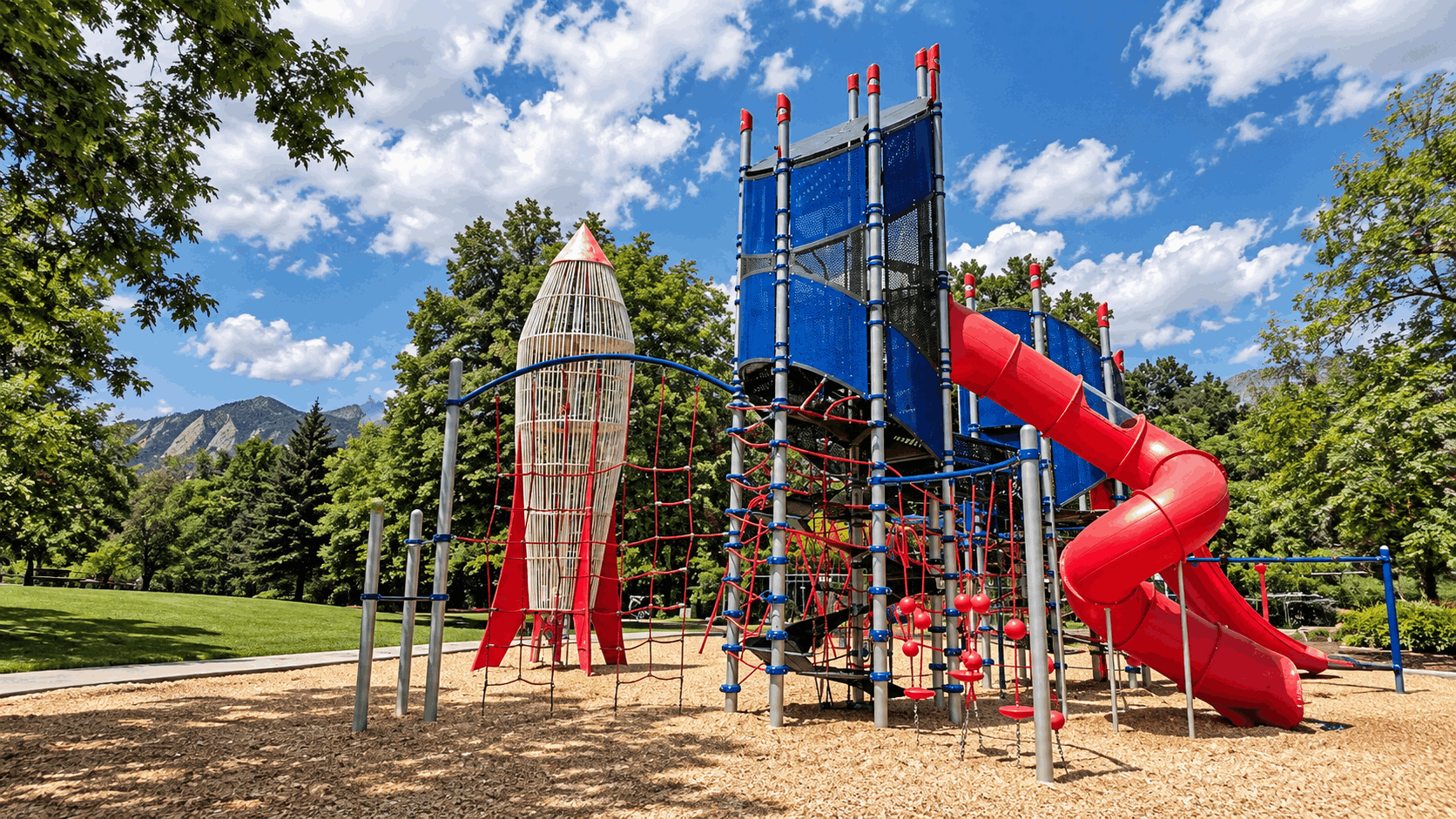
South Boulder has another useful combination at Harlow Platts Community Park. The city lists a playground, picnic shelter, Viele Lake, multi-use paths, natural lands, sports facilities, and a roughly 0.7-mile path around the lake.
For a downtown outing, Boulder Creek Park adds a playground and access to the Boulder Creek Path. It also sits near the Main Library and the Evert Pierson Kids' Fishing Pond, allowing several activities to be combined without driving from one side of town to another.
For someone considering a Boulder home, these parks also illustrate why "near a park" is too vague a search criterion. Two parks can offer very different combinations of playground equipment, restrooms, paths, water, sports facilities, and transit access. Compare the specific amenities you expect to use rather than relying on a neighborhood label.
2. Choose Shorter Nature Walks Before Committing to a Mountain Hike
Boulder has several relatively short, lower-elevation nature outings that can be more practical than the steep foothill trails visitors often associate with the city. The City's Open Space and Mountain Parks system encompasses more than 46,000 acres and over 155 miles of trails, but trail difficulty varies substantially.
Wonderland Lake is a particularly straightforward place to start. OSMP lists the Wonderland Lake trail at 1.10 miles, 93 feet of elevation gain, a width of at least six feet, and an "Easy/Medium" difficulty rating. The city also identifies it as mobility-friendly. Wetlands, prairie and lake habitat create plenty to look at without requiring a long climb.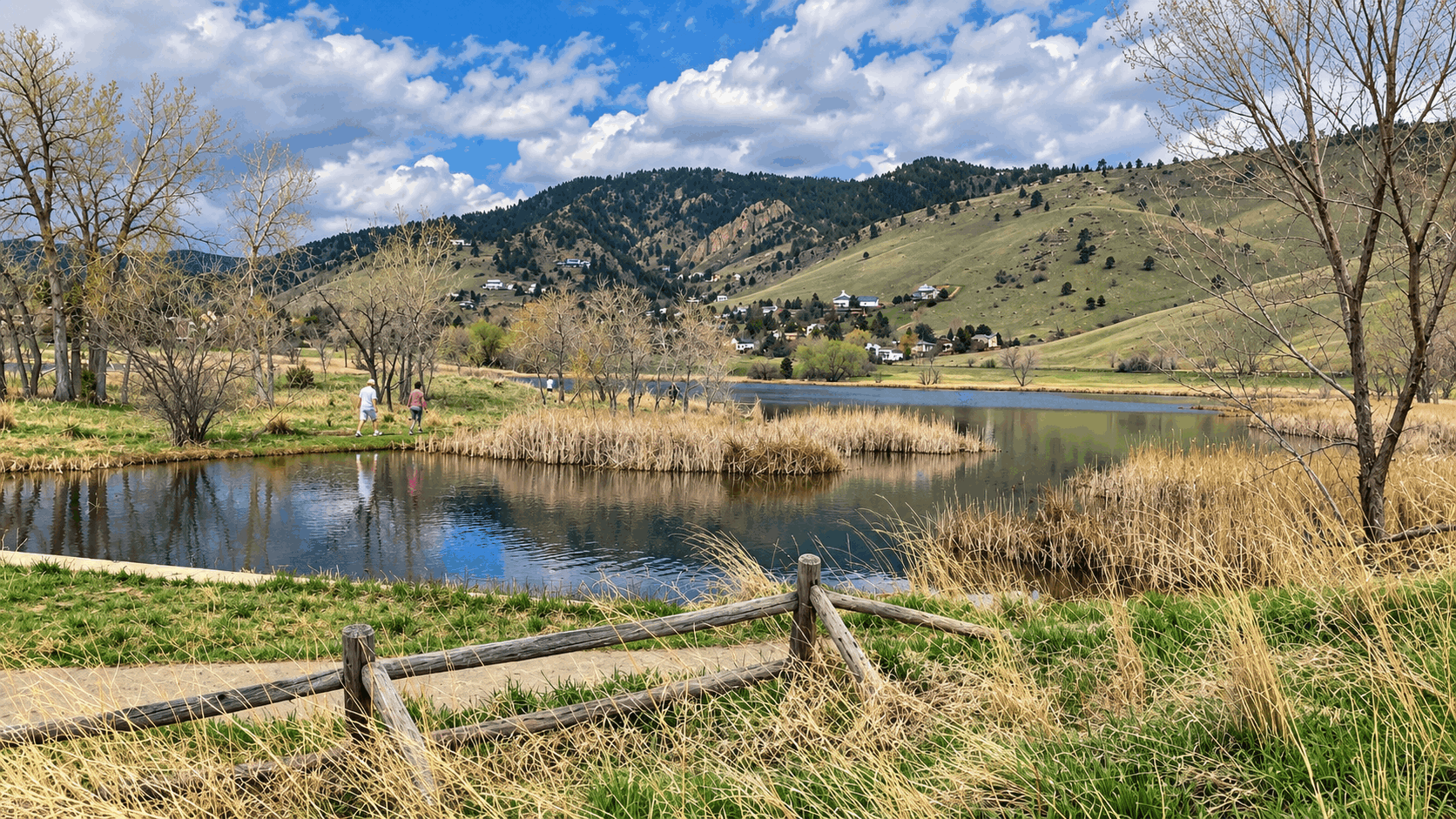
One logistical detail matters: the Wonderland Lake trailhead does not have restrooms. The City currently lists 19 standard parking spaces, two ADA spaces, and nearby SKIP bus service on Broadway.
Coot Lake is another manageable option. The city describes the route around the lake as approximately 1.2 miles and lists fishing, walking, natural areas and an art walk. Because it includes wetlands and wildlife habitat, visitors should stay aware of posted restrictions and seasonal conditions. The city also warns that algae blooms can occasionally make water contact unsafe for people or pets.
For an even more transportation-oriented trail experience, Cottonwood Trail is approximately 1.3 miles with about 60 feet of elevation gain. OSMP classifies it Easy/Medium and notes that the section south of the trailhead is hard surface and wheelchair accessible.
The Bobolink trailhead accesses the South Boulder Creek corridor, another relatively gentle area with creekside scenery and interpretive information. The South Boulder Creek Trail itself is rated Easy/Medium, but its complete 3.4-mile length may be more than a younger child wants to walk. Turning around early is often the more sensible plan.
"Easy" should never be interpreted as risk-free. Elevation, direct sun, ice, thunderstorms, muddy surfaces and rapidly changing trail conditions can alter the experience. Check OSMP closures and trail conditions before leaving, carry water, and select the outing for the least experienced member of the group.
3. Use Nature Programs and Museums for Hands-On Learning
Some of Boulder's strongest family activities are structured learning experiences rather than attractions you simply visit.
City of Boulder Open Space and Mountain Parks runs its Natural Selection Nature Programs, which the city describes as free and open to all. Topics and locations change throughout the year, and registration is required for some programs. OSMP also accepts requests for customized programs for groups such as scouts, homeschool organizations and community groups.
Boulder County Parks & Open Space expands the options beyond city boundaries. Its programming includes hikes, indoor programs, children's activities and the Nature Detectives Kids Club. The county's event calendar states that all ages are welcome unless a particular program says otherwise, while registration requirements vary.
For an indoor option, the University of Colorado Museum of Natural History offers family-oriented exhibits and programs built around museum specimens, fossils, science activities and art. Children can interact with selected fossils and learning materials in the galleries, while Family Days and other programs are offered during the year. The museum's current website advertises free admission, but visitors should verify current operating hours and any program-specific fees before going.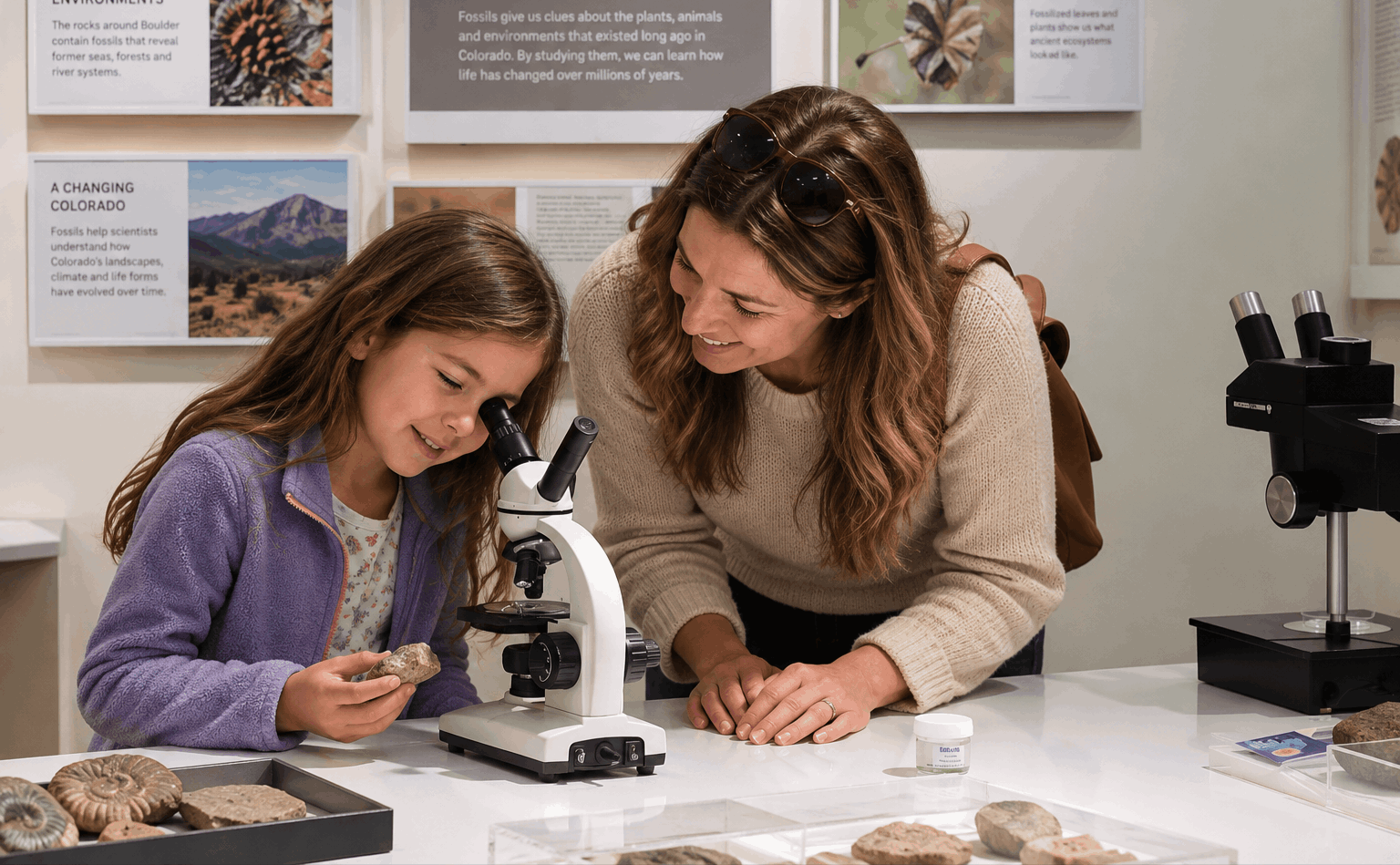
Boulder Public Library District provides another low-cost or free option. Its programming includes storytimes and children's events; as of September 2026, BPLD also lists a rotating Family Saturdays program at the Main Library's Canyon Theater. Program schedules change, so use the current library calendar rather than relying on an older event listing.
These resources matter to relocators for another reason: they show how Boulder recreation extends beyond private clubs or paid attractions. When comparing addresses, consider realistic access to libraries, recreation centers, parks, museums and open space based on the trips you would actually make.
4. Make Pearl Street Part of a Flexible Downtown Day
Pearl Street works well with children because the outing can be as short or as elaborate as you want it to be.
The official Pearl Street Mall comprises four pedestrian blocks from 11th Street to 15th Street. The City describes it as both a historic pedestrian mall and a city park. Its public-space features include seating, art, play areas and children's climbing sculptures. The formal pedestrian area crosses Broadway, 13th Street and 14th Street, but the street crossings themselves remain road intersections rather than fully pedestrianized space.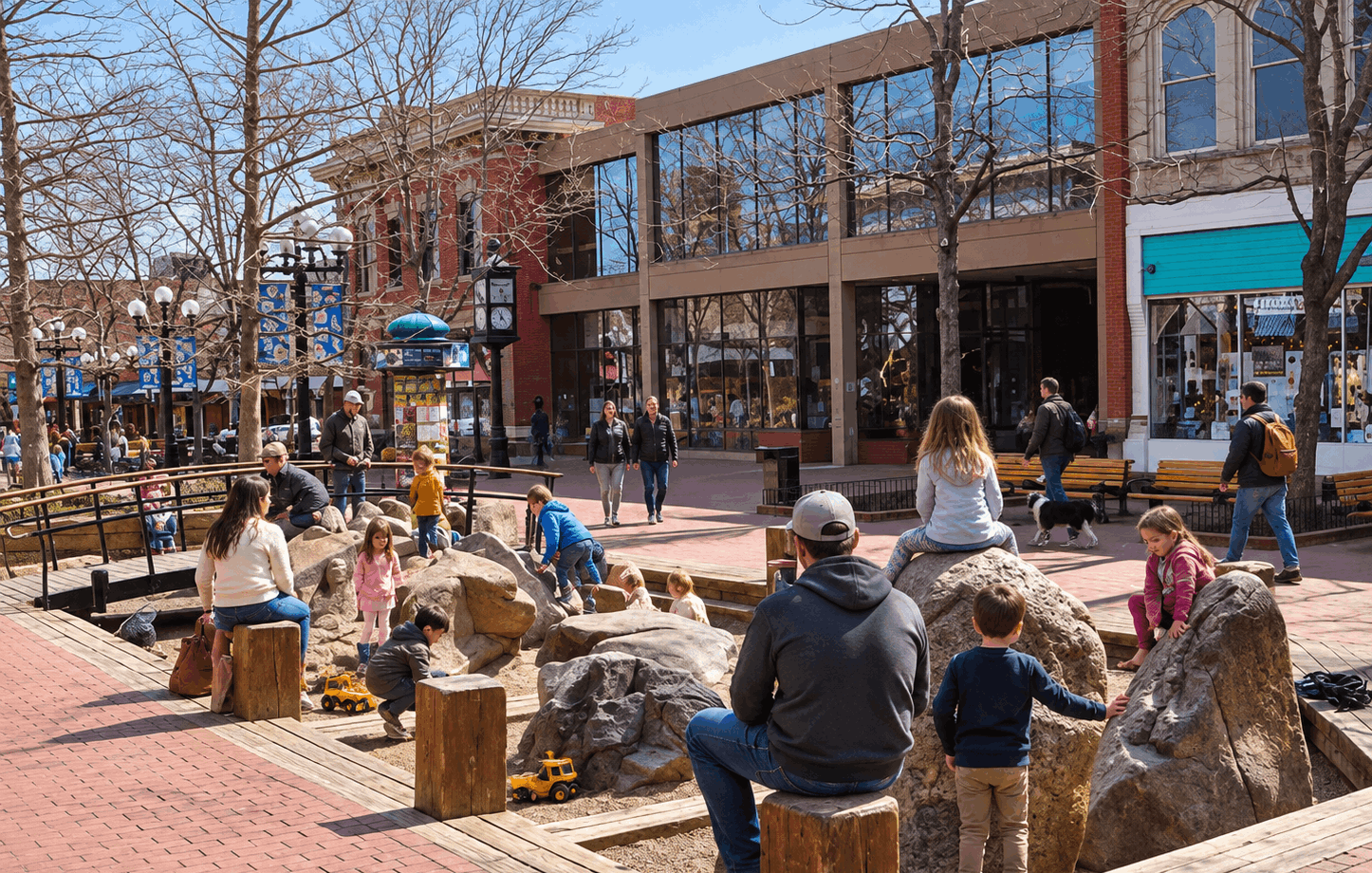
That distinction is useful with children: the central blocks eliminate normal through-traffic, but caregivers still need to pay attention when moving from one block to another across the intersections.
There is no need to plan Pearl Street around shopping. Children can watch street performers, explore the public art and climbing features, stop for a snack, or use the visit as part of a larger walking loop toward Boulder Creek Park and the Main Library.
The surrounding downtown blocks also matter. Restaurants and stores extend well beyond the four-block pedestrian mall, so families looking for food or a specific shop should verify the actual address rather than assuming everything described as being "on Pearl Street" is inside the pedestrian zone. The City notes that Pearl Street's commercial activity continues east and west from the mall.
The City is also working on the Pearl Street Mall Refresh project in preparation for the mall's 50th anniversary in 2027. Because maintenance and improvement work may evolve, check the project page for temporary impacts before publication or before a time-sensitive visit.
For a prospective home buyer, a Pearl Street visit can double as useful reconnaissance. Walk outward from the commercial blocks and observe how quickly housing types, traffic, parking, bike routes and pedestrian activity change. Downtown proximity can be convenient, but the practical value depends on the specific property and the trips you expect to make.
5. Check the Calendar for Seasonal and Kid-Friendly Events
Boulder's event calendar changes enough that the best strategy is to know which official calendars to check rather than rely on a permanent list of annual dates.
City Parks and Recreation, OSMP, Boulder County Parks & Open Space, Boulder Public Library District and CU Boulder all maintain separate calendars. That sounds fragmented, but it creates a substantial mix of guided walks, recreation programs, educational activities, films, seasonal celebrations and natural-history events.
For example, as of September 15, 2026, the City Parks and Recreation calendar lists an Autumn Stroll and Scoop family guided walk at North Boulder Park for September 26. The City's event calendar also lists Halloween Drive-In Movies at Boulder Reservoir on October 16 and October 23, 2026. These are current examples, not permanent dates for future years.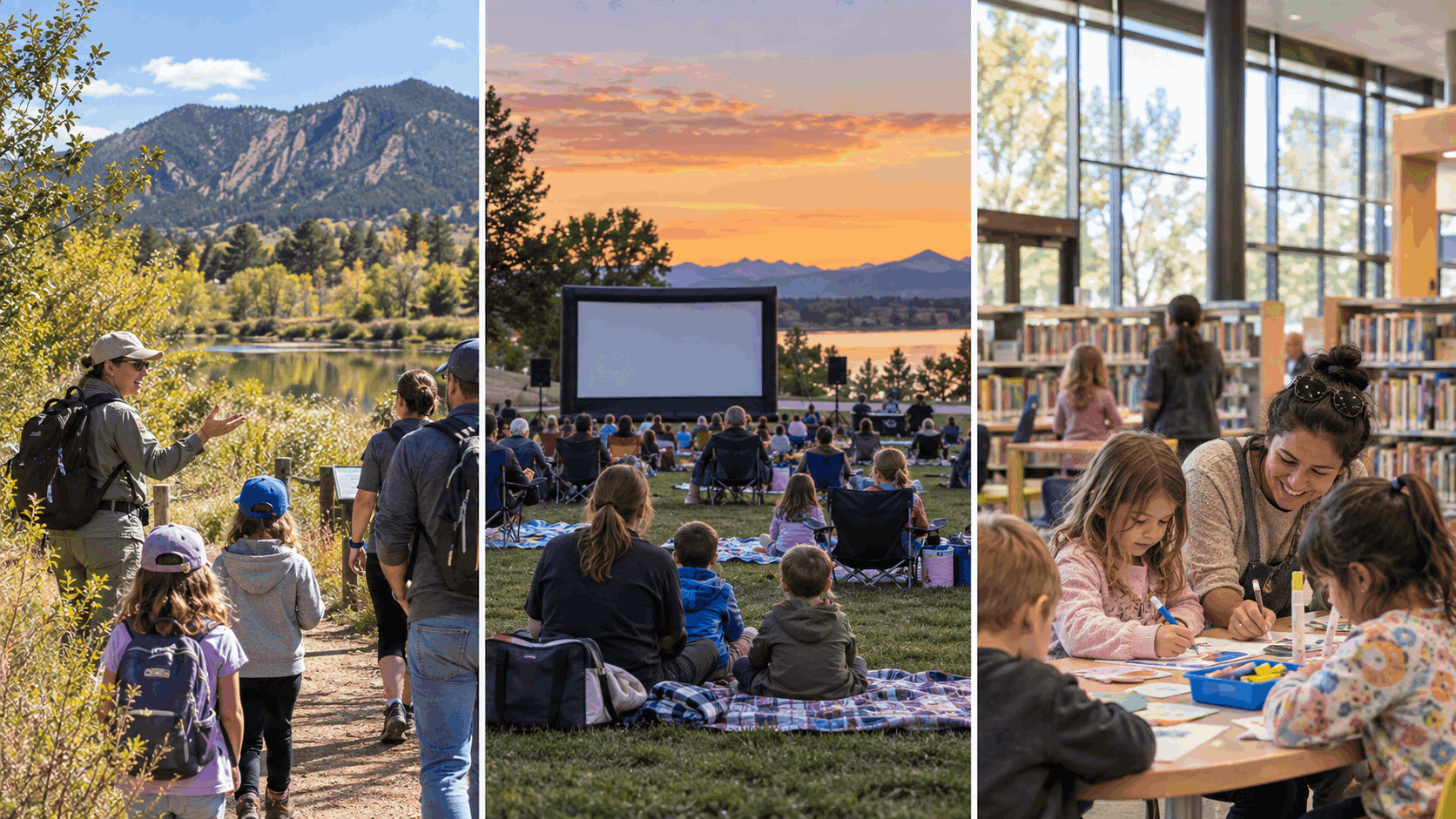
Boulder County's open-space calendar similarly includes children's programs, group hikes and educational events. Registration for many county programs opens on the 20th of the preceding month, according to the County's current calendar guidance.
During summer, families should also look for temporary recreation schedules, reading programs, outdoor performances and shuttle operations. For example, the City's 2026 Park-to-Park Chautauqua shuttle ran on summer weekends and holidays from May 23 through September 7. That season has now ended, and the schedule should not be assumed to be identical in 2027.
A good planning habit is to check calendars a few days before an outing and again the morning of an outdoor event. Weather, wildfire precautions, maintenance, trail conditions and registration limits can all change the plan.
6. If You Are Moving to Boulder, Evaluate Access From the Actual Property
The useful real-estate question is not which Boulder neighborhood is "best for families." It is which property gives you practical access to the specific amenities your household expects to use.
Boulder varies block by block. A home may be near open space but require crossing a major road to reach it. Another may be close to a playground but farther from a grocery store or bus line. A downtown condominium may offer straightforward walking access to Pearl Street and Boulder Creek while providing very different storage, parking and outdoor-space characteristics than a detached home elsewhere in the city.
For each property you are seriously considering, test the lifestyle rather than estimating it from a map:
- Measure the actual walking or biking route to the park or trail, not straight-line distance.
- Check whether the route includes sidewalks, multi-use paths, major crossings or steep grades.
- Confirm which amenities the nearest park actually provides.
- Visit at different times when feasible to understand traffic, parking and activity levels.
- Check trail regulations, seasonal closures and transit service for places you expect to use frequently.
- Independently verify the property's school assignment with Boulder Valley School District rather than relying on a listing description. BVSD provides an address-based school-finder resource and recommends contacting its enrollment department when an address is close to a boundary.
- Review property-specific zoning, permits, HOA documents where applicable, insurance considerations and hazard information before purchasing. The City of Boulder maintains address-based property records and floodplain mapping, but those tools do not replace professional due diligence.
The same principle applies outside Boulder city limits. Louisville, Lafayette, Superior, Longmont, Erie, Niwot, Gunbarrel and other Boulder County communities have different park systems, trail connections, municipal services and housing choices. A "Boulder" mailing address also does not necessarily mean a property is governed by City of Boulder regulations.
If easy access to parks, trails, downtown activities, libraries or recreation programs is important to your move, Eric can help you compare specific Boulder-area properties using those practical criteria alongside housing type, condition, price and other real-estate considerations. Online guides are a starting point; they cannot replace reviewing the actual property, inspection findings, permits, HOA documents, school boundaries, insurance options and contract terms before making a decision.
FROM OUR BLOG


Boulder Without a Car: Walkable, Bikeable, and Transit-Friendly Things to Do
If you are considering Boulder without a car, the useful question is not simply, “Is Boulder walkable?” It is whether the places you actually use can be connected comfortably by walking, biking, and transit from a specific address. Boulder gives car-free and car-light residents more infrastructure t

Best Places to Stay in Boulder by Travel Style
Choosing where to stay in Boulder is less about finding one universally “best” hotel and more about matching your lodging to what you actually plan to do. A downtown stay makes it easier to walk to Pearl Street restaurants and shops. A cottage at Chautauqua puts hiking outside your door. A suite wit
Luxury Home Selling Guide for Boulder, Colorado
Selling a luxury home in Boulder is largely an exercise in reducing uncertainty around a property that may have few true comparables. A custom foothills residence, architect-designed city home, extensively renovated historic property, or large parcel in unincorporated Boulder County cannot always be