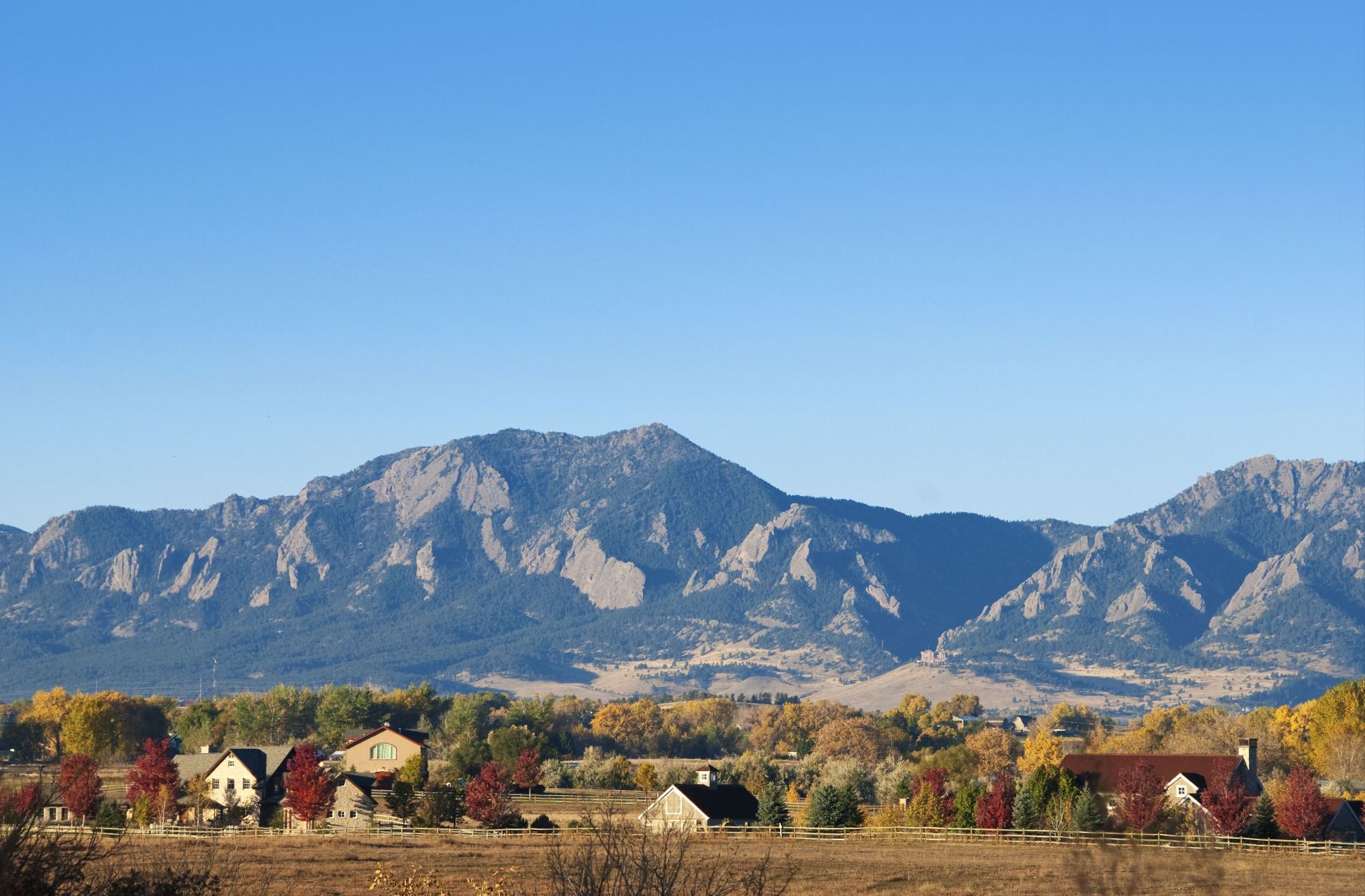
Boulder draws people for a mix of reasons: direct access to open space and the Flatirons, the energy of a university town built around the University of Colorado Boulder, a strong local economy anchored by tech and research institutions, and a real estate market that consistently ranks among the most competitive in the state. If you're relocating from out of state, moving from Denver, or simply comparing Boulder to nearby communities, it helps to understand how housing, lifestyle, and logistics actually work here before you commit.
This guide walks through what new residents typically want to know about moving to Boulder — from housing market conditions and neighborhood considerations to transportation, cost of living, and local rules around sustainability. Eric Farran, a Boulder-based real estate broker with Real Broker, LLC, works with buyers and sellers navigating exactly these questions every day.
If you are comparing Boulder neighborhoods or deciding whether to rent first or buy, Eric Farran can help you understand the local market before you make a move.
What Should You Know Before Moving to Boulder?

Boulder has a competitive, higher-priced housing market relative to most of Colorado, driven by limited land, strict growth-boundary policies, and strong long-term demand. Outdoor access — trails, open space, and mountain proximity — is one of the biggest lifestyle draws, but it also shapes home prices near trailheads and foothill areas. Parking, commuting, and transportation options vary significantly by neighborhood, so it's worth understanding a property's daily logistics before you buy. Boulder sits at 5,430 feet in elevation with a semi-arid climate, and some areas carry wildfire risk that's worth factoring into insurance and maintenance planning. New residents benefit from comparing neighborhoods carefully rather than assuming any one area is "the" Boulder experience — and working with a local real estate advisor like Eric Farran can help you sort through pricing, inventory, and neighborhood tradeoffs before making an offer.
Boulder at a Glance
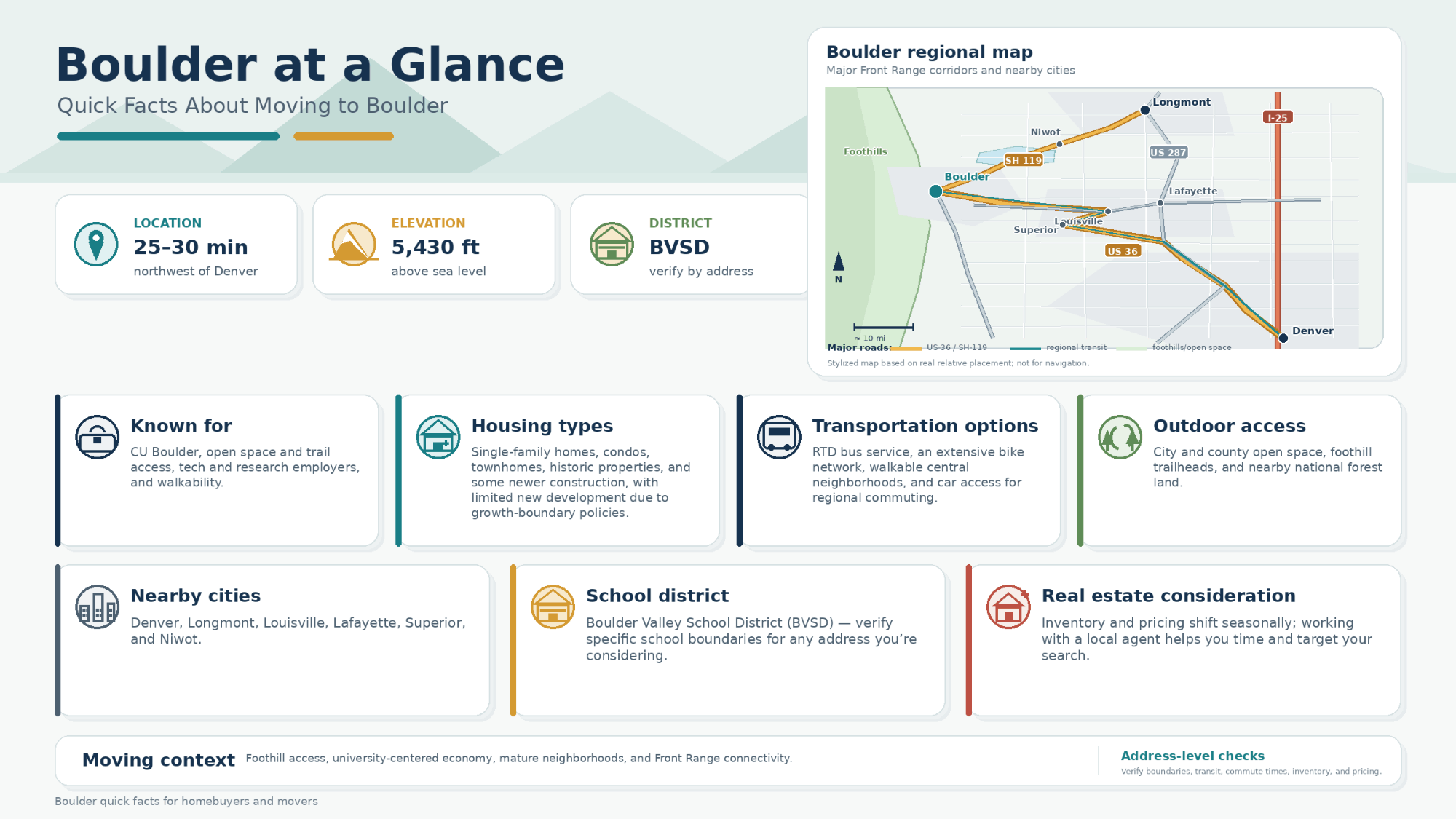
Quick Facts About Moving to Boulder
- Location: Boulder County, Colorado, roughly 25–30 minutes northwest of Denver
- Elevation: 5,430 feet above sea level
- Known for: CU Boulder, open space and trail access, tech and research employers, walkability
- Housing types: Single-family homes, condos, townhomes, historic properties, and some newer construction, with limited new development due to growth-boundary policies
- Transportation options: RTD bus service, an extensive bike network, walkable central neighborhoods, and car access for regional commuting
- Outdoor access: City and county open space, foothill trailheads, and nearby national forest land
- School district: Boulder Valley School District (BVSD) — verify specific school boundaries for any address you're considering
- Nearby cities: Denver, Longmont, Louisville, Lafayette, Superior, and Niwot
- Real estate consideration: Inventory and pricing shift seasonally; working with a local agent helps you time and target your search
Understanding the Boulder Real Estate Market
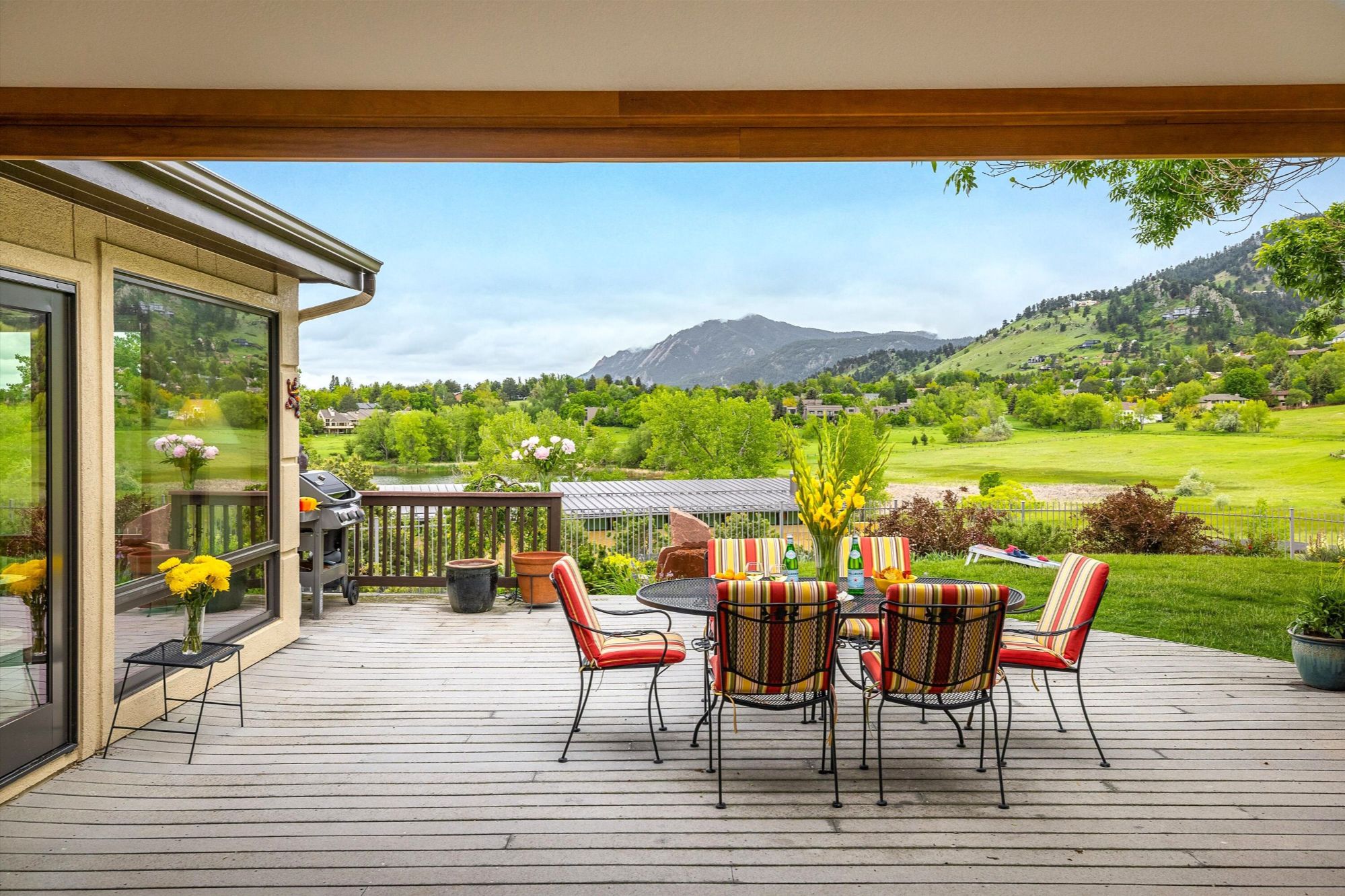
Boulder's housing market behaves differently than surrounding communities, largely because of the city's long-standing growth-boundary and open-space policies, which limit how much new housing can be built. That scarcity, combined with steady demand from CU Boulder, regional employers, and out-of-state buyers, keeps prices elevated compared to the rest of Boulder County and the Denver metro area.
As of spring 2026, Boulder's median home sale price has been trending in roughly the $830,000–$945,000 range depending on the data source and time frame, with some sources reporting a year-over-year decline in the median while price-per-square-foot has held closer to flat or ticked up slightly. Homes have generally been spending somewhere between 48 and 80 days on market, and Redfin has described the market as "somewhat competitive," with well-priced listings still drawing multiple offers. Because figures vary by source and update frequently, ask your agent for the most current MLS data before setting expectations.
Buyers typically compare several property types: single-family homes in established residential neighborhoods, condos and townhomes closer to downtown and CU Boulder, and a smaller pool of historic homes and newer construction. Some buyers also expand their search to nearby communities such as Louisville, Lafayette, Longmont, Superior, or Niwot, which offer more relative affordability while still keeping Boulder's amenities within reach.
Eric Farran can help you compare Boulder properties against nearby communities so you can decide where your budget, lifestyle, and long-term goals align.
Choosing the Right Boulder Neighborhood
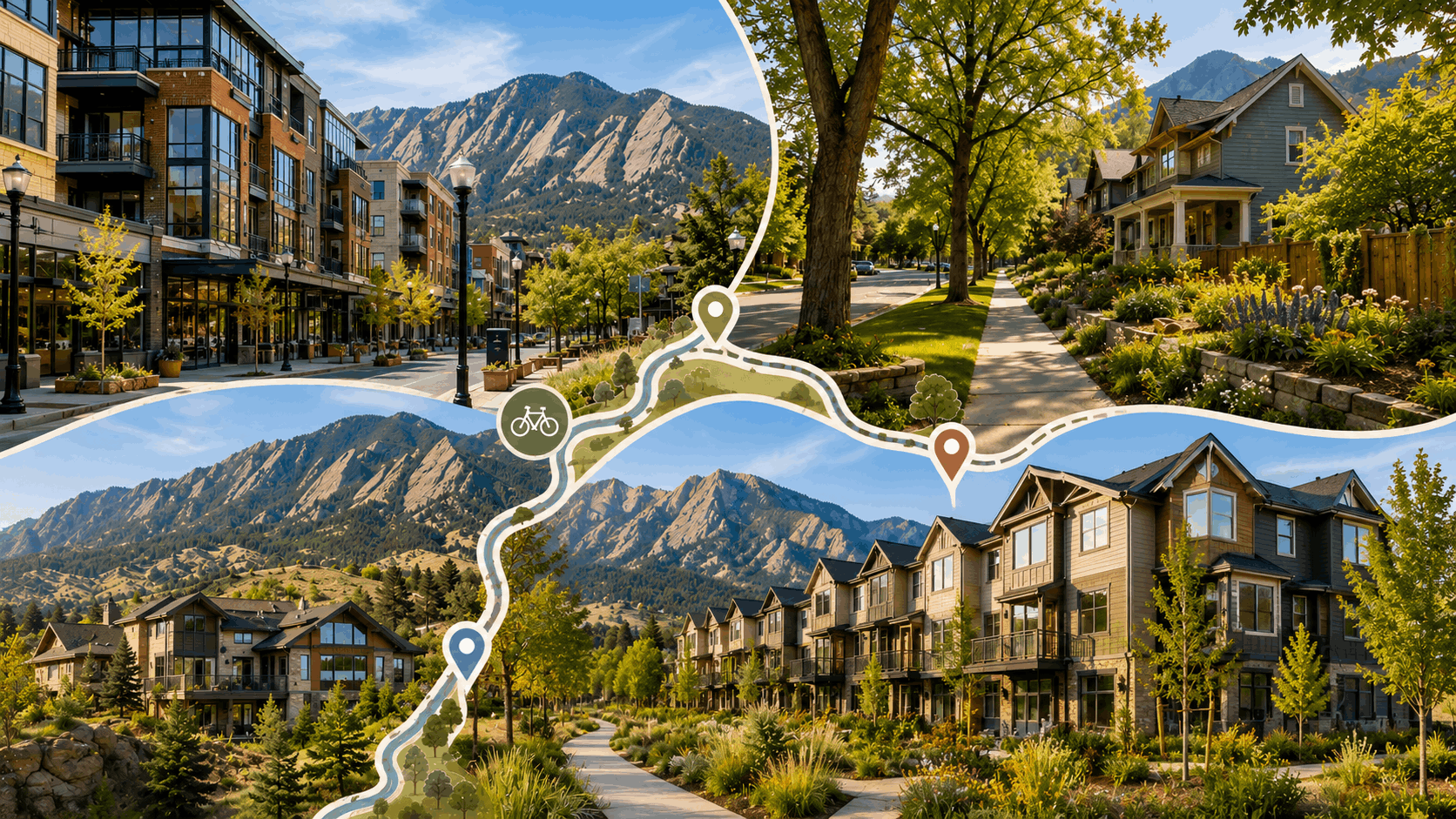
Rather than ranking neighborhoods as "best," it's more useful to compare them on the factors that actually affect daily life and long-term value:
- Proximity to trails and open space — some neighborhoods back directly onto trailheads; others require a short drive
- Access to Pearl Street, CU Boulder, downtown, and employment centers — commute times and walkability vary block by block
- Walkability and bike routes — Boulder's bike infrastructure is extensive, but connectivity differs by area
- Home age, lot size, and architectural style — from compact bungalows near downtown to larger foothill properties
- Parking and street access — some central neighborhoods use residential permit parking; others have ample off-street parking
- HOA considerations — condos, townhomes, and some planned communities carry HOA dues and rules worth reviewing upfront
- Noise, traffic, and event impacts — proximity to Pearl Street, CU Boulder's campus, or major corridors can mean more activity and seasonal event traffic
- Elevation, views, and wildfire considerations — foothill and west-Boulder properties often carry different insurance and mitigation requirements than flatter, more central neighborhoods
Working through these factors with a local agent — rather than relying on general reputation — is the most reliable way to match a neighborhood to your actual routine and budget.
Cost of Living in Boulder

Housing is typically the largest cost consideration for anyone relocating to Boulder, given the city's above-average home prices relative to the rest of Colorado. Beyond the purchase price, buyers should budget for property taxes, homeowners' insurance, utilities, ongoing maintenance, and — for condos, townhomes, or planned communities — HOA dues, which have been trending higher across Boulder County in recent years.
Homeowners insurance and wildfire risk are worth factoring in early, particularly for properties in foothill or west-Boulder locations; your lender or insurance agent can give you property-specific guidance. Boulder's lifestyle amenities — trails, dining, arts, and events — add real value for many residents, but it's worth budgeting realistically rather than stretching to the top of a pre-approval range. Getting a mortgage pre-approval early in your search, and asking your lender to walk through total monthly ownership costs (not just principal and interest), will give you a clearer picture before you start touring homes.
Getting Around Boulder

Boulder is known for being one of the more bikeable and walkable cities in Colorado, with an extensive network of bike paths, pedestrian routes, and trail connections woven through many neighborhoods. RTD provides bus service within Boulder and regional connections toward Denver, Longmont, and other parts of the metro area, which matters if you're commuting outside the city for work.
Parking rules vary by location — downtown and some central residential neighborhoods use permit parking systems, so it's worth checking a property's specific parking situation rather than assuming. Before choosing a property, it's worth thinking through your actual daily routine: Where do you work, and what does that commute look like by car versus transit versus bike? Do you need dedicated off-street parking? How often would you rely on RTD versus driving? These questions can meaningfully narrow your neighborhood search.
Outdoor Access Is a Major Part of Boulder Life

Boulder's open space program, trail network, and proximity to the Flatirons are central to why many people choose to live here — whether the draw is hiking, cycling, climbing, or simply having trailhead access nearby. New residents should take some time to learn trail etiquette, understand how quickly mountain weather can shift, and stay aware of wildlife in and around open space areas.
Homes located near trailheads or open space boundaries can carry different pricing, traffic patterns, insurance considerations, or maintenance needs compared to more central properties — foothill-adjacent homes, for example, may face different wildfire mitigation requirements. This outdoor access is also a real driver of demand: properties with direct trail or open-space proximity often see strong buyer interest, which is worth understanding whether you're buying or eventually selling.
Weather and Elevation: What New Residents Should Expect
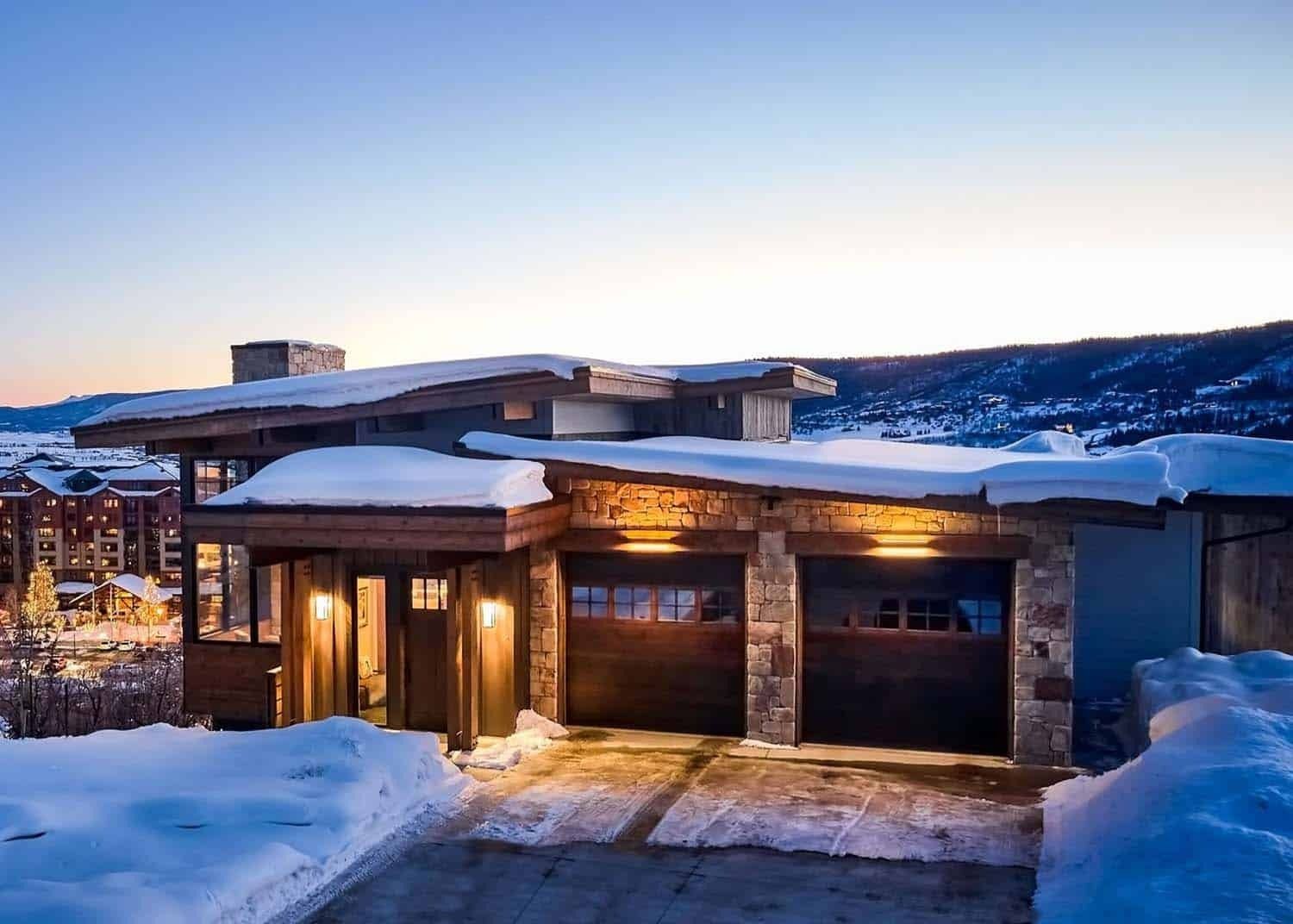
Boulder has four distinct seasons, roughly 300 sunny days a year, and a semi-arid climate with dry air and fast-changing weather patterns — it's not unusual for conditions to shift noticeably within a single day. New residents, especially those moving from lower elevations, may need some time to adjust to the altitude and dryness; if you have health questions related to elevation, it's worth checking with a physician.
On the homeownership side, elevation and climate affect maintenance planning: snow removal, irrigation scheduling, roofing and drainage durability, energy efficiency, and — depending on location — wildfire mitigation. A local agent or inspector can help you understand what a specific property's maintenance needs look like before you buy.
Schools, CU Boulder, and Community Resources
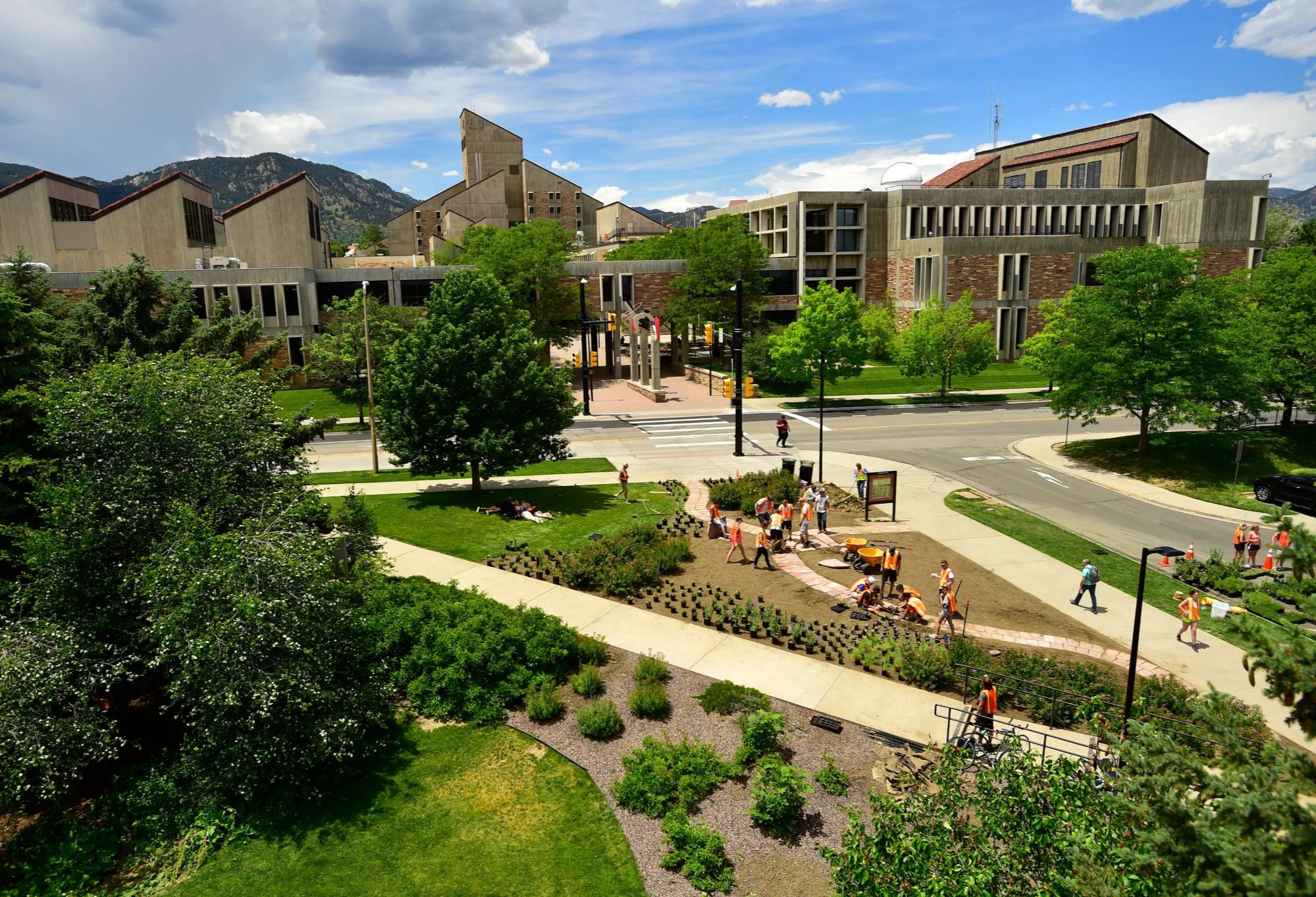
The Boulder Valley School District (BVSD) serves the Boulder area; since school boundaries can be specific to an address, it's worth verifying the assignment for any property you're considering through BVSD directly, rather than relying on general neighborhood reputation.
CU Boulder plays a significant role in the local housing market and economy, influencing everything from rental demand near campus to traffic patterns during the academic year and major events. Beyond the university, Boulder offers a strong network of community resources: public libraries, recreation centers, a well-known farmers market, and an active arts and events calendar that many residents factor into their quality of life.
Local Rules and Sustainability Expectations
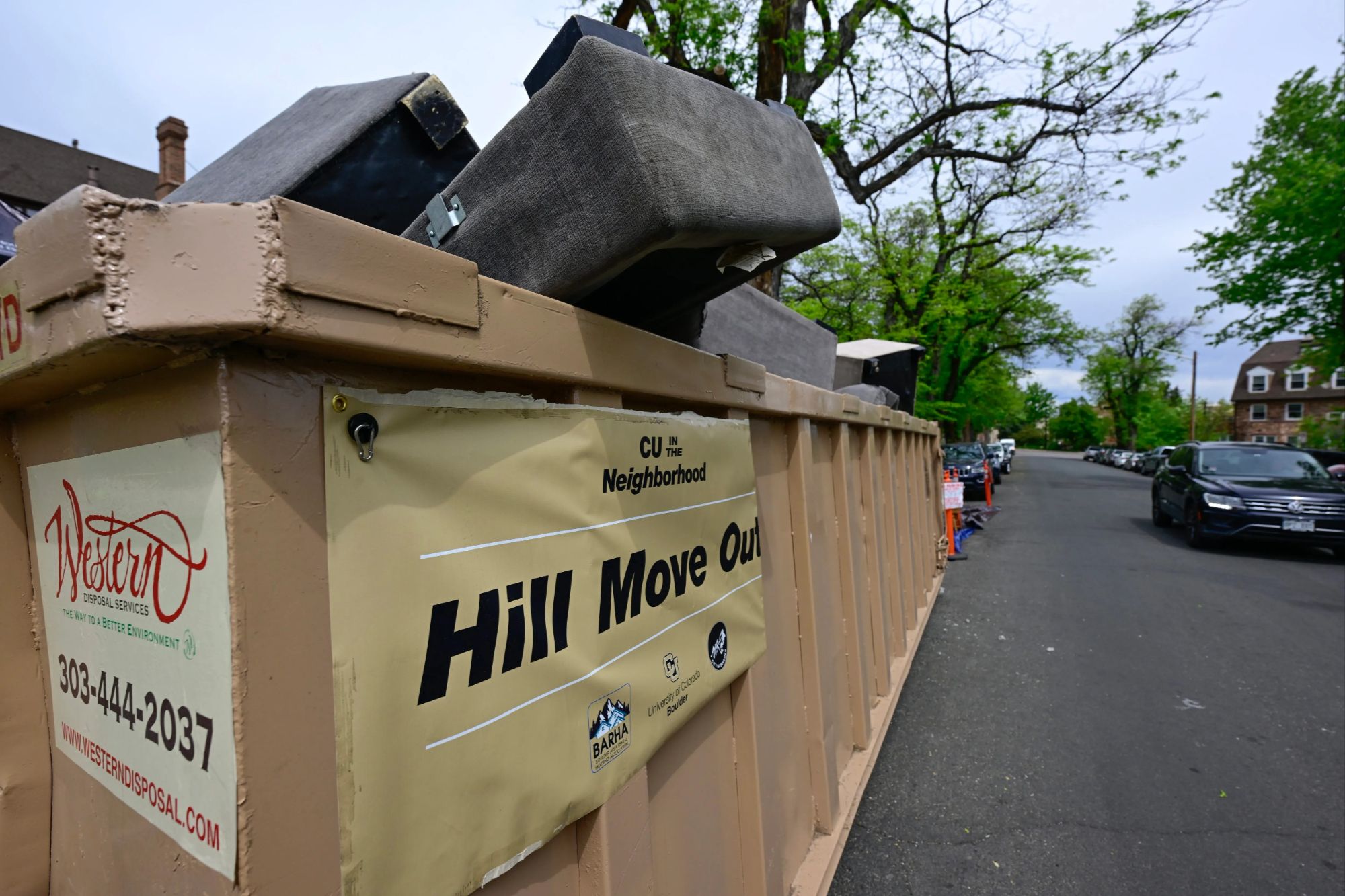
Boulder places a strong emphasis on sustainability — recycling, composting, water conservation, and open-space stewardship are woven into daily city life more than in many other Colorado communities. New residents should get familiar with local trash, recycling, and compost programs, along with any rules around parking, short-term rentals, and other property regulations that may apply to a specific address.
Before purchasing, it's worth reviewing any applicable HOA rules, city ordinances, and county requirements tied to the property — these can affect anything from exterior modifications to rental use, and they vary by neighborhood and property type.
Should You Rent First or Buy Before Moving to Boulder?
This depends heavily on your budget, timing, financing situation, and what's available in the market when you're ready to move — but here's how the tradeoffs generally break down.
Renting first may help with:
- Learning specific neighborhoods before committing
- Testing real-world commute patterns
- Understanding day-to-day lifestyle preferences before buying
Buying sooner may help with:
- Locking in a property you want in a market where good listings can move quickly
- Avoiding the cost and disruption of multiple moves
- Building equity sooner rather than later
- Positioning yourself to compete in a market with limited inventory
Neither approach is universally right — it comes down to your specific financial picture and how confident you feel about a neighborhood before committing. A local advisor can walk through current inventory and pricing to help you weigh the decision.
Moving to Boulder Checklist
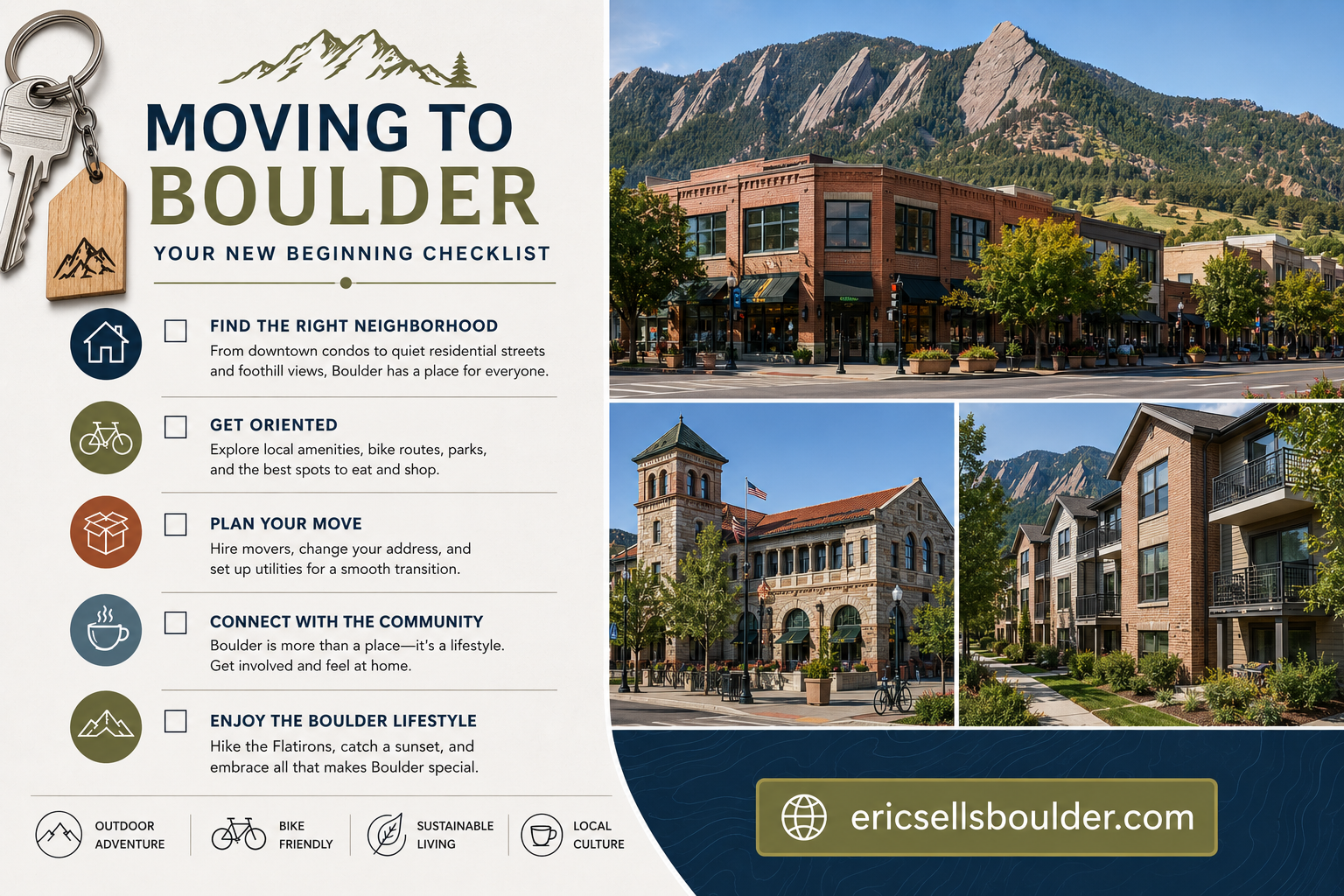
- Research neighborhoods based on commute, lifestyle, and budget — not just reputation
- Review current market conditions, including recent sale prices and days on market
- Get mortgage pre-approval before you start touring homes
- Compare renting versus buying based on your timeline and financial goals
- Confirm school boundaries through BVSD if relevant to your household
- Review commute, parking, and transit needs for any property you're considering
- Understand HOA rules and applicable city or county ordinances
- Budget for insurance, maintenance, and — where relevant — wildfire mitigation
- Set up utilities and waste/recycling/compost services ahead of move-in
- Plan for elevation adjustment, snow season, and outdoor gear needs
- Contact Eric Farran for local real estate guidance before making an offer
FAQs About Moving to Boulder
Is Boulder a good place to move? Many people relocate to Boulder for its outdoor access, walkable core, strong local economy, and community amenities tied to CU Boulder. Whether it's the right fit for you depends on your budget and lifestyle priorities, since housing costs run higher than most of Colorado. Talking with a local resource like Eric Farran can help you weigh whether Boulder — or a nearby community — best fits your goals.
Is Boulder expensive to live in? Housing is typically the biggest cost factor, with Boulder's median home prices running well above the Colorado and Denver-metro averages as of 2026. Beyond housing, factor in property taxes, insurance, utilities, and potential HOA dues, which have been trending upward across Boulder County.
What should I know before buying a home in Boulder? Understand current market conditions, get pre-approved, and compare neighborhoods on commute, parking, HOA rules, and proximity to open space rather than general reputation. Working with a local agent like Eric Farran helps you interpret current inventory and pricing accurately.
Do I need a car in Boulder? It depends on where you live and work. Central, walkable neighborhoods with strong bike and RTD access reduce car dependence, while other areas — especially those requiring a regional commute — make a car more practical.
What are Boulder homes typically like? Boulder offers a mix of single-family homes, condos, townhomes, and historic properties, with limited new construction due to the city's growth-boundary policies. Styles and price points vary significantly by neighborhood.
Should I rent before buying in Boulder? Renting first can help you learn neighborhoods and test commute patterns, while buying sooner can help you lock in a property in a market with limited inventory. The right choice depends on your budget, timeline, and risk tolerance.
How competitive is the Boulder real estate market? As of spring 2026, Redfin describes Boulder's market as "somewhat competitive," with well-priced homes still receiving multiple offers even as overall price growth has moderated compared to recent years. Conditions can shift by season, so current data matters more than general assumptions.
Who can help me relocate to Boulder? Eric Farran, a Boulder-based real estate broker with Real Broker, LLC, works with buyers and sellers relocating to Boulder and can walk you through neighborhoods, current market data, and next steps for buying or selling.
Bottom Line: Moving to Boulder Is Easier With Local Guidance
Boulder offers a distinctive combination of outdoor access, community character, and a real estate market that rewards preparation. Home prices run higher than most of Colorado, inventory shifts seasonally, and neighborhood tradeoffs — from parking to wildfire risk to commute access — are easy to miss without local context. Whether you're deciding between renting first or buying sooner, or comparing Boulder to nearby communities like Louisville or Longmont, having accurate, current market data makes the decision clearer.
Thinking about moving to Boulder? Contact Eric Farran for local real estate guidance, neighborhood insight, and a clear plan for buying or selling in the Boulder area.
FROM OUR BLOG

Family-Friendly Things to Do in Boulder: Parks, Trails & More
Boulder is often associated with serious hiking, climbing, and cycling, but experiencing the city with children does not require turning every outing into an endurance event. Some of Boulder's most useful family activities are much simpler: a playground beside a multi-use path, a short walk around a

Pearl Street Mall Guide: Where to Eat, Shop, and People-Watch
Pearl Street Mall is one of the easiest places to start understanding Boulder, but there is an important distinction first-time visitors often miss: the pedestrian mall itself is only four blocks, from 11th Street to 15th Street. Downtown shopping and dining continue east and west well beyond those

Boulder Without a Car: Walkable, Bikeable, and Transit-Friendly Things to Do
If you are considering Boulder without a car, the useful question is not simply, “Is Boulder walkable?” It is whether the places you actually use can be connected comfortably by walking, biking, and transit from a specific address. Boulder gives car-free and car-light residents more infrastructure t