
People researching the Boulder food scene usually want to know more than where to book one memorable dinner. Someone relocating to Boulder may be asking a practical lifestyle question: Will I have convenient access to good everyday meals, local ingredients, coffee shops, special-occasion restaurants, and places that accommodate different dining preferences?
Boulder offers all of those, although the experience varies considerably by location. Downtown and Pearl Street provide the greatest concentration of restaurants within a compact area. University Hill is oriented more heavily toward quick meals and CU Boulder activity. East Boulder has several destination restaurants, breweries, and businesses spread across a more vehicle-oriented district. North and South Boulder offer smaller commercial pockets with neighborhood restaurants, bakeries, cafés, and pubs.
Visit Boulder, the city’s official destination marketing organization, promotes the local dining culture around chefs, nearby farmland, craft beverages, coffee, patios, and Michelin-recognized restaurants. That positioning is supported by a dining landscape that ranges from market stalls and counter-service meals to nationally recognized hospitality.
Restaurant openings, hours, chefs, menus, prices, and award designations can change. Specific recognition and operating information in this guide are current as of August 4, 2026, unless another date is stated.
What Makes the Boulder Food Scene Distinctive?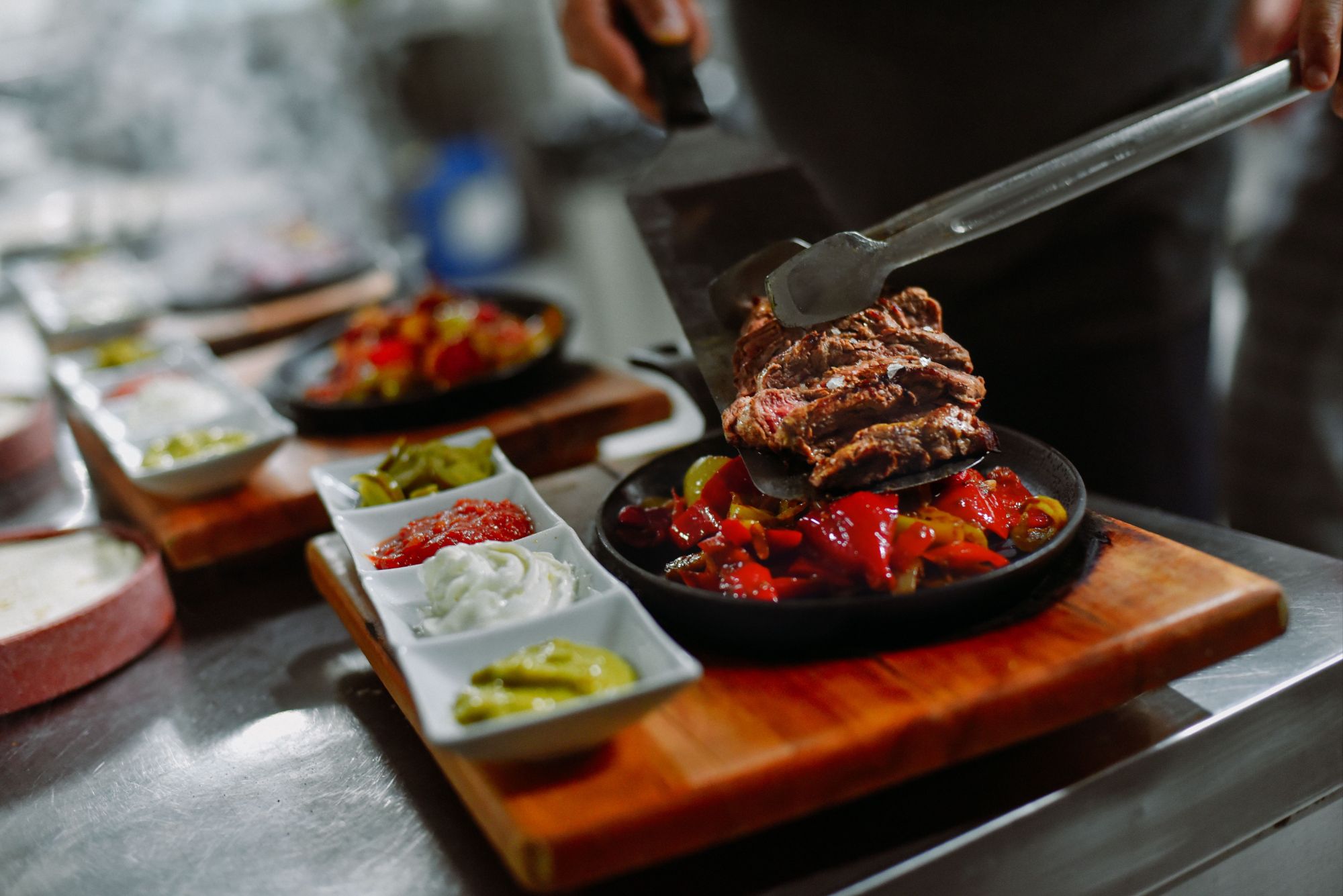
Boulder’s dining identity rests on three overlapping characteristics: access to agricultural producers, a strong chef-led restaurant tier, and a substantial casual-food culture.
The farm connection is visible rather than merely promotional. The Boulder Farmers Market operates in the downtown Civic Area, and several restaurants publicly describe relationships with Colorado growers, ranchers, millers, or their own farms. Seasonal produce, Colorado grains, locally raised meat, and changing menus appear across different price points.
At the same time, Boulder has received significant national restaurant recognition. Michelin’s Boulder directory listed 10 restaurants as of August 4, 2026. The 2025 selections included distinctions ranging from Recommended status to Bib Gourmand, Green Star, and one Michelin star. Frasca Food and Wine also received the James Beard Foundation’s 2025 Outstanding Restaurant Award. Award status is a dated snapshot rather than a permanent designation, so diners should consult the current Michelin and James Beard resources when recognition is important to their plans.
Those high-profile restaurants are only one layer of the local scene. Boulder also has longstanding pubs, breakfast counters, pizzerias, international restaurants, food halls, bakeries, coffee roasters, breweries, and quick-service options influenced in part by the University of Colorado Boulder population.
For a prospective resident, that range matters. Living near Pearl Street creates a different routine than living near Table Mesa, Gunbarrel, or the eastern edge of the city. The question is not simply whether Boulder has good restaurants. It is which type of dining access fits the way you expect to live.
Farm-to-Table Dining Begins at the Market
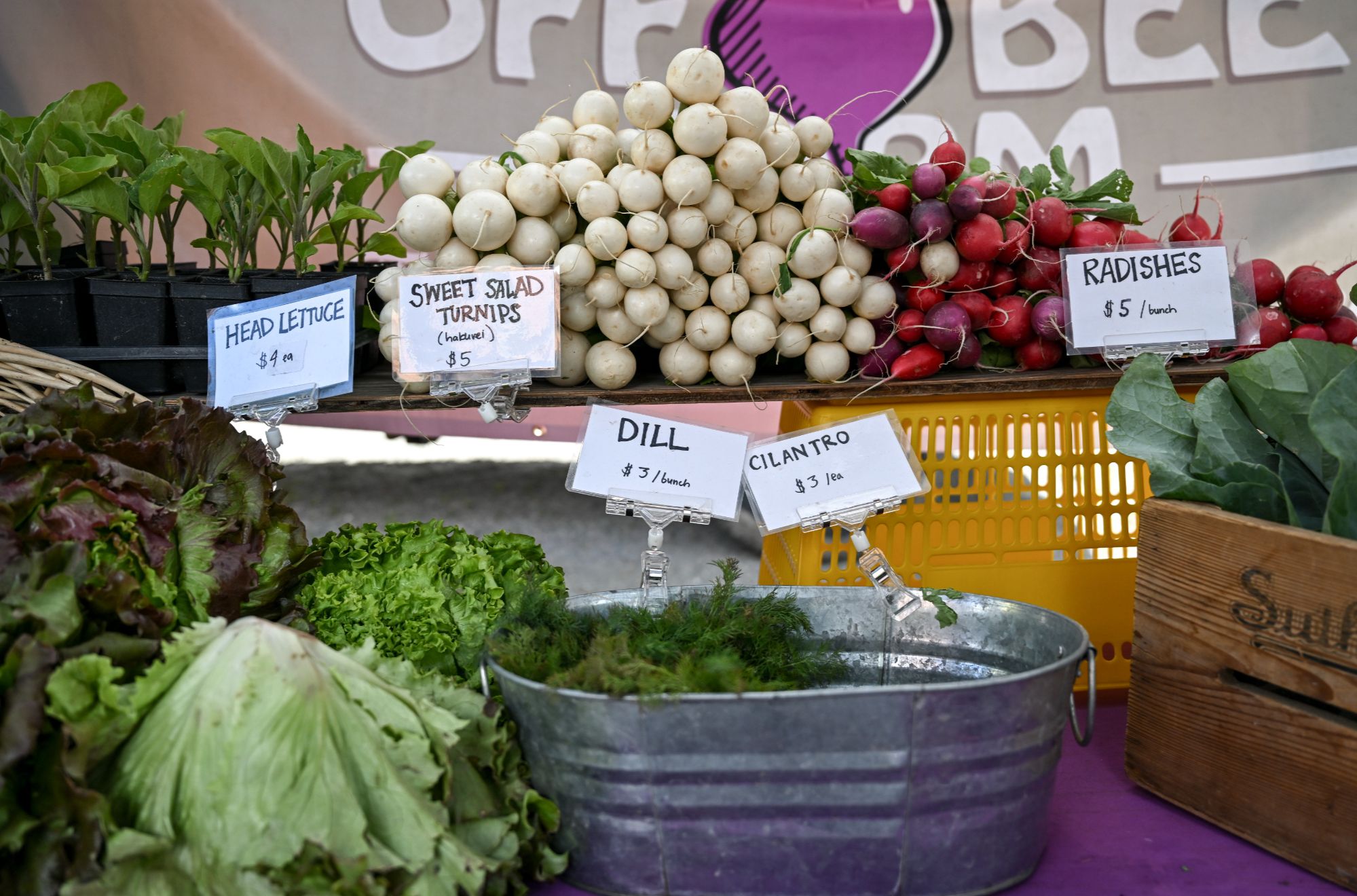
“Farm-to-table” can mean different things from one restaurant to another. Some establishments own or directly operate farms. Others buy selected ingredients from regional producers while relying on national suppliers for the rest of the menu. Instead of treating the phrase as a guarantee, look for specific sourcing information, named farm partners, or explanations of how seasonal availability affects the menu.
Boulder Farmers Market in 2026
The Boulder Farmers Market is one of the clearest entry points into the local food system. Its published 2026 schedule is:
- Saturdays from 8 a.m. to 2 p.m., April 4 through November 21
- Wednesdays from 3:30 to 7:30 p.m., May 6 through October 7
- Location: 13th Street and Canyon Boulevard
Boulder County Farmers Markets describes the Boulder market as growers-only, meaning its produce selection changes with Colorado’s growing seasons. The organization also states that the market accepts SNAP and WIC for qualifying purchases and provides associated food-access incentives. Pets are not permitted, apart from service animals. Market dates, weather closures, vendor participation, and program terms should be reconfirmed before visiting.
How local sourcing appears in restaurants
Blackbelly says it works closely with nearby ranchers and farmers, with available ingredients informing menu decisions. Its Boulder operation combines a restaurant, breakfast and lunch counter, market, butcher shop, and charcuterie program. Bramble & Hare has also received Michelin Green Star recognition for its sustainability practices and close connection to its farm-based supply system.
Basta offers another version of the local-food model. Its published description emphasizes pasta and pizza grains sourced from Colorado farms and milled locally in Boulder. These examples illustrate that farm-connected dining is not limited to one cuisine or service format.
For residents, the farmers market can also function as a weekly grocery routine. Buyers who expect to shop there regularly may want to evaluate bike storage, kitchen storage, parking convenience, transit access, and the actual walking or cycling route from a property. A map distance alone does not show street crossings, grades, winter conditions, or whether a route feels practical while carrying groceries.
Chef-Driven and Special-Occasion Restaurants
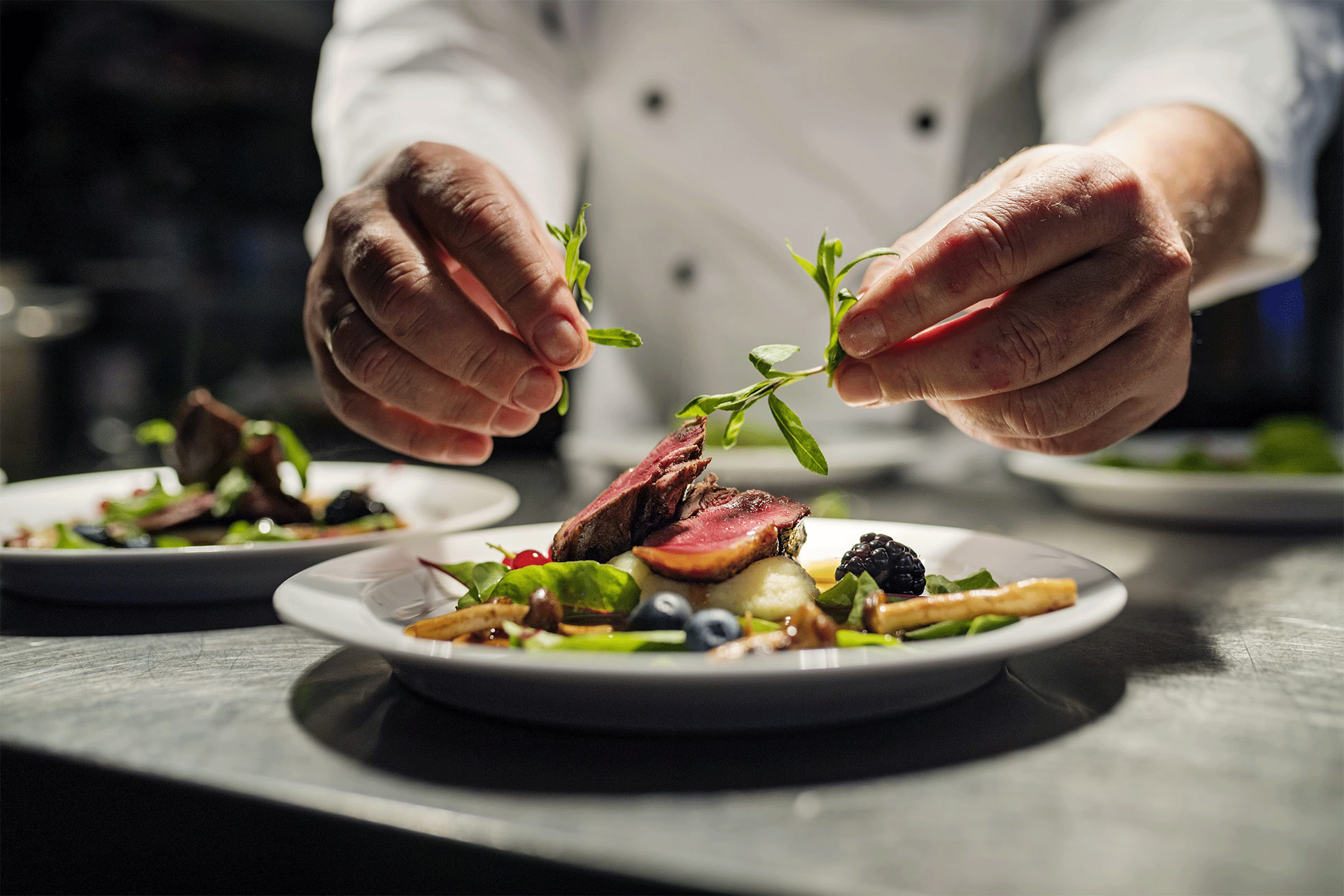
Boulder’s chef-driven restaurants are concentrated most visibly downtown, but several important dining destinations sit outside the Pearl Street core.
Frasca Food and Wine, located on East Pearl Street, focuses on the food and wine traditions of Friuli-Venezia Giulia in northeastern Italy. In addition to winning the James Beard Foundation’s 2025 Outstanding Restaurant Award, it held one Michelin star in the 2025 guide. Those distinctions make it a useful example of Boulder’s national culinary profile, but they should not be interpreted as a prediction of future award status.
Other Michelin-listed Boulder restaurants represent a broader range of formats and cuisines. Basta received a Bib Gourmand distinction for good-quality, good-value cooking. Cozobi Fonda Fina joined the 2025 guide with a Bib Gourmand. Blackbelly combines whole-animal butchery with chef-driven dining, while Bramble & Hare emphasizes ingredients from its associated farm. Oak at Fourteenth, Santo, Stella’s Cucina, Zoe Ma Ma, and the Boulder Dushanbe Teahouse have also appeared in Michelin’s Boulder selection.
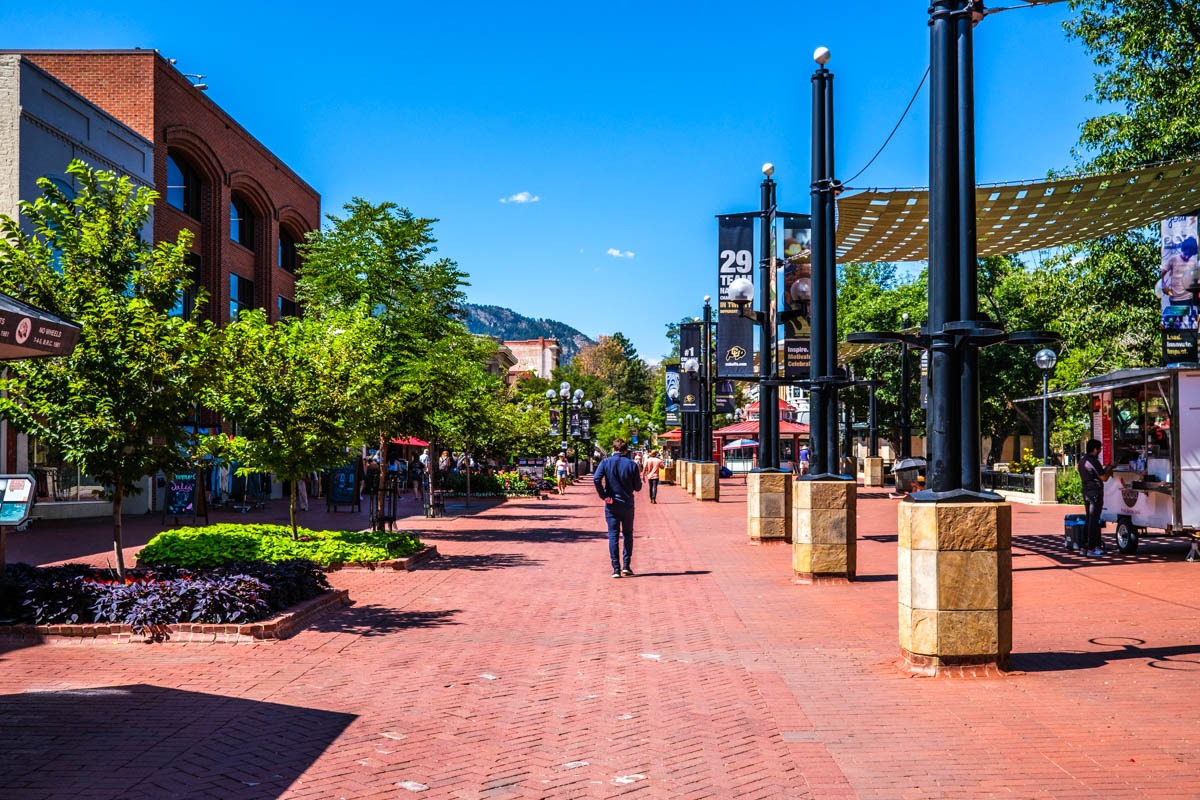
Downtown makes it possible to combine dinner with shopping, a performance, or a walk through the Pearl Street Mall. The City of Boulder identifies the mall as a pedestrian district where vehicle traffic has been prohibited since its designation in 1977. Restaurants continue beyond the pedestrian blocks in both directions along Pearl Street and onto nearby Walnut and Spruce streets.
Reservations are advisable for many chef-driven restaurants, particularly on weekends, during University of Colorado events, and around major festivals. Confirm dress expectations, cancellation policies, menu format, accessibility, service charges, and dietary accommodations directly with the restaurant.
Casual Eats, Food Halls, Coffee, and Breweries
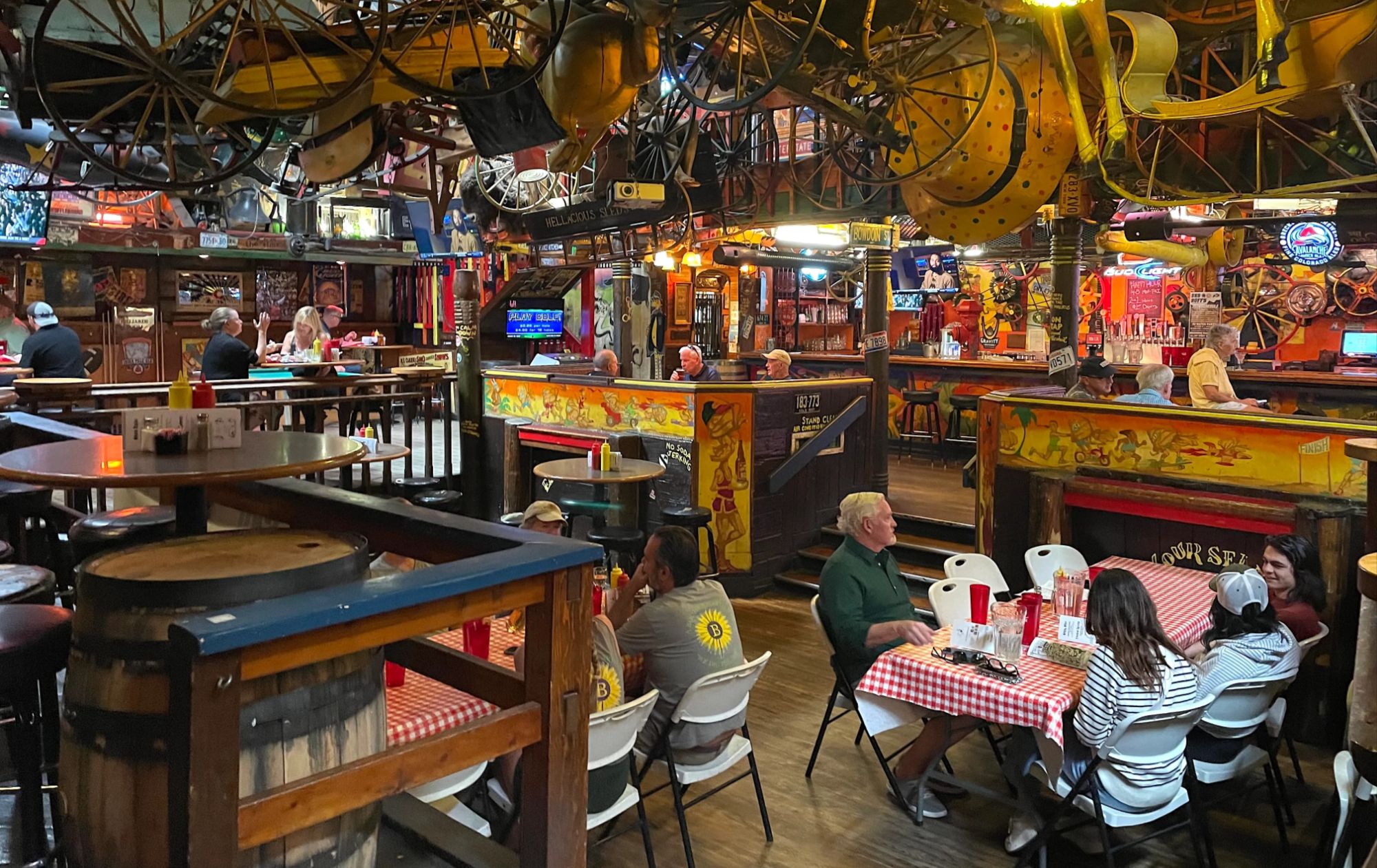
A useful Boulder dining guide cannot focus only on tasting menus and awards. Most residents interact more frequently with breakfast burritos, noodle shops, pizza, sandwiches, pub meals, coffee, and takeout.
Mountain Sun Pub & Brewery operates its original pub on Pearl Street, while the related Southern Sun serves South Boulder near the Table Mesa commercial area. These are examples of Boulder’s locally rooted brewpub culture, where beer and casual food share equal importance. Current menus, payment policies, and hours should be checked directly because operating details can change.
University Hill provides one of the densest clusters of quick meals near CU Boulder. The Hill Merchant Association’s current dining directory includes pizza, dumplings, sushi, burgers, Mediterranean food, bakeries, tea, coffee, sandwiches, and late-night options. The Sink, which opened in 1923, remains the district’s most prominent historic restaurant. The specific tenant mix changes, particularly in small food courts and student-oriented spaces, so consult current business listings rather than relying on an older restaurant roundup.
Zoe Ma Ma, located near the east end of the Pearl Street pedestrian area, is a counter-service example that also appears in the Michelin Guide. Its format illustrates how national restaurant recognition in Boulder is not limited to formal dining rooms.
Food halls provide another useful option when a group wants different cuisines. Visit Boulder currently identifies Rosetta Hall, Avanti F&B, Rayback Collective, and the Hilltop Building food court among the city’s communal dining formats. Concepts, food trucks, and individual vendors may rotate, so verify the same-day lineup before choosing a location for one specific cuisine.
Coffee culture is distributed throughout Boulder rather than confined to downtown. Official tourism listings identify coffee businesses in central Boulder, South Boulder, North Boulder, Chautauqua, Pearl Street, and food halls. For home buyers who work remotely or routinely meet clients outside the home, it is worth visiting nearby cafés at the times they would actually use them. Seating, noise, parking, Wi-Fi policies, and peak demand can be as relevant as the coffee menu.
Prices change too frequently to support a permanent “cheap eats under a specific dollar amount” list. Visit Boulder expressly advises readers to check current menus because advertised prices can change.
How Dining Access Varies Across Boulder
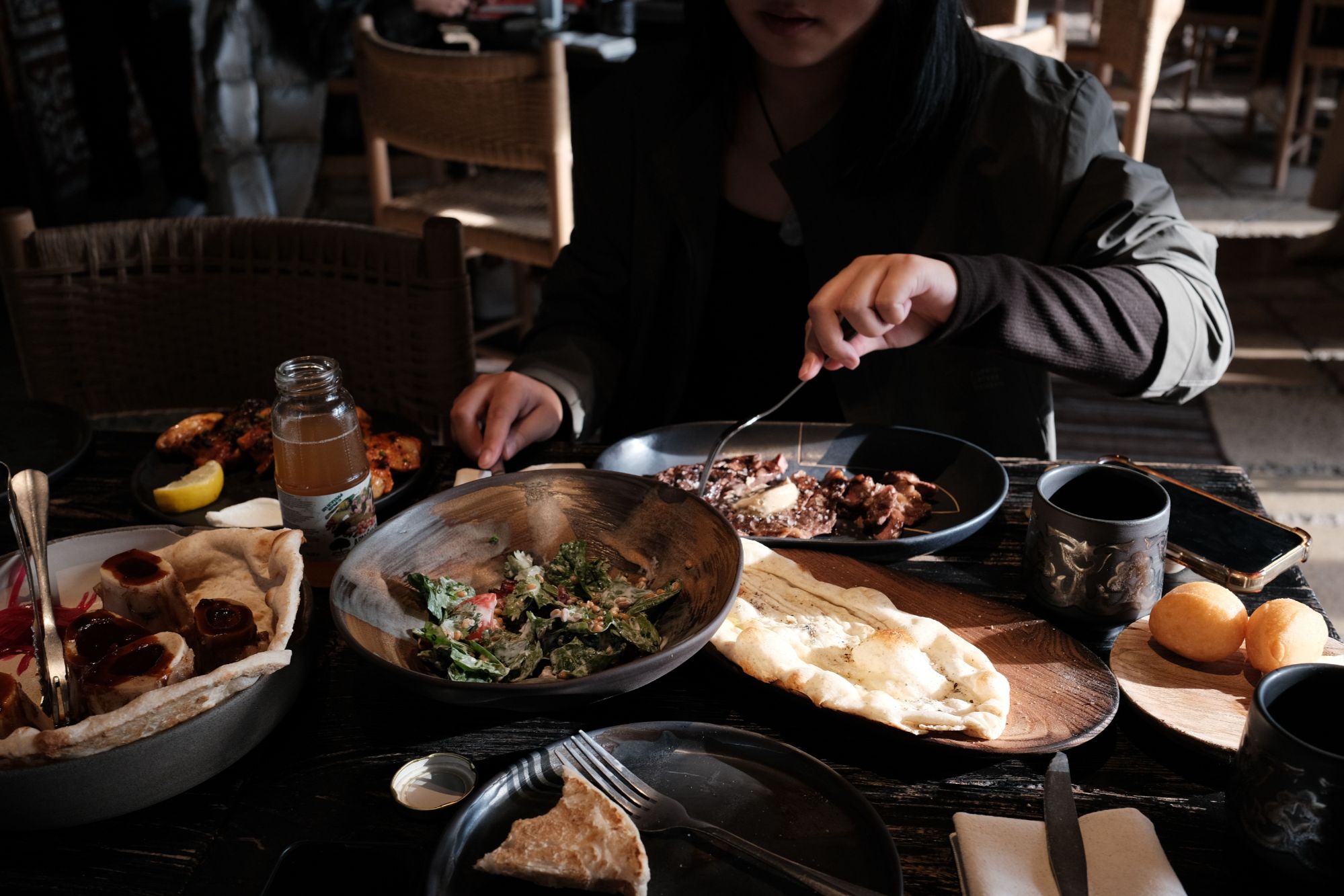
Boulder is geographically compact, but restaurant access is not uniform. Two homes within the same general neighborhood can differ in walking routes, street crossings, access to multi-use paths, parking restrictions, and proximity to commercial activity.
Downtown and Pearl Street
Downtown has the largest concentration of restaurants, coffee shops, patios, bars, and evening activity. It is the strongest choice for someone who places a high priority on walking to multiple dining options, but properties close to commercial blocks may also experience delivery activity, special events, pedestrian traffic, and evening noise.
As of August 2026, City of Boulder downtown garages are free on Saturdays, Sundays, and city holidays, except the Depot Square garage at 3183 Pearl Street, which uses paid parking seven days a week. On-street and garage rates changed on January 2, 2026, and should be checked before relying on a particular parking strategy.
University Hill and areas near CU Boulder
The Hill emphasizes casual restaurants, cafés, takeout, nightlife, and businesses serving the university community. Its commercial core is primarily along 13th Street between Broadway and Euclid. Buyers evaluating nearby properties should visit during both the academic year and university breaks because traffic, pedestrian activity, restaurant hours, and street conditions may feel different.
Central and East Boulder
Central Boulder offers a mix of independent cafés, international restaurants, fast-casual dining, and larger retail centers. East Boulder has destination restaurants, breweries, wineries, distilleries, and food businesses spread across a broader area, with one dining concentration around Arapahoe Road and 55th Street. Walking access can vary significantly by parcel and route.
North Boulder, Gunbarrel, and South Boulder
North Boulder combines bakeries, coffee shops, restaurants, breweries, and smaller commercial pockets along or near Broadway. Gunbarrel has its own northeastern cluster of restaurants and beverage businesses, but it is separated from central Boulder and should be evaluated as a distinct daily routine.
South Boulder dining is centered more heavily around neighborhood shopping areas, including Table Mesa, with coffee shops, pubs, and casual restaurants rather than the density found downtown.
Boulder’s multi-use paths and bike routes can materially change how practical a restaurant or market feels from a specific address. The city publishes an interactive bike map showing bike lanes, routes, and multi-use paths. Transit service is provided through RTD and local partnerships, but routes, stops, construction detours, and schedules can change. Use the City of Boulder, RTD, and real-time transit resources for property-specific trip planning.
Dietary Preferences and Practical Dining Planning
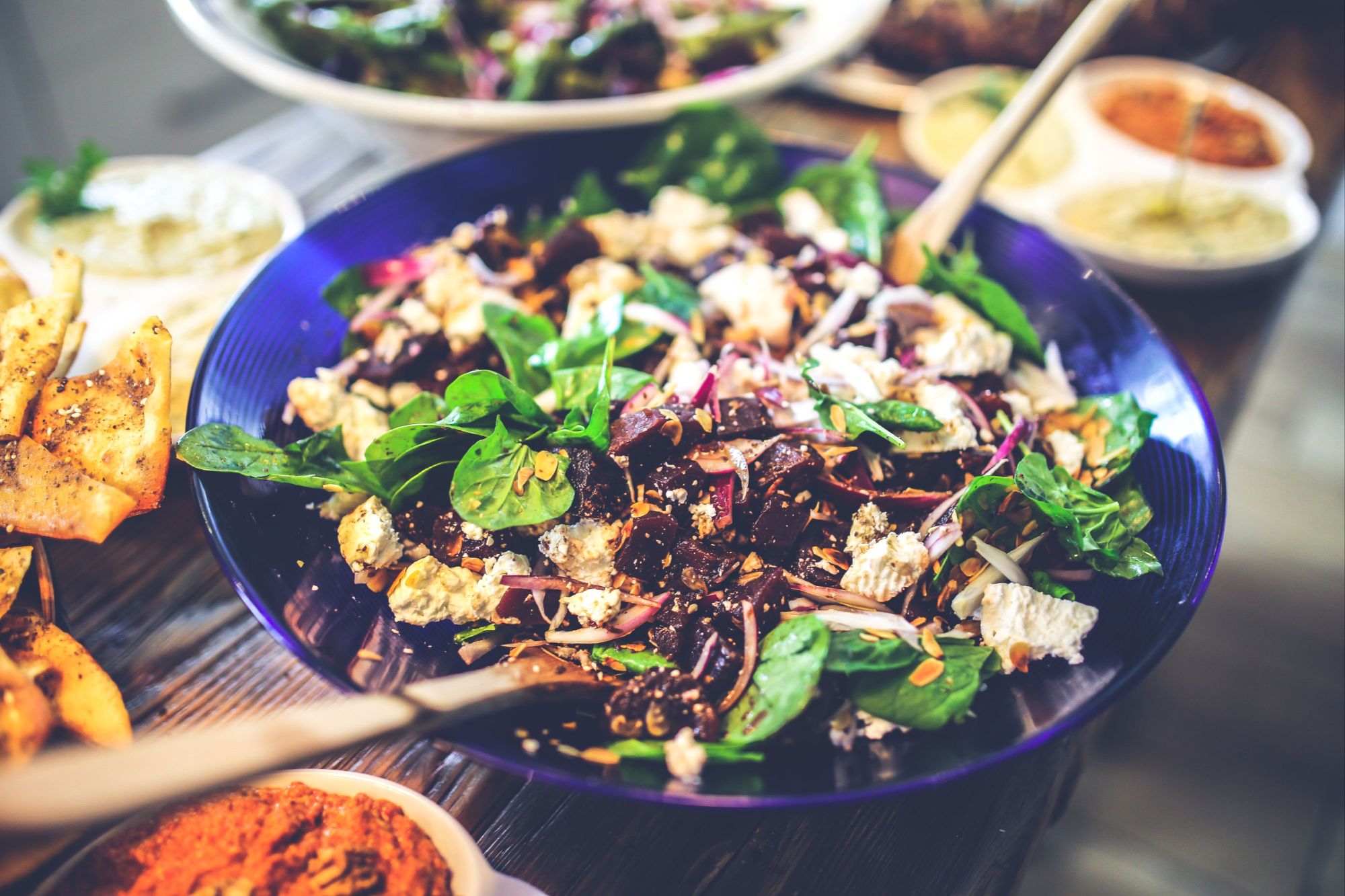
Boulder restaurants commonly advertise vegetarian, vegan, gluten-free, and other ingredient-conscious options. Visit Boulder maintains separate directories for plant-based and gluten-free dining, which can help identify places to investigate. These lists should be used as starting points rather than medical assurances.
A restaurant that labels a dish gluten-free, vegetarian, or dairy-free may still use a shared kitchen, fryer, grill, preparation surface, or storage area. Anyone managing an allergy, celiac disease, or another medical dietary restriction should speak directly with restaurant staff about ingredients and cross-contact procedures. Menus and preparation practices may change without being reflected immediately in third-party listings.
Other practical questions include:
- Does the restaurant require or accept reservations?
- Is there counter service, full table service, or both?
- Are takeout and delivery offered?
- Is the entrance and seating arrangement accessible for the diner’s needs?
- Is parking available, paid, time-limited, or permit-restricted?
- Does the bill include a service charge or other fee?
- Are patios seasonal, heated, covered, or subject to weather closure?
- Do food-hall vendors operate the same hours as the overall venue?
Check the restaurant’s own website or contact its staff for current answers. Third-party menu photographs, social-media posts, and review sites can become outdated quickly.
Using the Food Scene When Deciding Where to Live
Restaurant proximity is a lifestyle consideration, not a reliable predictor of property appreciation, rent growth, resale value, or investment performance. A dining district can create convenience and activity while also producing traffic, delivery noise, odors, parking demand, and late operating hours.
Before choosing a property partly because of nearby restaurants, visit the area at breakfast, lunch, dinner, and on a weekend. Walk the actual route rather than relying only on a listing’s distance measurement.
Checklist for buyers and relocating residents
Consider the following:
- Everyday dining radius: Identify the grocery stores, cafés, takeout restaurants, and sit-down options you would realistically use.
- Access: Test the route by foot, bicycle, transit, and car as applicable.
- Commercial impacts: Look for loading zones, dumpsters, ventilation equipment, delivery routes, patio seating, and late-night activity.
- Parking: Review on-site spaces, street regulations, permit zones, garage costs, and guest-parking limitations.
- HOA rules: For condominiums and townhomes, examine restrictions affecting deliveries, short-term rentals, home businesses, parking, and common areas.
- Future change: Review current zoning and pending development applications rather than assuming the existing restaurant or vacant parcel will remain unchanged.
- Property marketing: Sellers may accurately describe proximity to dining and shopping, but should not make unsupported claims about value, desirability, or future financial results.
Investors should evaluate a property using verified income, expenses, lease terms, applicable rental regulations, HOA documents, financing, and property condition. Nearby restaurants or commercial activity do not guarantee occupancy, rental income, or appreciation.
Buyers should independently verify school boundaries, zoning, insurance availability and cost, property condition, permits, flood or wildfire considerations, HOA obligations, and all other property-specific information. Appropriate sources may include the City of Boulder, Boulder County, Boulder Valley School District, FEMA, an insurer, lender, licensed inspector, surveyor, attorney, tax professional, HOA, or other qualified adviser.
The Boulder food scene is a meaningful part of local life, but the right location depends on how often you dine out, what types of restaurants you use, how you travel, and how much commercial activity you want near your home. Contact Eric Sells Boulder to compare properties based on objective factors such as restaurant access, walking and biking routes, parking, housing type, zoning context, and proximity to the amenities you expect to use.
FROM OUR BLOG

Pearl Street Mall Guide: Where to Eat, Shop, and People-Watch
Pearl Street Mall is one of the easiest places to start understanding Boulder, but there is an important distinction first-time visitors often miss: the pedestrian mall itself is only four blocks, from 11th Street to 15th Street. Downtown shopping and dining continue east and west well beyond those

Boulder Without a Car: Walkable, Bikeable, and Transit-Friendly Things to Do
If you are considering Boulder without a car, the useful question is not simply, “Is Boulder walkable?” It is whether the places you actually use can be connected comfortably by walking, biking, and transit from a specific address. Boulder gives car-free and car-light residents more infrastructure t
Best Places to Stay in Boulder by Travel Style
Choosing where to stay in Boulder is less about finding one universally “best” hotel and more about matching your lodging to what you actually plan to do. A downtown stay makes it easier to walk to Pearl Street restaurants and shops. A cottage at Chautauqua puts hiking outside your door. A suite wit