
Boulder has long been one of the most desirable places to live in Colorado — and one of the hardest places to afford. Open space boundaries that protect what makes the city beautiful also limit how much new housing can be built. That tension is exactly what makes a vote taken on February 12, 2026, so significant.
Boulder City Council voted 7–2 to continue studying the potential expansion of the city into the Area III Planning Reserve — a 493-acre parcel of undeveloped land northeast of Boulder that hasn't been seriously considered for housing since it was first identified back in 1993. If the process ultimately leads to development, the site could accommodate up to 8,700 housing units — one of the largest potential additions to Boulder's housing supply in the city's history.
This is not a done deal. Not even close. But it is a real conversation that has real implications for buyers, sellers, investors, and anyone paying attention to where Boulder real estate is heading.
What Is the Area III Planning Reserve — and Where Is It?
To understand why this matters, it helps to understand how Boulder plans its land. The Boulder Valley Comprehensive Plan — a joint document between the City of Boulder and Boulder County that has guided land use since 1977 — divides the valley into three areas. Area I is the city itself. Area II is land under county jurisdiction that can be annexed to the city. Area III is everything else: land designated to remain largely rural and undeveloped.
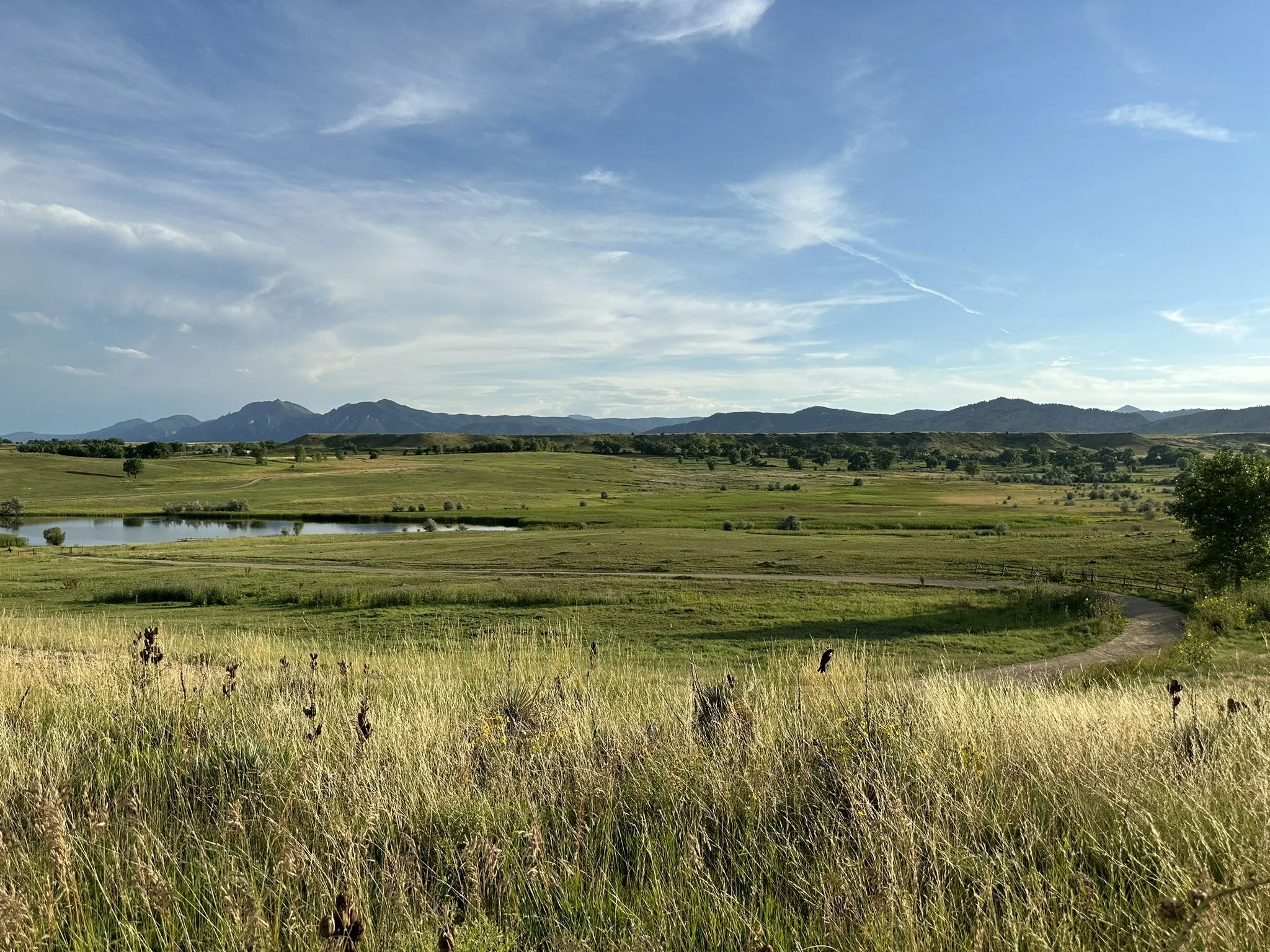
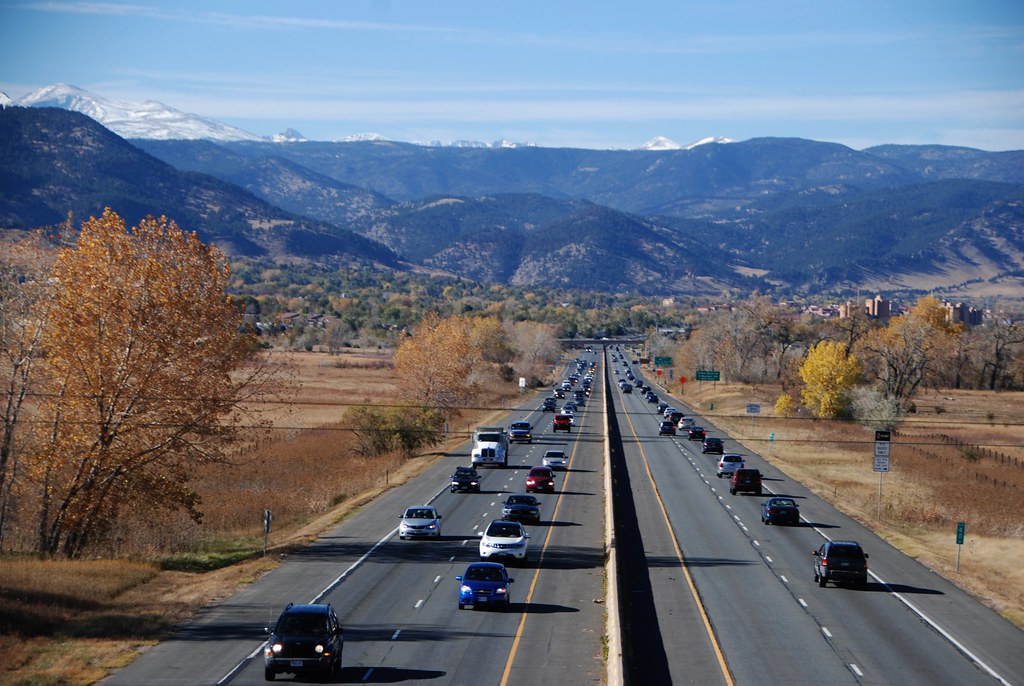
The Area III Planning Reserve is a specific carve-out within Area III — roughly 493 acres located northeast of the city, east of North Foothills Highway (US-36) and north of Jay Road. It was identified in 1993 as the one portion of Area III where the city reserved the future option of urban expansion, but only if community needs couldn't be met within existing city limits.
Today, the land is a patchwork of ownership. The City of Boulder owns approximately 220 acres, most of it purchased with sales tax revenue earmarked for parks and affordable housing. The remaining parcels are privately held by dozens of landowners. Adjacent to the site are Boulder Valley Ranch — a city-managed open space and working ranch — and a shooting range. The land itself is largely flat, open, and undeveloped: the kind of blank canvas that's extraordinarily rare in a city as land-constrained as Boulder.
The February 2026 Vote: What Council Actually Decided
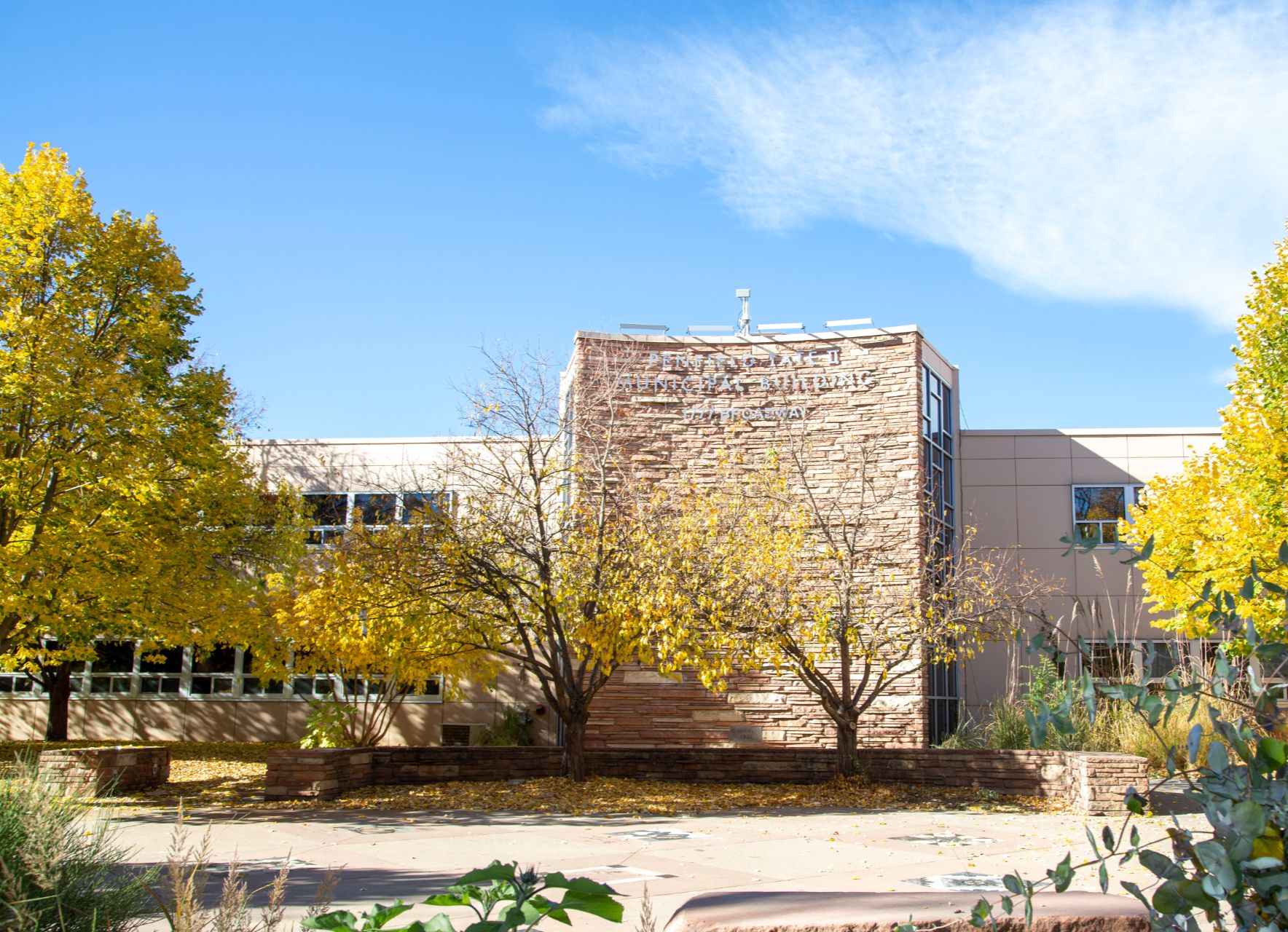
It's worth being precise about what the City Council's February 12 vote did — and what it did not do. The 7–2 vote did not approve development. It did not authorize expansion. It did not rezone a single acre. What it did was allow city staff to continue studying the Area III Planning Reserve as a long-term option for meeting Boulder's housing needs — as part of the broader Boulder Valley Comprehensive Plan update currently underway.
The path forward from here is long and multi-step. Before any development could happen, both the City Council and Planning Board would need to formally determine that expansion is warranted, staff would need to develop a full Service Area Expansion Plan, and annexation would need to be approved. Even optimistic projections put actual groundbreaking at no earlier than the mid-2030s, with a fully built neighborhood potentially not complete until 2050.
The vote was not without friction. Prior to Council's decision, the Planning Board voted 4–3 to recommend pausing the expansion study — arguing the city should first evaluate whether recent zoning changes and infill housing policies within existing city limits could meet projected demand. Boulder County representatives also urged a more measured approach. In March 2026, the Planning Board reversed course and voted 4–3 to resume the study — a narrow, contested margin that signals this conversation is far from settled.
The Case For and Against: What Both Sides Are Saying
The arguments in favor of studying Area III development are grounded in numbers. The Denver Regional Council of Governments forecasts that Boulder will need to accommodate approximately 9,500 additional housing units by 2032. The city's own analysis acknowledges that while much of that demand can be met through infill, the Area III Planning Reserve represents one of the only remaining opportunities for large-scale, greenfield development within Boulder's long-term planning horizon. The Boulder Chamber of Commerce submitted a formal letter to Council urging the vote to move forward, calling it a generational opportunity that the city shouldn't foreclose prematurely.
The counterarguments are substantive. Skeptics — including Planning Board members and Boulder County representatives — have pointed to the significant infrastructure costs involved: baseline off-site work for water lines, wastewater treatment, roads, and utilities is estimated at up to $1 billion, according to city reports. Some council members raised concerns about the workload the study imposes on already-stretched city staff. And community voices have questioned whether expanding outward is the right answer before the city has fully tested what denser infill development inside existing neighborhoods can produce.
In many cases, these kinds of land use debates reflect deeper questions about what kind of city Boulder wants to be — and who it wants to be affordable to. That's a conversation Boulder has been having for decades, and the Area III discussion brings it into sharp focus.
What This Means for Boulder Real Estate Right Now
In the near term, the Area III vote doesn't change anything on the ground. No parcels are for sale as development sites. No annexation has occurred. No infrastructure is being built. The earliest realistic window for new homes on this land is still a decade away.
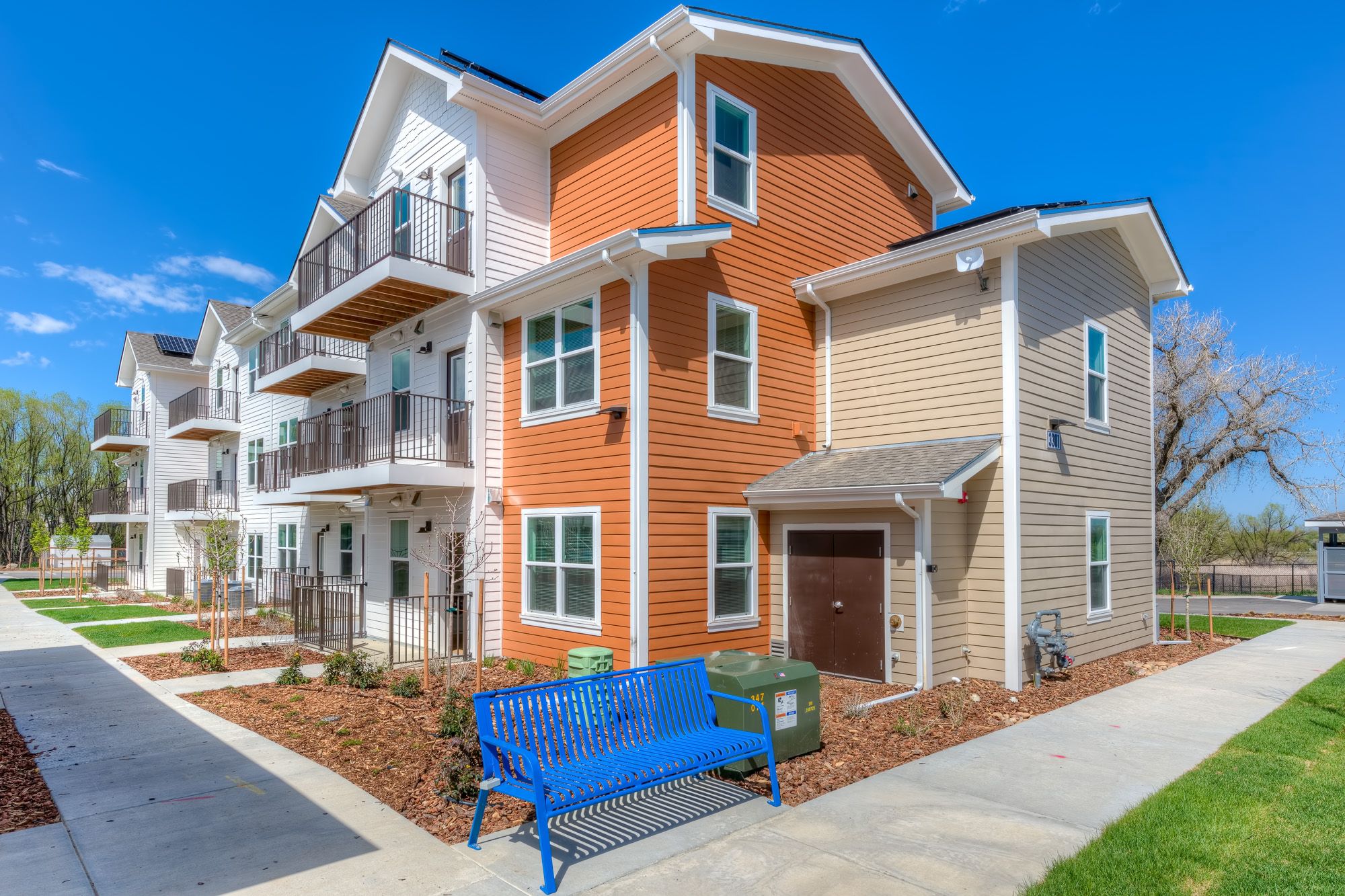
But in a market like Boulder — where supply is structurally constrained, prices remain well above state and national averages, and every signal about future housing capacity gets priced into expectations — the direction of this conversation matters. If the study process ultimately results in a Service Area Expansion Plan and annexation moves forward, the Area III site would represent a meaningful increase in Boulder's long-term housing inventory. The ripple effects on affordability, on entry-level price points, and on the overall composition of the Boulder market could be significant.
For buyers considering Boulder homes for sale today, this is context — not a reason to wait. The mid-2030s development timeline means the current market operates entirely independently of Area III. But for investors in Boulder real estate thinking about 10- and 20-year horizons, the direction of Boulder's planning conversation is relevant data. And for sellers, the ongoing commitment to expanding Boulder's housing supply — even slowly, even incrementally — is part of why this market maintains its long-term value story.
Generally speaking, Boulder's combination of protected open space, a world-class university, a constrained land supply, and a high-income professional base creates durable real estate fundamentals. Area III is one part of how the city manages the tension between those fundamentals and its housing affordability challenges.
It's always best to consult with a local real estate professional who understands how these planning dynamics connect to your specific situation — whether you're buying, selling, or investing in Boulder real estate right now.
The Bigger Picture: Boulder's Housing Debate Is Reaching a Turning Point
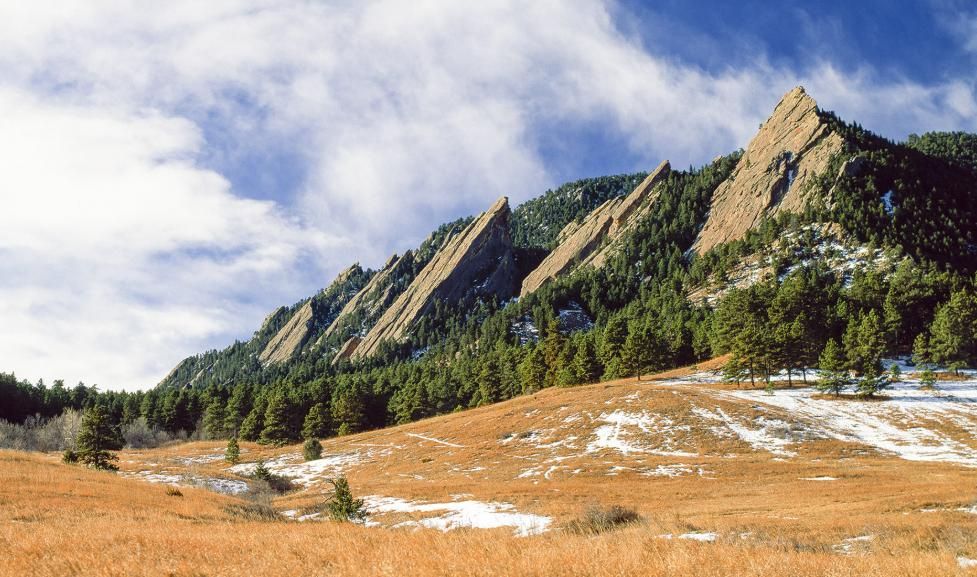
What makes the Area III conversation different from past debates about Boulder housing is the scale of what's on the table. Most infill projects — accessory dwelling units, duplexes, small mixed-use buildings — add housing in single digits or low double digits per project. Area III, at full buildout, represents up to 8,700 units. That's a different order of magnitude.
Boulder has been here before, in a sense. The city has spent decades carefully managing growth, protecting open space, and debating what density looks like in established neighborhoods. What's shifting now is the urgency. Colorado's broader housing crisis, state-level pressure on cities to permit more housing, and the reality of Boulder's own affordability data are creating conditions where doing nothing is less politically viable than it once was.
The Area III Planning Reserve study is very much a live process. The Planning Board's back-and-forth — voting first to pause, then to proceed — reflects genuine disagreement within Boulder's planning community about the right sequencing. A draft Boulder Valley Comprehensive Plan update is expected to shape the next phase of this conversation. Public input will be part of that process, and residents who care about how their neighborhood evolves will have an opportunity to be heard.
For those of us watching Boulder real estate closely, this is one of the most consequential planning conversations the city has had in a generation. How it resolves — and on what timeline — will shape what Boulder's neighborhoods look like well into the second half of this century.
FROM OUR BLOG
Boulder Down Payment Assistance 2026: How First-Time Buyers Can Get Up to $100,000
For many Boulder buyers, the challenge is not simply qualifying for a monthly mortgage payment. It is getting enough cash together for the down payment, closing costs, reserves, and everything else that comes with buying a home in one of Colorado's more expensive housing markets. What many buyers do
Boulder ADU Rules 2026: Can You Build, Rent, or Add an ADU to Your Property?
Accessory dwelling units have become one of the most useful—and frequently misunderstood—housing options in Boulder. An ADU can create a separate place for an aging parent, an adult child, a long-term tenant, a home office setup with living space, or even a future downsizing option for the homeowner
Boulder Housing Market October 2026: Are Home Prices Falling?
Updated October 1, 2026 Search for the Boulder housing market right now, and you can find several very different-looking answers. Realtor.com's September 2026 data shows a $910,000 median sold price in Boulder, down 8.5% from a year earlier. Zillow, however, estimates the typical Boulder home value