
If you've been paying attention to Boulder's real estate market, you already know what many outsiders are just starting to figure out. A wealth migration ranking circulating widely across real estate channels in 2026 placed Boulder, Colorado, at #10 on its list of cities quietly becoming millionaire hubs — driven by lifestyle, limited supply, remote work flexibility, and the kind of long-term value that keeps high-net-worth buyers coming back.
For those of us who live and work in Boulder real estate every day, the reaction is less surprise and more: of course it is. The harder question is what this kind of recognition actually means for the market — and what it tells buyers, sellers, and investors about where things are heading.
What the Ranking Is Really Saying
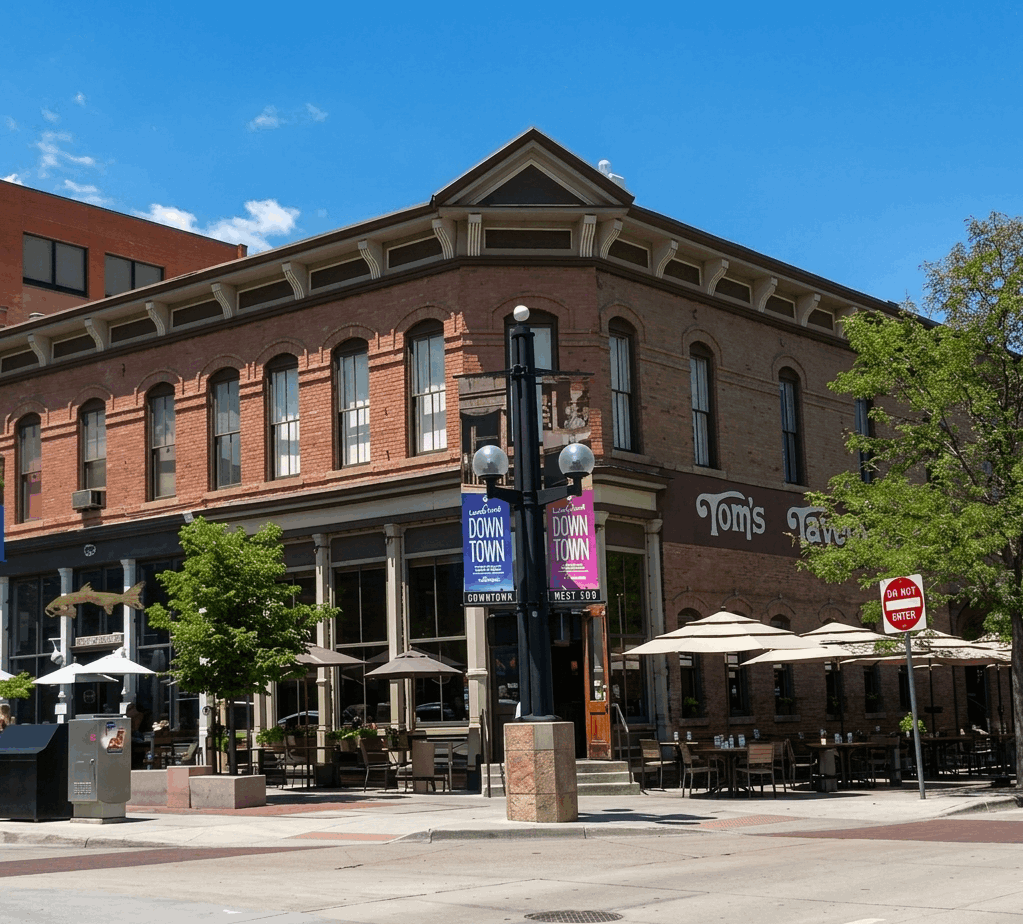
The "quietly becoming" framing matters. Boulder isn't Scottsdale or Miami — cities that have seen dramatic, headline-making surges in their millionaire populations over the past decade. Boulder's wealth story is slower-building, more durable, and more deeply tied to the city's core identity: a world-class university, a constrained land supply, a booming tech and biotech sector, and a quality of life that's genuinely hard to replicate.
Kiplinger has documented Boulder as one of America's notable millionaire addresses for years, pointing to major employers like Google — which operates a $131 million campus here — alongside aerospace anchors Lockheed Martin and Northrop Grumman, and nearly 100 bioscience firms including AstraZeneca and Medtronic. Colorado's flat 4.9% personal income tax rate adds financial appeal on top of the lifestyle draw. These aren't the ingredients of a flash-in-the-pan wealth migration story. They're the infrastructure of a city that has been building its high-net-worth profile steadily for decades.
The 2026 ranking reflects something real: wealthy buyers who have the flexibility to live anywhere are continuing to choose Boulder — and they're doing it for reasons that don't go away when the market cools or mortgage rates rise.
The Lifestyle Case: What Millionaire Buyers Are Actually Buying
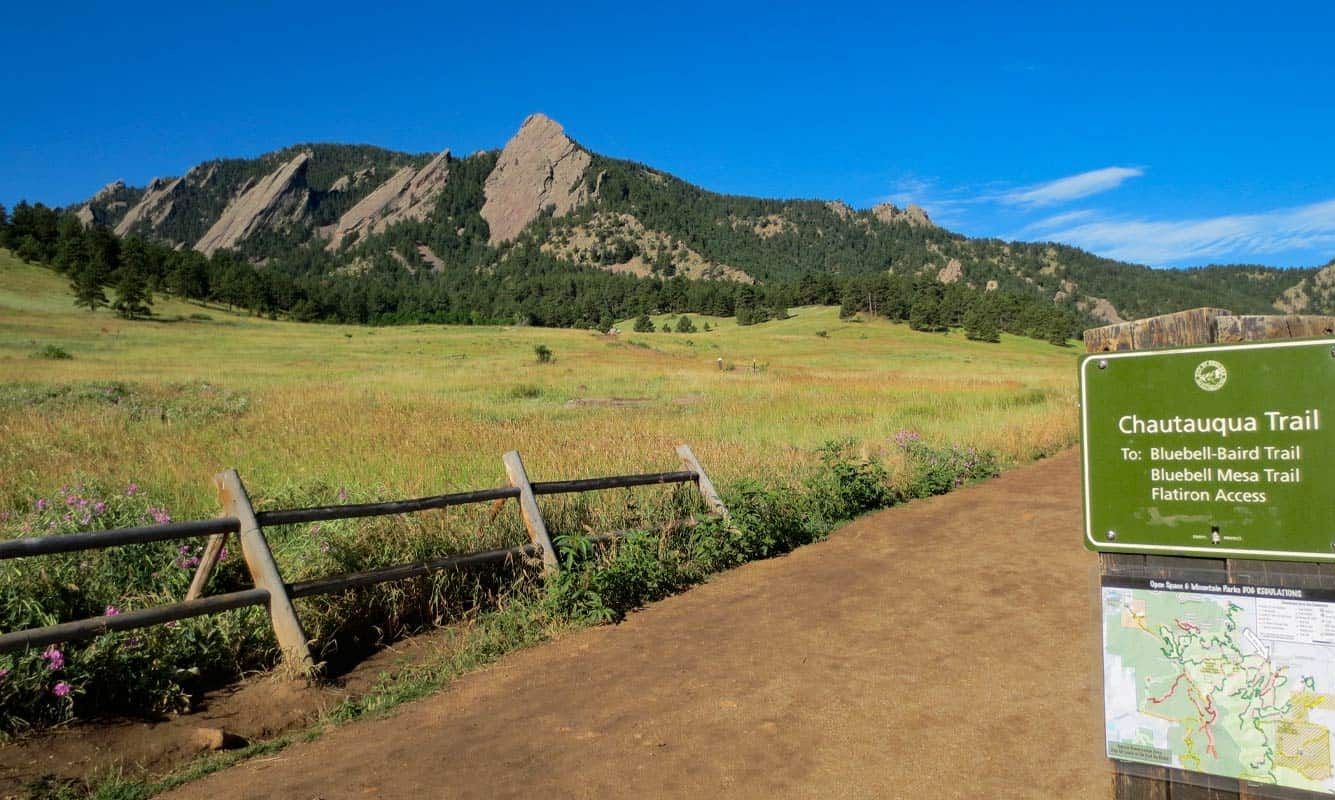
When high-net-worth buyers look at Boulder, they're not buying a zip code. They're buying a daily experience that's genuinely hard to find anywhere else in the country at any price point.
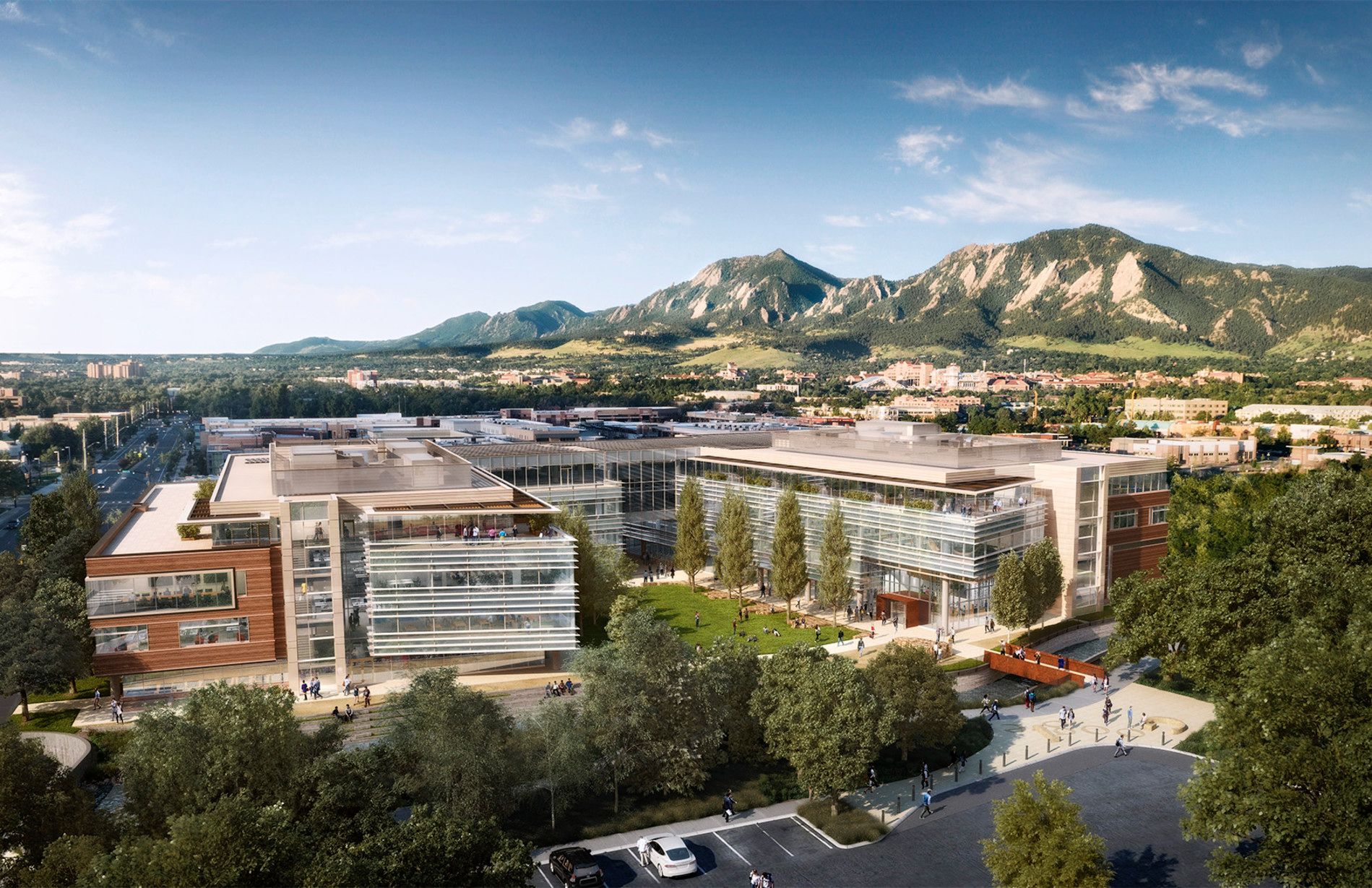
Within a few blocks of most Boulder neighborhoods, you can be on a world-class trail system. Chautauqua Park puts you at the base of the Flatirons in minutes. The Sanitas and Mount Sanitas trails are practically in-town. The entire Front Range trail network is accessible in under 30 minutes. For buyers coming from coastal cities, the ease of access to serious outdoor recreation — without the two-hour drive that defines mountain access for most Colorado resort-area buyers — is genuinely transformative.
Layer on top of that the walkability of Pearl Street, the dining scene that punches well above Boulder's 100,000-person size, highly rated schools within Boulder Valley School District, and a cultural calendar anchored by the Colorado Shakespeare Festival, Chautauqua Summer Series, and the Conference on World Affairs — and you have a city that justifies premium real estate pricing on purely experiential grounds, before you even get to the investment fundamentals.
This is why Boulder consistently attracts what some analysts call "lifestyle buyers" — high earners and high-net-worth individuals for whom the financial decision and the life decision are inseparable.
What the Boulder Market Actually Looks Like Right Now
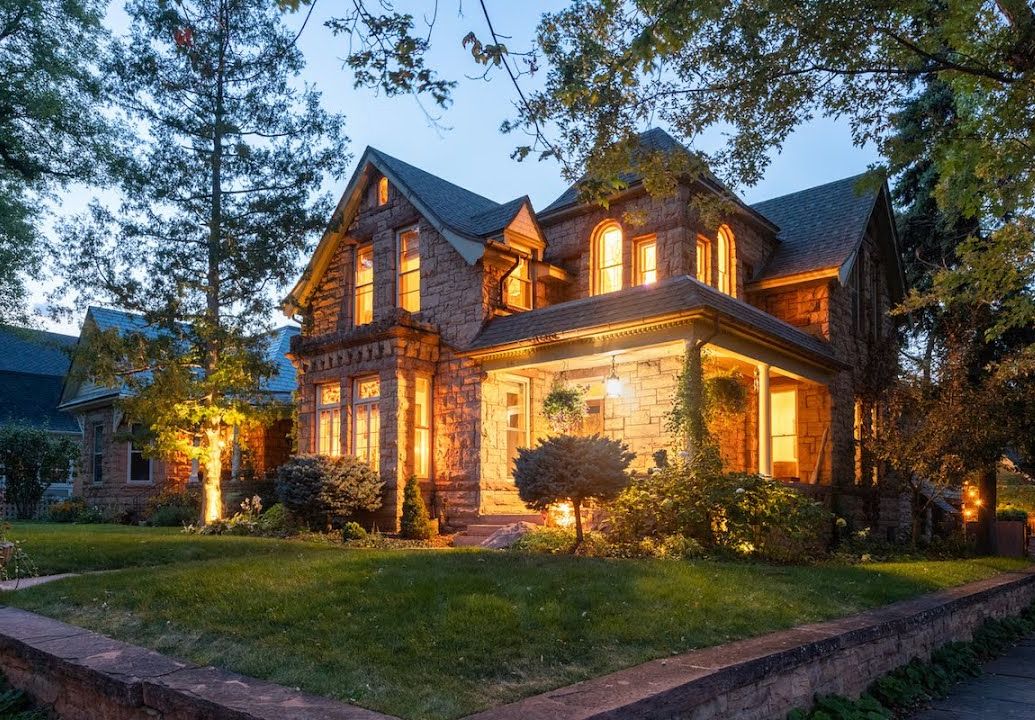
Boulder's median sale price sits in the $915,000–$970,000 range as of mid-2026, depending on the data source and segment — with the luxury single-family market running well above $1 million in neighborhoods like Mapleton Hill, Chautauqua, and the Flatirons foothills. The market has moved toward more balance compared to the frenzy years of 2021 and 2022: inventory is up roughly 32% year-over-year as of spring 2026, homes are averaging 50–80 days on market, and properties are generally selling at around 97–98% of asking price.
That's not a distressed market. It's a healthy, normalizing one — and for buyers who sat out the past few years waiting for conditions to improve, it's a meaningful shift. Well-priced homes in desirable neighborhoods still move. Overpriced ones sit. That dynamic creates real opportunity for buyers who are prepared and working with someone who knows the submarkets.
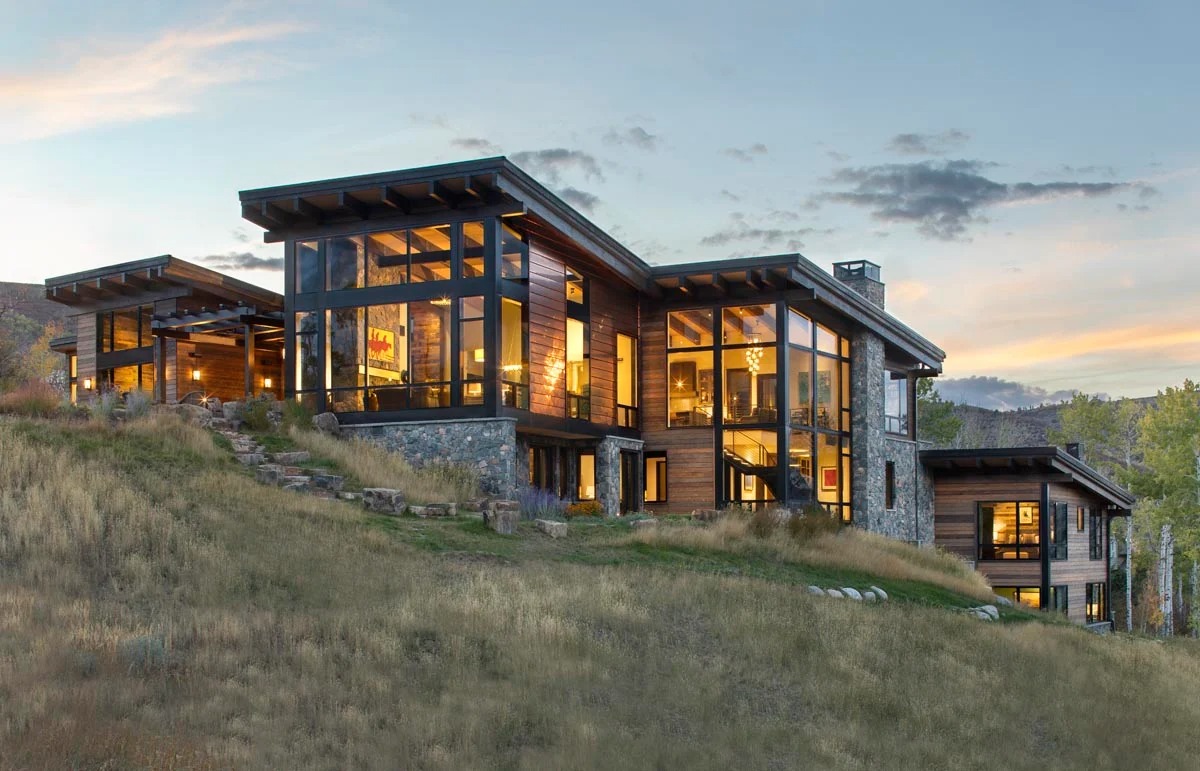
For context on what that price range actually gets you: in Boulder, the $600,000s can access quality condos and townhomes in areas like Boulder Junction and Gunbarrel. The $900,000–$1.2M range opens up single-family homes with character — Craftsman bungalows in Newlands, brick ranches in Martin Acres, contemporary builds in East Boulder. Above $1.5M, you're looking at the historic homes on Mapleton Hill, mountain-modern architecture in Pine Brook Hills, and the kind of Flatirons-view properties that photos can't fully capture.
The Investment Case: Why Long-Term Value Holds
Boulder's real estate fundamentals are not complicated. Supply is structurally constrained by open space protections that aren't going anywhere. Demand is anchored by a major research university, a significant employer base, and a lifestyle profile that continues to attract high-income buyers. The result — over every meaningful time horizon in the past three decades — has been appreciation that outpaces most comparable markets.
The millionaire hub designation reinforces something investors already know: when wealthy buyers have discretionary demand — meaning they don't have to move, they want to — they tend to prioritize places that hold value and offer quality of life. Boulder has both. That's not a trend. It's a structural characteristic of this market.
In many cases, the buyers driving Boulder's upper-tier market are not primarily motivated by short-term price appreciation. They're buying a home they plan to actually live in, in a city they genuinely want to be part of. That motivational profile is one of the reasons Boulder's market weathers broader real estate cycles more gracefully than most.
What This Means If You're Buying, Selling, or Watching
If you're a buyer who has been watching Boulder real estate from the sidelines, the millionaire hub recognition is a signal worth taking seriously — not because it changes your buying strategy, but because it confirms the underlying demand thesis. The people choosing Boulder have the means to choose anywhere. They keep choosing here.
If you're a seller, national attention of this kind supports your positioning. Buyers who are researching Boulder as a relocation destination from out of state — and there are more of them every year — are coming in informed and motivated. Your home's story, its neighborhood context, and its connection to the Boulder lifestyle are all legitimate selling points when your buyer pool includes people who have genuinely done their homework.
And if you're an investor keeping an eye on the Boulder real estate market, the combination of constrained supply, a growing high-net-worth buyer base, and steady institutional employer anchors continues to make this one of the most compelling long-term holds in Colorado.
It's always best to consult with a local real estate professional who can connect the broader narrative to the specifics of your situation — price point, neighborhood, timing, and goals. If you're curious about what I'm seeing right now, I'm always happy to talk.
FROM OUR BLOG


Boulder Without a Car: Walkable, Bikeable, and Transit-Friendly Things to Do
If you are considering Boulder without a car, the useful question is not simply, “Is Boulder walkable?” It is whether the places you actually use can be connected comfortably by walking, biking, and transit from a specific address. Boulder gives car-free and car-light residents more infrastructure t

Best Places to Stay in Boulder by Travel Style
Choosing where to stay in Boulder is less about finding one universally “best” hotel and more about matching your lodging to what you actually plan to do. A downtown stay makes it easier to walk to Pearl Street restaurants and shops. A cottage at Chautauqua puts hiking outside your door. A suite wit
Luxury Home Selling Guide for Boulder, Colorado
Selling a luxury home in Boulder is largely an exercise in reducing uncertainty around a property that may have few true comparables. A custom foothills residence, architect-designed city home, extensively renovated historic property, or large parcel in unincorporated Boulder County cannot always be