

A thorough Boulder home inspection should include the standard structure-and-systems review plus several Colorado-specific checks: radon testing, a sewer scope, careful foundation and drainage evaluation, and a detailed roof assessment. Depending on the property, buyers should also investigate floodplain status, wildfire exposure, permits, septic or well records, and the condition of major mechanical systems.
Key Takeaways

- Test for radon rather than guessing. Boulder County says about one in two local homes has elevated radon, and the county is in EPA Zone 1.
- Order a sewer scope when the line’s condition is unknown. In the City of Boulder, the property owner is responsible for the service line through its connection to the city main.
- Look at drainage and soil movement together. Expansive clay can swell when wet and shrink when dry, so grading, gutters, irrigation, and foundation observations belong in the same conversation.
- Treat the roof as both a building and insurance question. Confirm condition, installation history, permits, prior repairs, and insurability before your contractual deadlines.
- Expand the inspection for the property. A foothills home, an older central Boulder house, a newer Erie property, and a rural Boulder County acreage do not need identical due diligence.
Best for
This checklist is useful for buyers, relocating families, first-time purchasers, investors, and homeowners preparing to sell in Boulder, Louisville, Lafayette, Longmont, Superior, Erie, Broomfield, and surrounding Front Range communities.
Not ideal for
A checklist is not a substitute for qualified inspectors, engineers, roofers, plumbers, mitigation contractors, insurance professionals, or legal advice. A general home inspection provides a broad assessment; it may not answer specialized questions about structure, sewer condition, environmental hazards, or insurability.
What Should a Boulder Home Inspection Include?
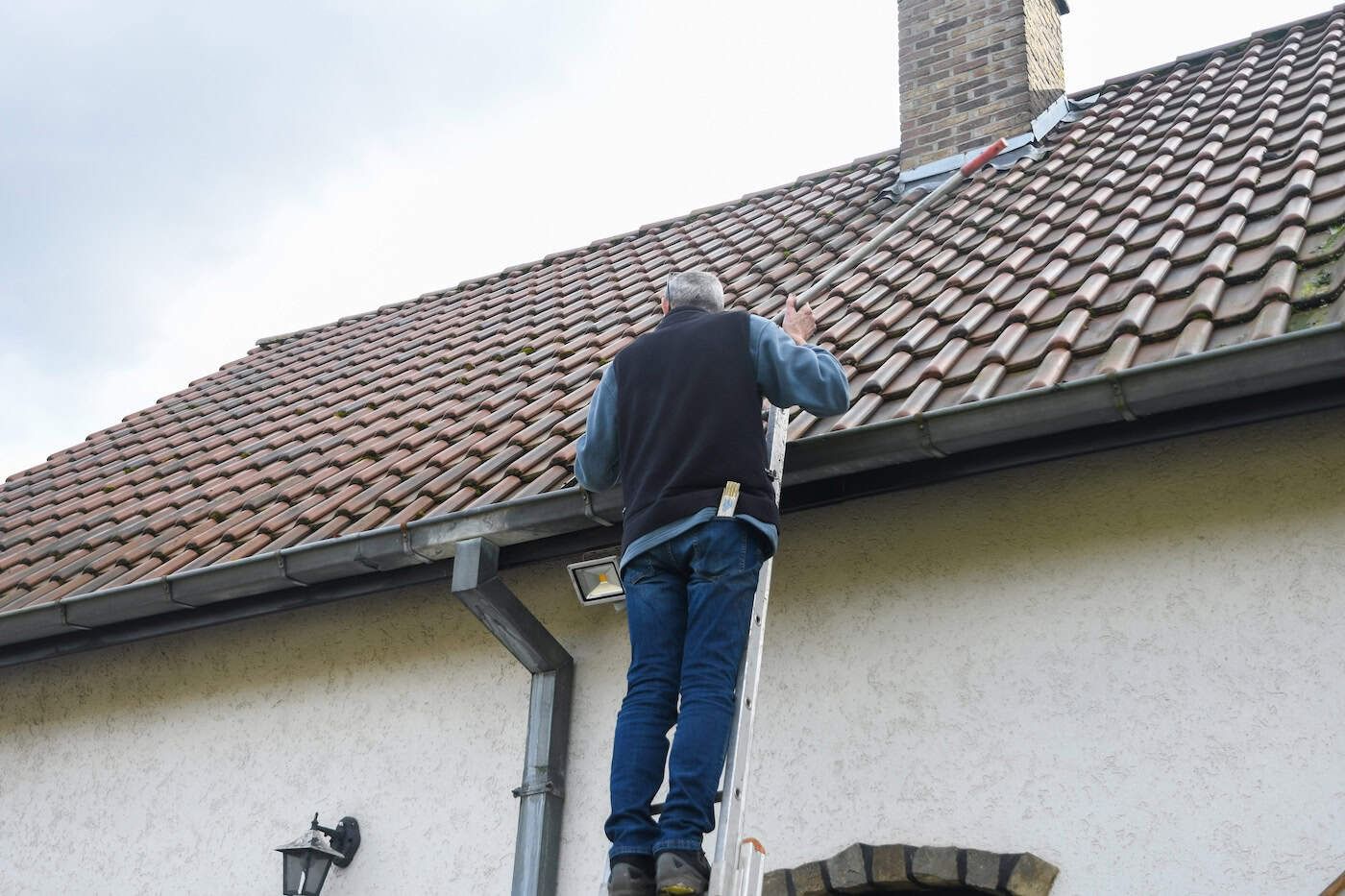
Start with a qualified general inspection of the visible structure, major systems, attic, exterior, drainage, and safety items. Add specialty inspections based on the home’s age, location, construction, disclosures, and warning signs. Schedule specialists early because contractual inspection periods can move quickly.
1. Radon Testing in Boulder County
Radon is an odorless, invisible radioactive gas, and testing is the only way to know a home’s level. The EPA recommends testing homes, while Boulder County identifies the area as high-risk and uses 4.0 pCi/L as the action-level benchmark.
For a purchase, ask:
- Was the home tested under appropriate closed-building conditions?
- Is there an existing mitigation system?
- Is the fan operating, and is the system properly labeled and vented?
- Is there a post-mitigation test showing performance?
- Does the lowest livable level—including a finished or potentially finishable basement—need testing?
Do not assume a newer home, slab-on-grade home, or neighboring property’s result predicts this home’s result. If mitigation is needed, Boulder County recommends using an appropriately qualified contractor, confirming applicable permits, and obtaining a performance commitment below 4.0 pCi/L.
2. Sewer Scope Inspection
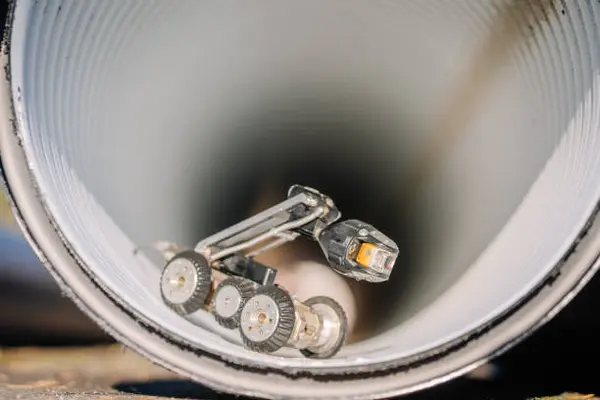
A sewer scope uses a camera to examine the private service line from the home toward the public main or septic system. It can identify cracks, offsets, root intrusion, standing water, deterioration, or sections that could not be fully viewed.
A scope is especially worth considering when:
- The home or sewer line is older.
- The line material and replacement history are unknown.
- Mature trees are near the route.
- There have been backups, slow drains, or repeated cleanouts.
- The property has additions, extensive landscaping, or hardscape over the line.
In Boulder, ownership responsibility makes this more than a plumbing detail: the city states that the customer is responsible for the service line up to and including the connection to the city main. Rules and utility boundaries can differ in Louisville, Lafayette, Longmont, Superior, Erie, Broomfield, sanitation districts, and unincorporated areas, so verify the applicable provider.
Ask the technician to document the line material, approximate distance, defects, cleanout access, and whether the camera reached the connection. Keep the video, not just a verbal summary.
3. Foundations, Expansive Soils, and Drainage
Front Range foundation questions are rarely answered by looking at one crack. Expansive soils can change volume with moisture, and Colorado guidance emphasizes controlling water near foundations through appropriate landscaping and roof drainage.
Your inspector should evaluate:
- Foundation walls, slabs, posts, beams, and crawlspace supports.
- Crack location, direction, width, displacement, and evidence of repair.
- Sloping floors, binding doors, separated trim, or distorted openings.
- Grading, gutters, downspouts, window wells, and drainage paths.
- Irrigation or planting beds that keep soil wet beside the foundation.
- Retaining walls, patios, driveways, and exterior flatwork that direct water toward the home.
Minor cracking is common and not automatically a structural defect. The question is whether multiple observations suggest active or material movement. When they do—or when prior structural work appears in disclosures—bring in a Colorado-licensed structural engineer rather than relying on repair estimates from a contractor who is also selling the repair.
4. Roof Inspection for Front Range Conditions
A roof review should cover more than estimated age. Ask the inspector or roofing specialist to evaluate the covering, flashing, valleys, penetrations, skylights, vents, gutters, attic sheathing, signs of leakage, prior patching, and evidence of storm-related damage.
Also verify:
- Installation or replacement date.
- Permit and final-inspection history where available.
- Transferable warranties and paid invoices.
- Number of roof layers, when relevant.
- Compatibility with solar panels or other roof-mounted equipment.
- Whether an insurance carrier will accept the roof in its current condition.
The City of Boulder provides public tools for searching permit and property records, which can help confirm whether documented work matches the seller’s information.
A roof may be functional yet still create an insurance or near-term budgeting issue. Contact an insurance professional early enough to understand coverage requirements before your inspection and insurance deadlines expire.
5. Plumbing, Electrical, HVAC, and Moisture
For the major systems, focus on safety, remaining serviceability, installation quality, and evidence of deferred maintenance.
Have the inspector check the electrical panel, grounding and bonding, visible wiring, outlets near water, plumbing supply and drain materials, water pressure, fixtures, shutoffs, water heater, furnace or boiler, air conditioning or heat pump, and combustion venting. Age alone does not determine condition, so match the scope to the property rather than the city or construction year.
Moisture deserves special attention. Inspect basements, crawlspaces, attics, window wells, bathrooms, kitchens, and areas below decks or roof transitions. Musty odors, staining, efflorescence, damaged finishes, or recent cosmetic work may justify moisture measurements or further evaluation.
6. Flood, Wildfire, Septic, Wells, and Permit History
Some of the most important due diligence happens outside the physical inspection.
Floodplain and drainage
The City of Boulder maintains an interactive floodplain map and offers property-specific flood documentation. Check the exact address; do not infer risk from the neighborhood name or distance from Boulder Creek.
Wildfire exposure
For foothills, mountain, grassland-edge, and some rural properties, examine roof and siding materials, vents, decks, vegetation, access, defensible space, and insurance availability. Boulder County’s Wildfire Partners program offers assessments for eligible properties and provides local home-hardening guidance.
Septic and well systems
Rural and unincorporated properties may need septic pumping, inspection, record review, water-quality testing, well-flow testing, and confirmation of permitted capacity. Boulder County provides searchable septic records and property resources.
Additions and renovations
Compare the current home with permits, final inspections, disclosures, and available plans. Pay particular attention to finished basements, converted garages, decks, additions, bedrooms, electrical upgrades, sewer replacements, and major structural or roof work. An attractive renovation is not the same as a documented, code-compliant project.
How Buyers Should Prioritize Inspection Findings

Do not negotiate from the page count of the report. Sort findings into five groups:
- Immediate safety concerns.
- Active water, sewer, roof, or structural problems.
- Major systems likely to require near-term work.
- Ongoing maintenance and monitoring.
- Cosmetic or preference items.
The goal is not to make an older home perform like new construction. It is to understand material risk, ownership cost, and whether the home still fits your budget and plans.
Should Sellers Get a Pre-Listing Inspection?

A pre-listing inspection can help a seller identify surprises and decide what to address before marketing, especially when there are age-related issues, prior water events, an older sewer line, or deferred maintenance.
It is not always the best choice. Targeted evaluations such as a roof review, sewer scope, radon retest, or engineer letter may provide better clarity. Sellers should discuss disclosure obligations, timing, and likely buyer expectations before ordering inspections.
Local Guidance for a Better Inspection Process

Boulder-area due diligence should match the property, not a standard package. A home near the foothills may need wildfire and drainage review. A rural property may require septic, well, access, and outbuilding inspections. An older in-town home may justify a sewer scope, chimney review, permit research, and closer evaluation of previous remodeling.
Eric Farran helps buyers and sellers organize these questions around the home, contract, location, and long-term ownership plan. For practical guidance on Boulder, Boulder County, and Front Range real estate, contact Eric before making inspection decisions or responding to findings.
FAQ Section
Is radon testing necessary when buying a home in Boulder?
It is strongly advisable. Boulder County reports that approximately half of local homes have elevated radon, and testing is the only way to determine the level in a specific property.
Should I order a sewer scope for a Boulder home?
Often, yes—especially when the line’s age, material, or history is unknown. A scope is also useful when mature trees, prior backups, or older construction create additional uncertainty.
Are foundation cracks common in Colorado homes?
Cracks can occur for many reasons and are not automatically serious. Evaluate the pattern, displacement, related movement, drainage, and repair history; use a structural engineer when the observations suggest more than routine shrinkage.
Does a general home inspection include the roof?
Usually, the visible roof condition is included, subject to access and safety limitations. A separate roofing evaluation may be appropriate when there is storm damage, leakage, an older covering, prior repairs, or an insurance concern.
Do new-construction homes need an inspection?
Yes. New construction can still have incomplete work, installation defects, drainage issues, or items that should be corrected before closing or during the builder warranty period.
Who pays for repairs after a Colorado home inspection?
Repair responsibility is negotiable and depends on the contract and the parties’ agreement. Buyers may request repairs, credits, price changes, additional information, or other remedies permitted by their contract.
How much does a Boulder home inspection cost?
Pricing varies by property size, age, location, scope, and specialty services. Request itemized quotes for the general inspection, radon test, sewer scope, and any additional specialists so you can compare the full due-diligence cost.
FROM OUR BLOG

Best Easy Hikes Near Boulder for Beginners: Scenic, Low-Effort Trails
You do not have to climb Mount Sanitas or scramble toward the Flatirons to get a memorable Boulder hiking experience. Some of the best easy hikes near Boulder are short meadow walks, creek paths, lake loops, and open-space trails where the scenery arrives long before the elevation gain does. That di
CU Boulder Visitor Guide for Parents and Prospective Students
A productive CU Boulder visit should answer two questions: Does the university fit the student academically, and does Boulder make sense as the place where that student will actually live? The formal campus tour helps with the first question. To answer the second, parents and prospective students sh

Best Boulder Coffee Shops for Remote Work: 2026 Local Guide
Finding good coffee in Boulder is easy. Finding a cafe where you can reliably get through a two-hour writing session, video-free work block or afternoon of email is more complicated. Wi-Fi policies differ, outlet availability matters, some popular shops fill quickly, and a cafe that works well on Tu