
One of the biggest misunderstandings in probate real estate is this: the closest family member does not automatically have the right to sell the home.
In many cases, the person with authority is the personal representative of the estate. Colorado probate instructions define the personal representative as the person appointed to administer the estate, and the court-issued Letters are proof of that authority.
For Boulder families, that distinction matters early. Before the home is cleaned out, before repairs are scheduled, before pricing is discussed, it helps to know exactly who is legally allowed to sign and act.
The personal representative is usually the key decision-maker
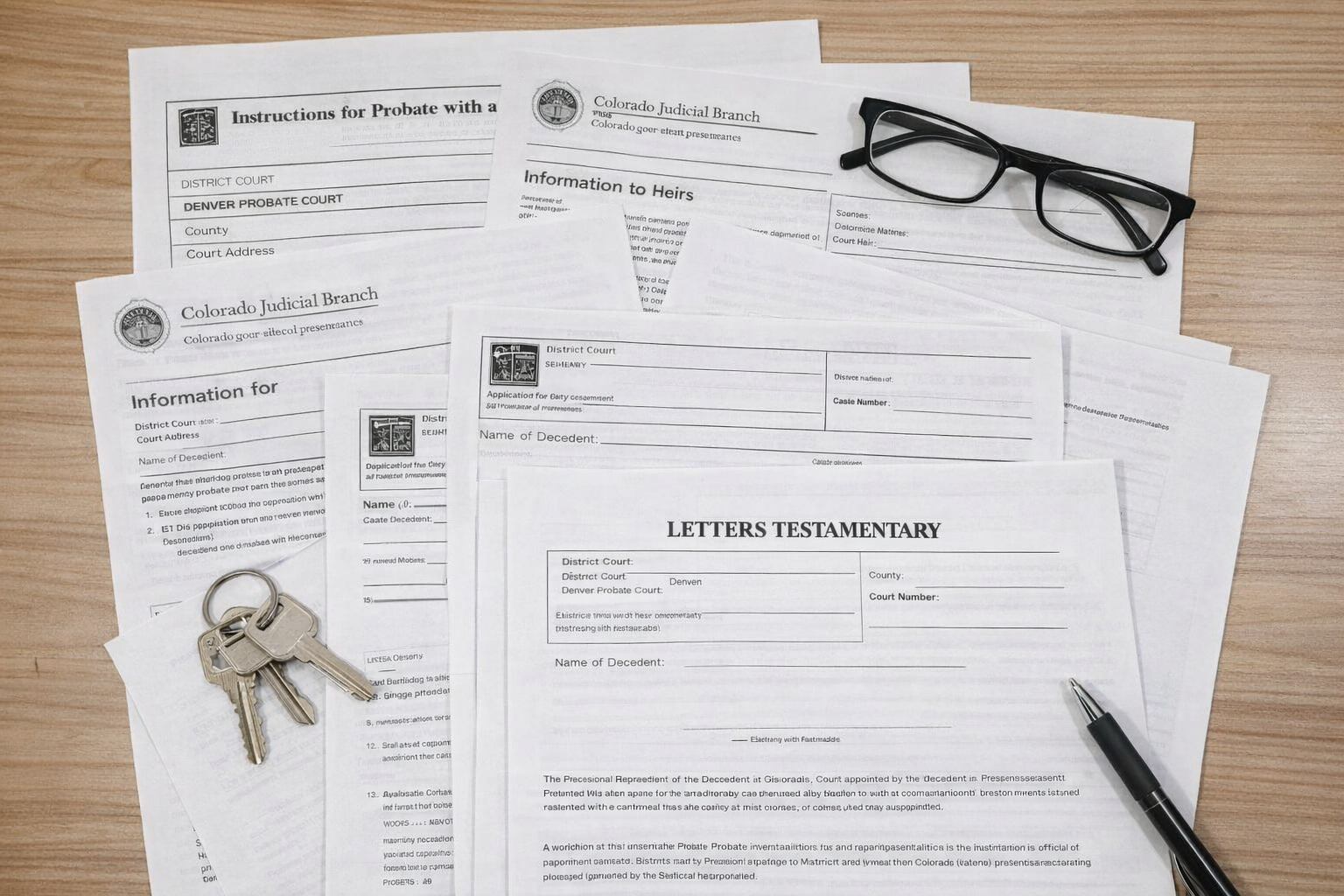
Colorado’s probate instructions are clear that the personal representative is responsible for administering the estate, including collecting assets, valuing them, paying claims, and distributing what remains according to law. The same instructions say the Letters issued by the court are evidence of appointment and proof of authority to act on behalf of the estate.
That is the practical answer most sellers need. If you are asking who signs the listing paperwork, who approves offers, or who signs closing documents, the answer is generally the personal representative acting for the estate.
What family members often get wrong

It is common for several heirs to feel equally responsible for the property. Emotionally, that makes sense. Legally, it can be more narrow.
A daughter may live closest. A sibling may have the most time. One heir may be handling the clean-out. Another may be paying utilities. None of that automatically creates authority to sell. In many cases, the estate still needs the court-recognized personal representative to act. That is why probate sales can stall when families are aligned emotionally but not organized legally.
Generally speaking, this is where calm communication matters. The more clearly everyone understands the role, the easier it is to move from family discussion to an actual Boulder real estate plan.
Does the court always have to approve the sale?
Not always in the same way. Colorado allows estates to be opened informally or formally. Informal probate can allow appointment of a personal representative without prior notice to interested persons if the nominee has priority. Formal probate involves notice, the opportunity for objections, and more court review.
So the level of court involvement can vary. Some probate sales move forward fairly smoothly once the right person is appointed. Others involve more court oversight because the estate is contested, the will is unclear, or the family situation is more complex.
It is best to consult a probate attorney for specifics on court approval, especially if heirs disagree or the estate is already in formal proceedings.
Sometimes probate authority is not the issue at all
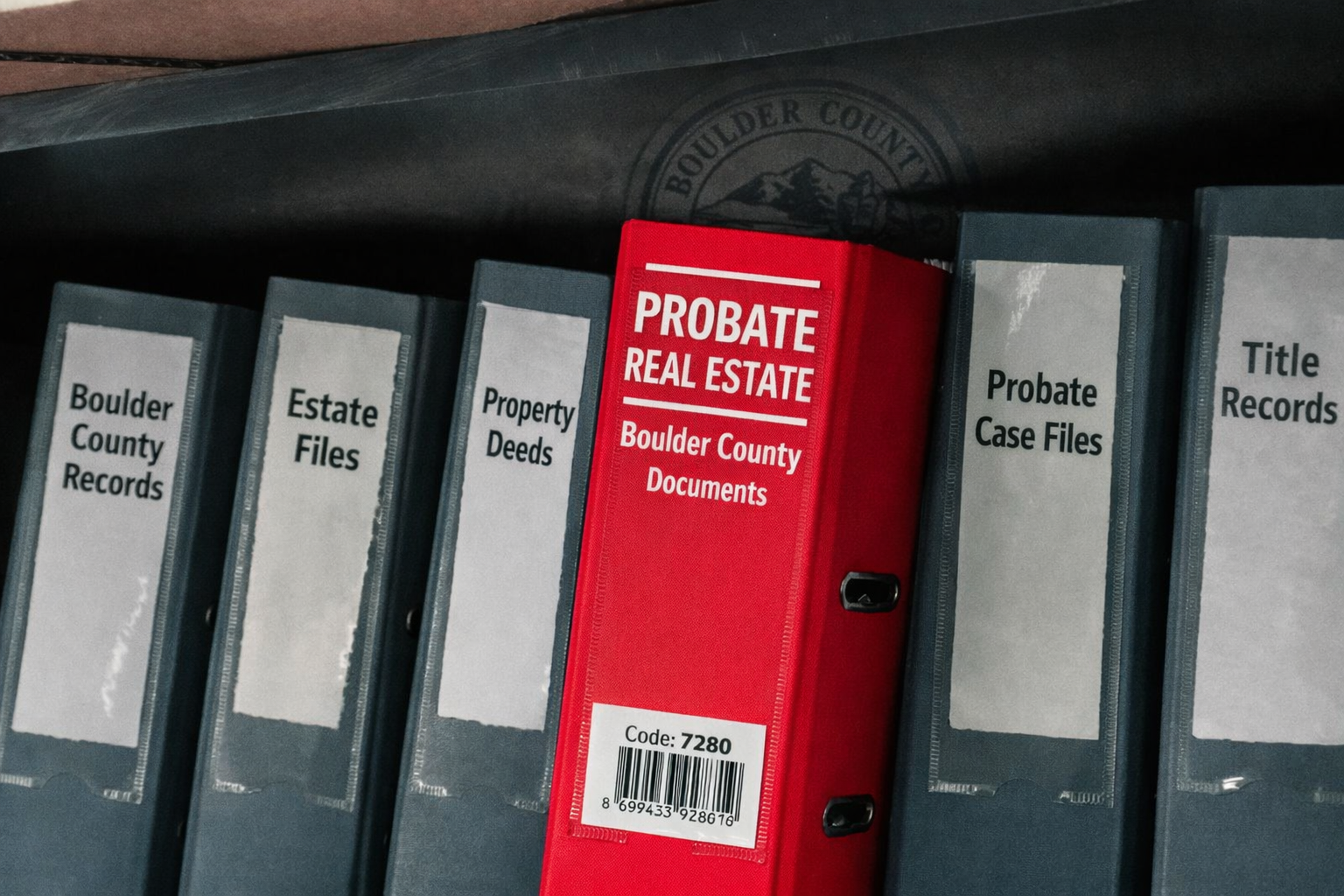
A useful wrinkle here: some homes never need probate authority for transfer because they were not probate assets to begin with. Colorado’s probate instructions say real estate held in joint tenancy with a surviving joint tenant, or titled with a beneficiary deed, is not counted the same way for probate filing purposes. They also note that property owned with right of survivorship passes to the remaining co-owner without the necessity of probate.
That is one reason title review matters so much. Before anyone assumes the house is a probate property, it helps to confirm how the home was actually titled.
Why working with the right Boulder agent helps
A good probate real estate agent is not there to practice law. The role is more practical than that: understand who can sign, coordinate with the attorney and title company, price the home correctly, and keep the transaction from turning messy because of preventable confusion.
In Boulder, that matters. Whether the property is a longtime family home in Newlands or an investment condo near campus, the market still responds to the same fundamentals: preparation, presentation, and clean execution.
Final thoughts
If you are asking who has the authority to sell a probate property in Boulder, the safest answer is this: usually the court-appointed personal representative, not simply a family member who steps forward first. The Letters issued by the court are what prove that authority.
Once that part is clear, the rest of the sale gets much easier to organize.
FROM OUR BLOG


Boulder Rental License Requirements 2026: Fees, Inspections & How to Apply
Renting out a home in Boulder involves more than finding a tenant, setting a monthly rent, and signing a lease. Before most residential properties inside Boulder city limits can legally be advertised or rented, the owner must obtain a rental housing license from the City of Boulder. That requirement

Boulder Homeowners Insurance 2026: Wildfire, Hail & What Buyers Need to Know
Buying a home in Boulder involves more than finding the right neighborhood, negotiating a purchase price, and qualifying for a mortgage. There is another important consideration that can affect both the monthly cost of ownership and the ability to complete a purchase: homeowners insurance. In Boulde

Boulder Down Payment Assistance 2026: How First-Time Buyers Can Get Up to $100,000
For many Boulder buyers, the challenge is not simply qualifying for a monthly mortgage payment. It is getting enough cash together for the down payment, closing costs, reserves, and everything else that comes with buying a home in one of Colorado's more expensive housing markets. What many buyers do