
If you’re wondering who gets the house in a Colorado divorce, the answer is rarely as simple as whose name is on the deed. Here’s what Boulder homeowners should know about property division, equity, mortgage responsibility, and what often happens next.

One of the biggest questions in any divorce is also one of the most personal: who gets the house?
For Boulder homeowners, that question can feel especially loaded. Real estate here is not just expensive. It is deeply tied to lifestyle, schools, neighborhoods, and long-term wealth-building. But in Colorado, the answer is not usually based on emotion or who wants the home more.
Colorado’s divorce process is designed to divide shared property, assets, and debts, and a decree can approve a Property and Financial Agreement that lays out exactly how the home and related obligations will be handled. Colorado court materials also make clear that the agreement must address marital property and debts, not just who walks away with the keys.
1. The House Does Not Automatically Go to the Person on Title
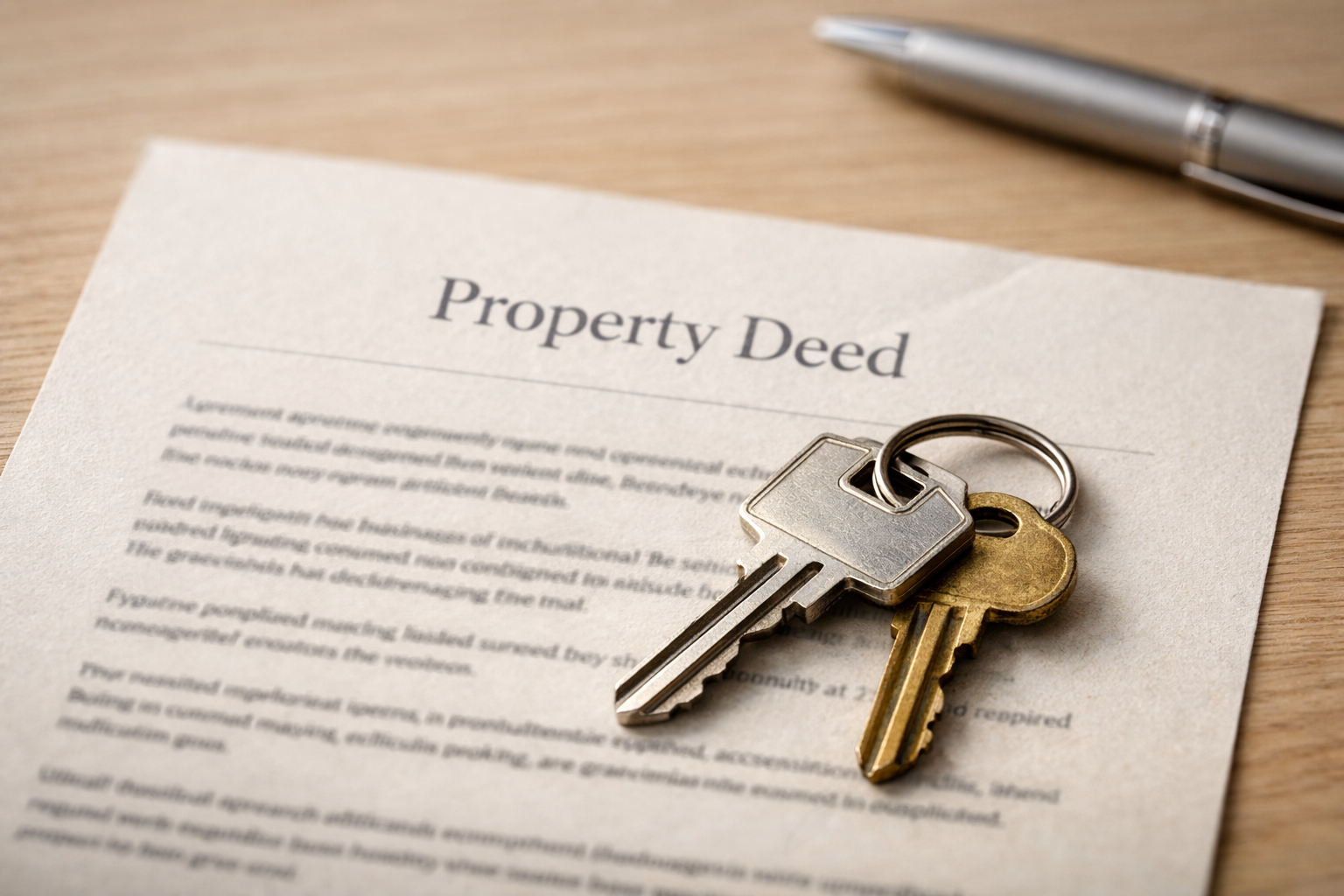
A lot of homeowners assume the house belongs to whoever is on the title or mortgage. In reality, that is only part of the story.
Colorado court materials focus on dividing marital property and debts as part of the overall case, and Colorado appellate materials note a statutory presumption that property purchased during the marriage is marital property.
That means the conversation is usually bigger than:
- whose name is on the deed,
- who made the mortgage payment,
- or who wants to stay.
It is about the full financial picture.
2. Equity, Debt, and Practicality All Matter

In real life, who gets the house often comes down to a few practical questions:
- Is there enough equity to make a buyout possible?
- Can one person realistically afford the home on their own?
- Would selling create a cleaner financial outcome?
- Are there children, school district concerns, or timing issues involved?
Sometimes one spouse keeps the home and offsets that with other assets. Sometimes the property is sold and the proceeds are divided. Sometimes one person keeps the home temporarily, and the sale happens later.
For Boulder homeowners, the affordability question is a big one. Keeping a home in North Boulder, South Boulder, Table Mesa, or near downtown might sound ideal, but it still has to work on paper.
3. The Mortgage Matters Just as Much as the House

Here is the part people often miss: getting the house and being responsible for the mortgage are related, but they are not the same thing.
Colorado’s Property and Financial Agreement warns that shared debts, including home loans, remain joint until paid off or refinanced into one person’s name, and that a lender does not have to release someone from the debt just because the divorce agreement says so.
So if one person is keeping the house, the real question becomes:
Can they also keep the loan, qualify for a refinance, or work out another lender-approved solution?
That is where strategy matters. A Boulder homeowner who wants to stay may still decide that selling is the smarter move if the financing path is shaky.
4. If Ownership Changes, Make Sure the Paperwork Changes Too

If the home is awarded to one spouse or transferred as part of the divorce, ownership records need to match reality.
Boulder County’s Recording Division records real estate documents, including warranty deeds and quit claim deeds, and it provides the local process for recording those documents for public notice.
That does not mean every case is complicated. It just means the legal agreement, title work, and real estate paperwork all need to stay aligned.
Final Thoughts
So, who gets the house in a Colorado divorce?
Usually, the answer is whoever can make the overall deal work best, financially and practically. That may mean one person keeps the home. It may mean the house is sold. It may mean the short-term emotional answer is different from the long-term smart answer.
For Boulder homeowners, the best move is the one that protects your equity, supports your future housing goals, and keeps the next chapter as clean as possible.
FROM OUR BLOG


Boulder Rental License Requirements 2026: Fees, Inspections & How to Apply
Renting out a home in Boulder involves more than finding a tenant, setting a monthly rent, and signing a lease. Before most residential properties inside Boulder city limits can legally be advertised or rented, the owner must obtain a rental housing license from the City of Boulder. That requirement

Boulder Homeowners Insurance 2026: Wildfire, Hail & What Buyers Need to Know
Buying a home in Boulder involves more than finding the right neighborhood, negotiating a purchase price, and qualifying for a mortgage. There is another important consideration that can affect both the monthly cost of ownership and the ability to complete a purchase: homeowners insurance. In Boulde

Boulder Down Payment Assistance 2026: How First-Time Buyers Can Get Up to $100,000
For many Boulder buyers, the challenge is not simply qualifying for a monthly mortgage payment. It is getting enough cash together for the down payment, closing costs, reserves, and everything else that comes with buying a home in one of Colorado's more expensive housing markets. What many buyers do