
If your lawn has looked a little stressed lately, you're not imagining it. Boulder entered a Drought Watch on April 1, 2026, and as of the city's annual May 1 water supply evaluation, that status is staying in place through the summer. The conditions driving it are real — hot temperatures, historically low snowpack, and one key watershed that lost its entire snow supply roughly six weeks ahead of schedule.
The good news: mandatory water restrictions are not in effect. The city's reservoir levels are holding at near-average levels for this time of year, and Boulder's diverse water supply system is giving it flexibility that many other Front Range communities don't have. What the city is asking for — genuinely and specifically — is voluntary conservation from residents and businesses throughout the summer. Not panic. Awareness.
For homeowners, renters, and anyone thinking about Boulder real estate, here's a clear picture of what's happening, what the rules are right now, and what you can realistically do about it.
Why Boulder Is in a Drought Watch Right Now
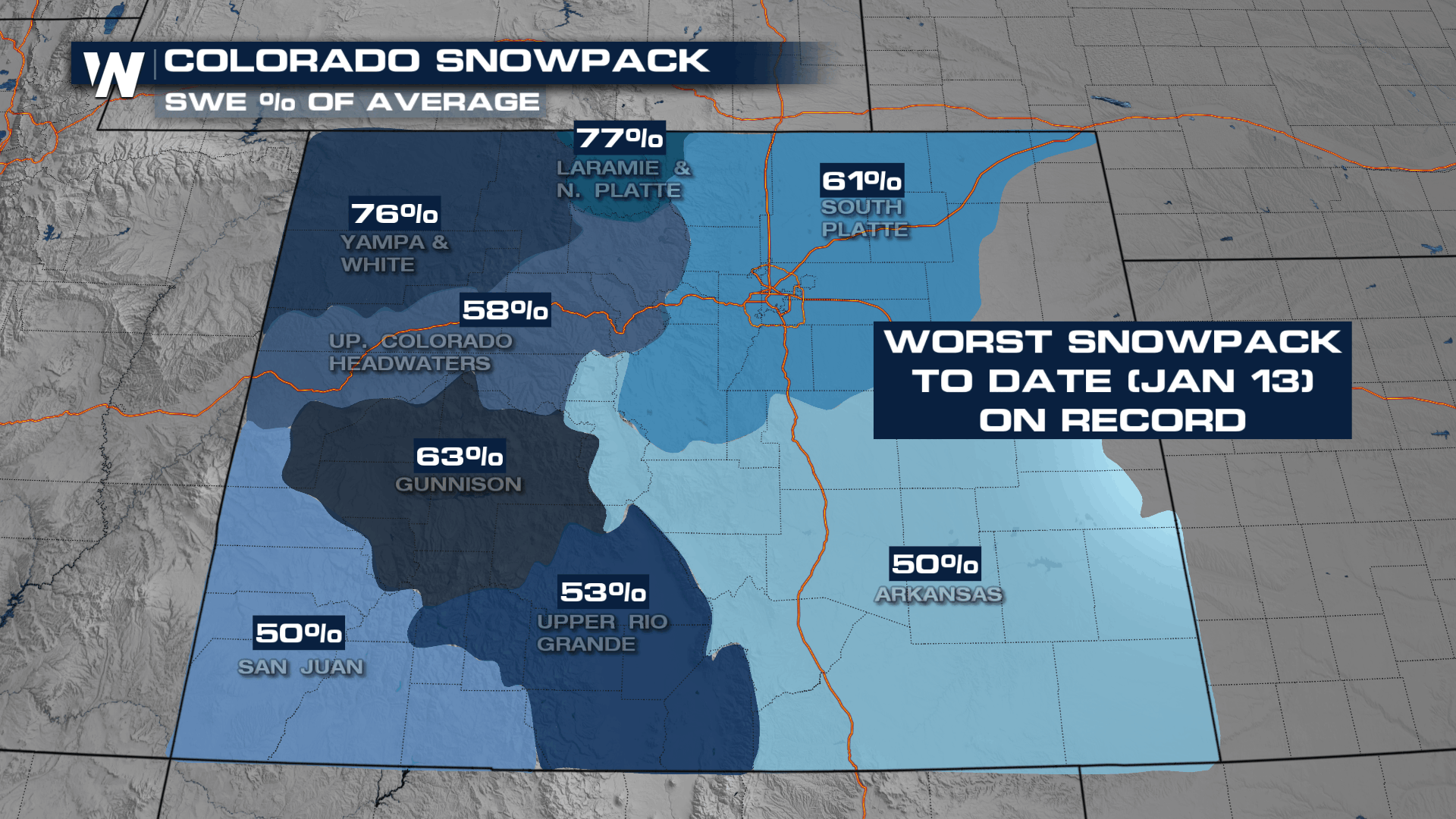
Colorado has had a rough water year. Snowpack in the river basins that supply Boulder's water came in at just 32% and 25% of normal — levels the city's own Water Resources Advisory Board described as historically low, comparable to 2002 and 2012, two of the driest years on record for the region. Middle Boulder Creek's snowpack melted out entirely about six weeks earlier than usual. Much of Boulder County is sitting in extreme drought conditions according to the U.S. Drought Monitor.
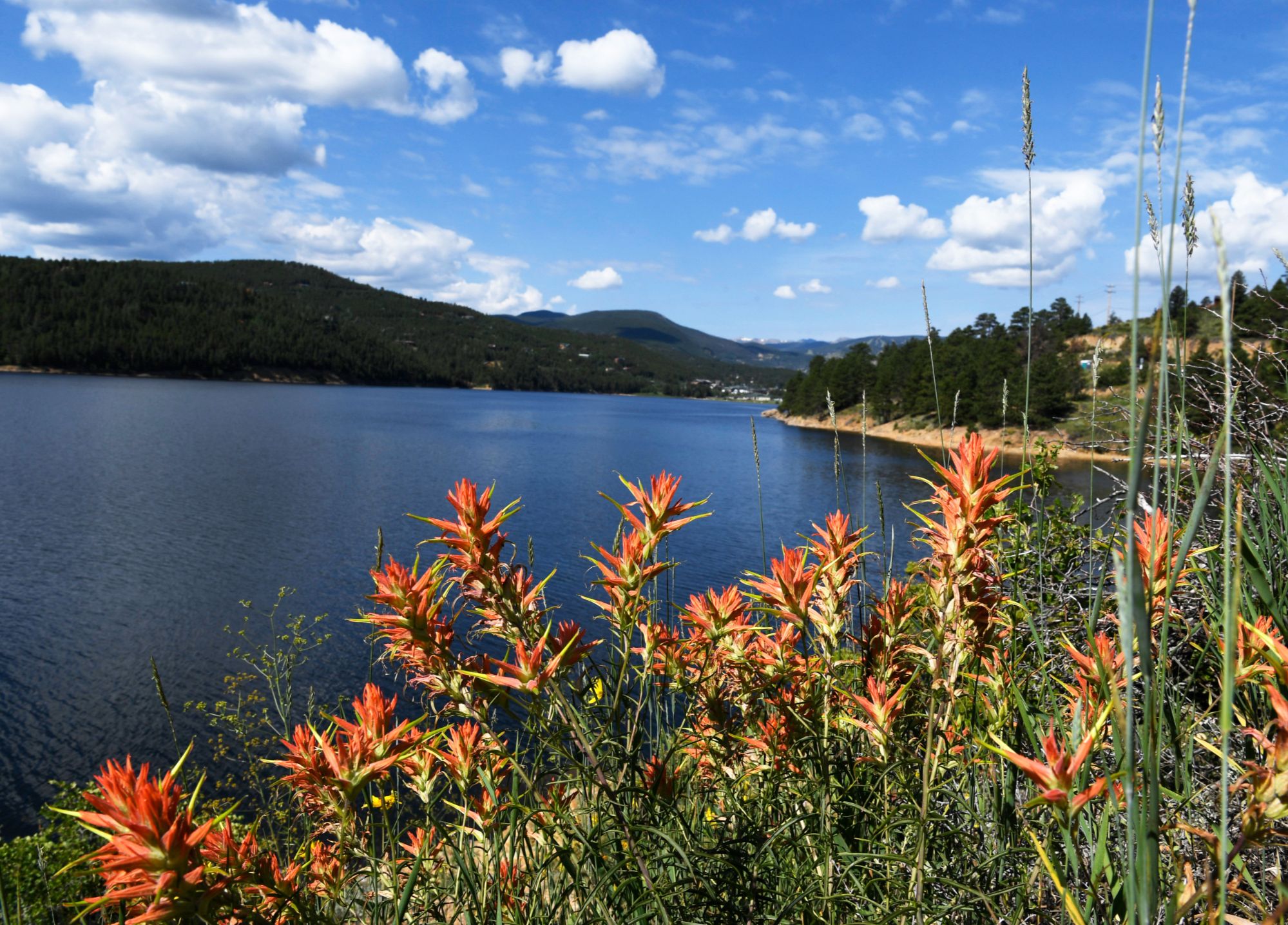
The city's water supply system is more resilient than most because it draws from multiple sources. Roughly two-thirds of Boulder's water comes from local mountain watersheds — Middle Boulder Creek and North Boulder Creek — with snowmelt filling reservoirs including Barker Reservoir near Nederland and the Silver Lake Watershed. The remaining portion comes from the Colorado-Big Thompson Project, a transmountain diversion system managed by Northern Water that moves water from the western slope of the Rockies to the Front Range. In dry years, the Colorado-Big Thompson allocation typically increases — and in 2026, Northern Water set the allocation at 80%, above the standard 70%. That flexibility is a genuine buffer.
But buffers have limits. With snowpack so low, city staff warned that reservoirs may or may not fill during spring runoff — and with peak summer heat still ahead, the city's Water Resources Manager Kim Hutton put it plainly: "The biggest unknown is how our community will respond to the heat."
What the Current Rules Actually Are
Drought Watch is the first tier in Boulder's four-level drought response system. It means voluntary conservation — no fines, no enforcement actions, no mandatory cutbacks. The city is simply asking residents to be thoughtful about water use, particularly outdoors.
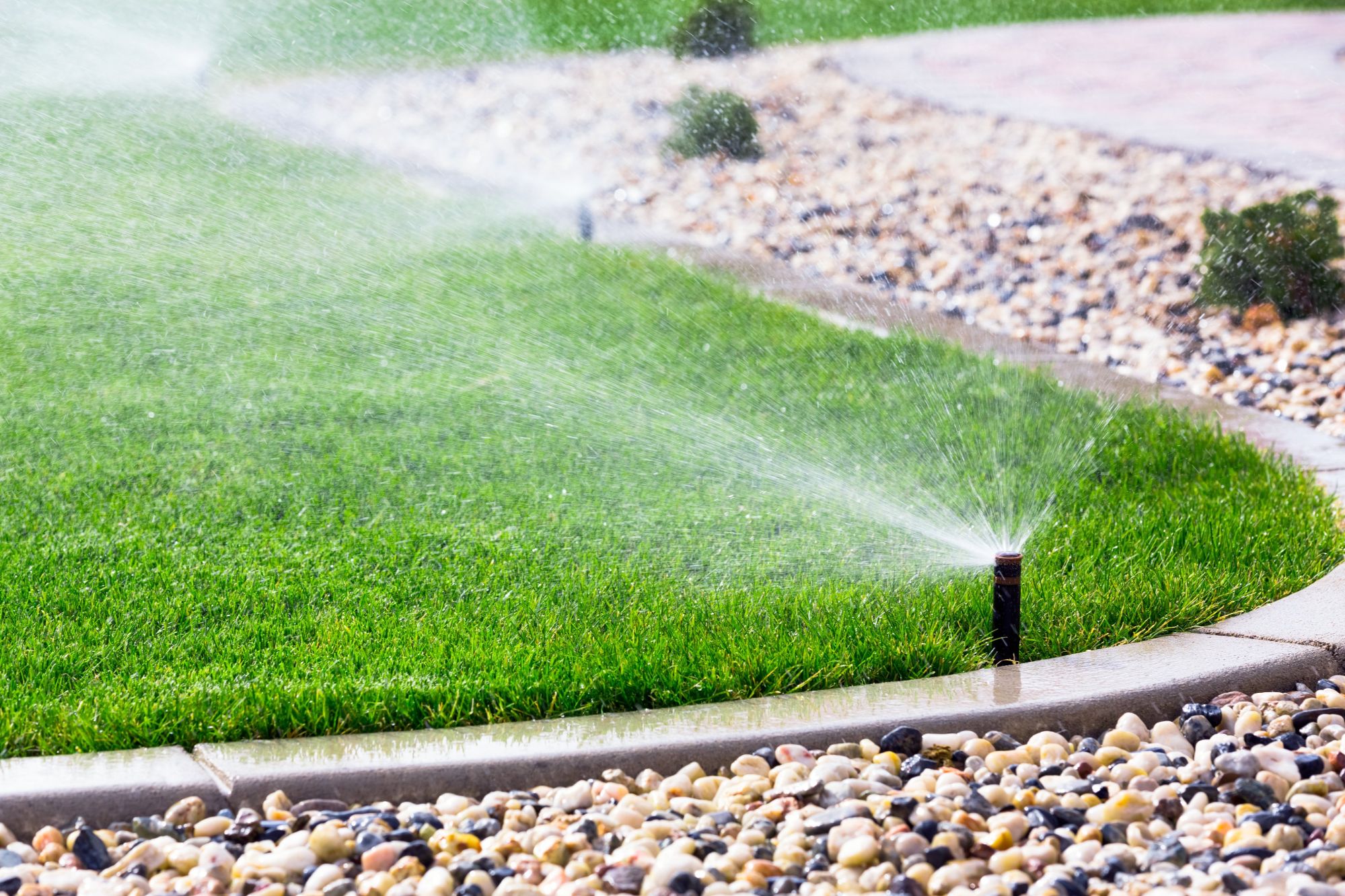
That said, one new rule does have teeth regardless of drought status. A new daytime watering rule approved in January prohibits watering lawns from 10 a.m. to 6 p.m. between May 1 and September 30. This applies to every property in the city, drought or not, and is designed to reduce the evaporation loss that happens when you run sprinklers during the hottest part of the day.
Beyond that new rule, the city is recommending — not requiring — a few specific habits for the summer. Water customers are being asked to irrigate grass no more than twice a week. Single-family homes with even-numbered addresses should water on Sunday and Thursday; odd-numbered addresses should water on Wednesday and Saturday. The goal is a 10% reduction in water use across town, which city officials say is realistically enough to get through the dry period without triggering mandatory restrictions — assuming conditions don't dramatically worsen.
The last time Boulder implemented mandatory water restrictions was during the severe drought of 2002. That experience — which involved limiting irrigation to 15 minutes twice a week — led to significant tree health decline and tree death in the years that followed. The city learned from that. This year's approach intentionally encourages continued watering of trees, which support shade, wildlife, urban cooling, and fire resilience in ways that grass simply does not.
Boulder's Water Supply System — And Why It Matters for Homeowners
Most Boulder residents have never had to think much about where their water comes from. Drought Watch is a good moment to understand it — because the structure of Boulder's water portfolio is actually one of the things that makes this city resilient in ways that affect property value and long-term livability.
The City of Boulder receives approximately two-thirds of its water supply annually from direct flow and storage rights on Middle Boulder Creek and North Boulder Creek. Each spring, melting snowpack fills the city's reservoirs, including Barker Reservoir, Silver Lake Reservoir, and numerous smaller reservoirs upstream of Silver Lake. The Betasso Water Treatment Facility processes water from the Barker system. The remaining supply comes through the Colorado-Big Thompson Project, which gives Boulder access to western slope water via a transmountain diversion system — a critical hedge against low local snowpack years.
Boulder has more than one source of water, which helps keep its supply steady, unlike some Front Range cities that rely heavily on the Colorado River. As an older city, Boulder also holds senior water rights — meaning it has legal priority over newer communities in times of shortage. That combination of source diversity and legal seniority is genuinely meaningful when conditions get dry.
What this means practically: Boulder's water situation in 2026 is serious but manageable. The risk isn't empty taps this summer. The risk is that if this dry pattern continues into 2027, the reserves built up through conservation this year will matter. That's why the city is asking now, while options are still good.
What You Can Do at Home — Practical Tips That Actually Make a Difference
The city estimates that roughly half of Boulder's total water use happens outdoors — mostly lawn irrigation. That means outdoor conservation is where voluntary reductions have the most impact. A few simple adjustments to your irrigation routine can meaningfully reduce your usage without sacrificing your yard or landscaping.
Water before 10 a.m. or after 6 p.m., every day of the year, starting May 1 — not just as a recommendation, but as a rule. Stick to two watering days per week using the address-based schedule. When you water, give grass a long, deep soak rather than frequent shallow watering — deeper watering encourages roots to grow down rather than staying close to the surface where they dry out faster.
Prioritize trees over turf. A lawn can recover from a dry summer. A 40-year-old tree cannot. Direct irrigation toward the drip line of tree canopies, not just the trunk. If you have an automated system, check that it isn't overriding your schedule during rain events or running longer than needed.
Indoors, the gains are smaller but worth noting: fix leaks promptly (a dripping faucet can waste more water than you'd expect over a summer), run dishwashers and washing machines with full loads, and consider whether a car wash at a professional facility — which recycles water — is more efficient than hosing down your vehicle at home.
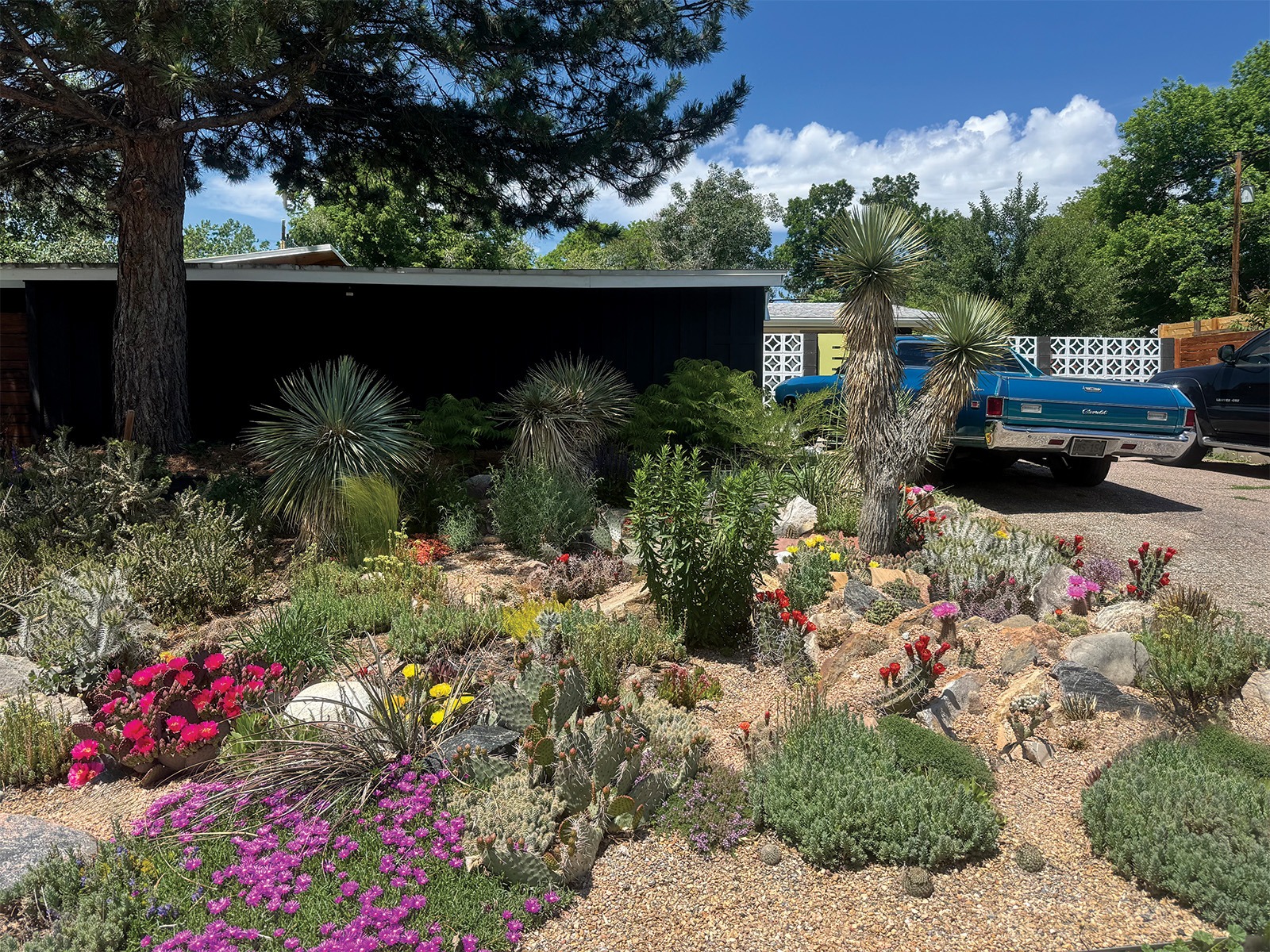
For homeowners interested in longer-term landscaping strategies, Boulder's water rebate programs support the transition to drought-tolerant and native plants. Xeriscape landscapes — designed around Colorado-native grasses, perennials, and shrubs — can reduce outdoor water use dramatically while looking genuinely beautiful in the local climate. Several Boulder neighborhoods have made this shift over the past decade, and the curb appeal holds up.
Why This Matters for Boulder Real Estate
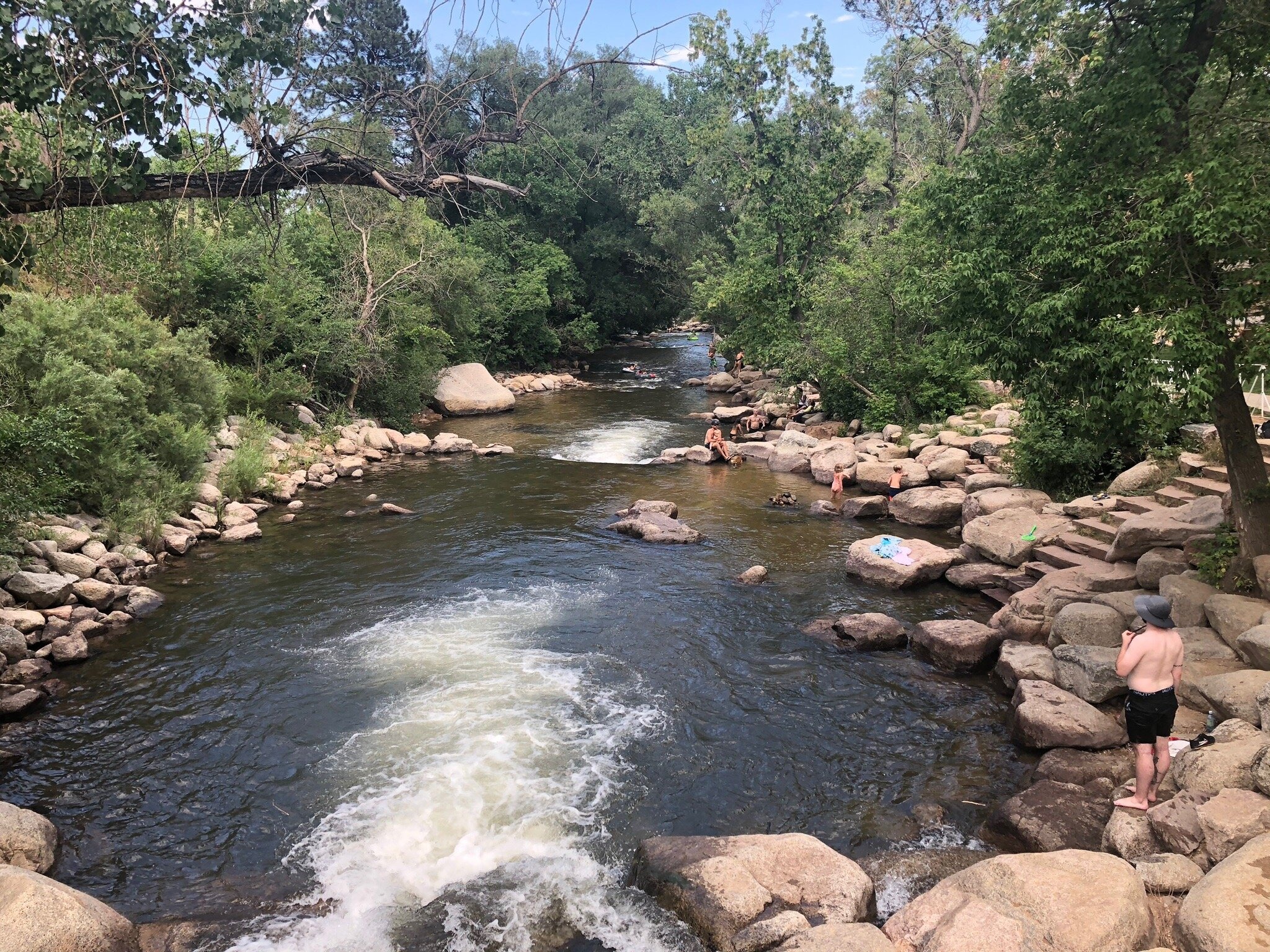
Water is infrastructure. And like every other form of infrastructure in Boulder — roads, transit, open space, schools — the quality and reliability of the city's water supply is baked into what makes Boulder real estate valuable long-term.
Boulder's diversified water portfolio, senior water rights, and proactive conservation culture give it a structural advantage over many Colorado communities facing the same dry conditions. While cities that rely more heavily on the Colorado River or more junior water rights face harder choices faster, Boulder has tools to manage through drought cycles that other Front Range communities simply don't have. That's relevant context for buyers and investors evaluating Boulder homes for sale in the current environment.
For sellers, the drought watch is a reminder that outdoor presentation matters more than ever this summer. A thoughtfully irrigated, healthy-looking property photographs better and shows better — but achieving that within the city's watering guidelines is entirely doable. Water smartly, not more frequently.
And for everyone who calls Boulder home: the voluntary conservation the city is asking for this summer isn't a hardship. It's a reasonable ask from a community that has spent decades building a water system worth protecting. In many cases, the habits you build in a Drought Watch summer are simply good stewardship — for this year, and for the dry years that may follow.
It's always best to consult the City of Boulder's official drought program page at bouldercolorado.gov/services/drought-watch-program for the most current watering guidelines and any status updates throughout the summer.
FROM OUR BLOG
Boulder Rental License Requirements 2026: Fees, Inspections & How to Apply
Renting out a home in Boulder involves more than finding a tenant, setting a monthly rent, and signing a lease. Before most residential properties inside Boulder city limits can legally be advertised or rented, the owner must obtain a rental housing license from the City of Boulder. That requirement
Boulder Homeowners Insurance 2026: Wildfire, Hail & What Buyers Need to Know
Buying a home in Boulder involves more than finding the right neighborhood, negotiating a purchase price, and qualifying for a mortgage. There is another important consideration that can affect both the monthly cost of ownership and the ability to complete a purchase: homeowners insurance. In Boulde
Boulder Down Payment Assistance 2026: How First-Time Buyers Can Get Up to $100,000
For many Boulder buyers, the challenge is not simply qualifying for a monthly mortgage payment. It is getting enough cash together for the down payment, closing costs, reserves, and everything else that comes with buying a home in one of Colorado's more expensive housing markets. What many buyers do