
If you are selling a home after someone passes away, one of the first questions is whether you are dealing with a probate sale or a trust sale. From the outside, they can look similar. It is still a home. It still needs pricing, prep, marketing, and a buyer. But behind the scenes, the process can feel very different.
In simple terms, a probate sale usually means the property is part of an estate being administered through the probate process. A trust sale usually means the home is owned by a trust and is being handled by a successor trustee under the trust terms. Colorado probate guidance says probate transfers title from the decedent to heirs or devisees, while estate-planning tools such as trusts can help avoid probate proceedings.
Probate sale: more court structure, more moving parts

A probate sale usually starts because the deceased owned the property in their own name, or in a way that still requires probate. Colorado Judicial Branch materials say real estate owned solely in the deceased person’s name generally goes through probate, while real estate held in joint tenancy with survivorship or recorded with a beneficiary deed may not.
That means probate sales often involve:
- appointment of a personal representative,
- court filings,
- possible notice requirements,
- and, in some cases, more oversight if the estate is formal or contested.
For sellers, that can translate into a slower on-ramp. For buyers, it can mean more patience, more paperwork, and sometimes a little less certainty at the very beginning.
Trust sale: often cleaner, often faster

A trust sale is often more straightforward because the home is already held by the trust. Colorado probate guidance notes that trusts can help avoid probate court proceedings, and Colorado trust law says a trust is not subject to continuing judicial supervision unless a court orders it.
Generally speaking, that means a trust sale may involve:
- less court friction,
- fewer upfront delays,
- and a smoother path to market if the trust was properly set up and the title was properly held in the trust.
That does not mean every trust sale is easy. Families can still disagree. Trustees still need to follow the trust. Title questions can still come up. But compared with probate real estate in Boulder, a trust sale often feels more like a standard sale with a fiduciary seller rather than a court-centered process.
How the difference affects timeline and marketability
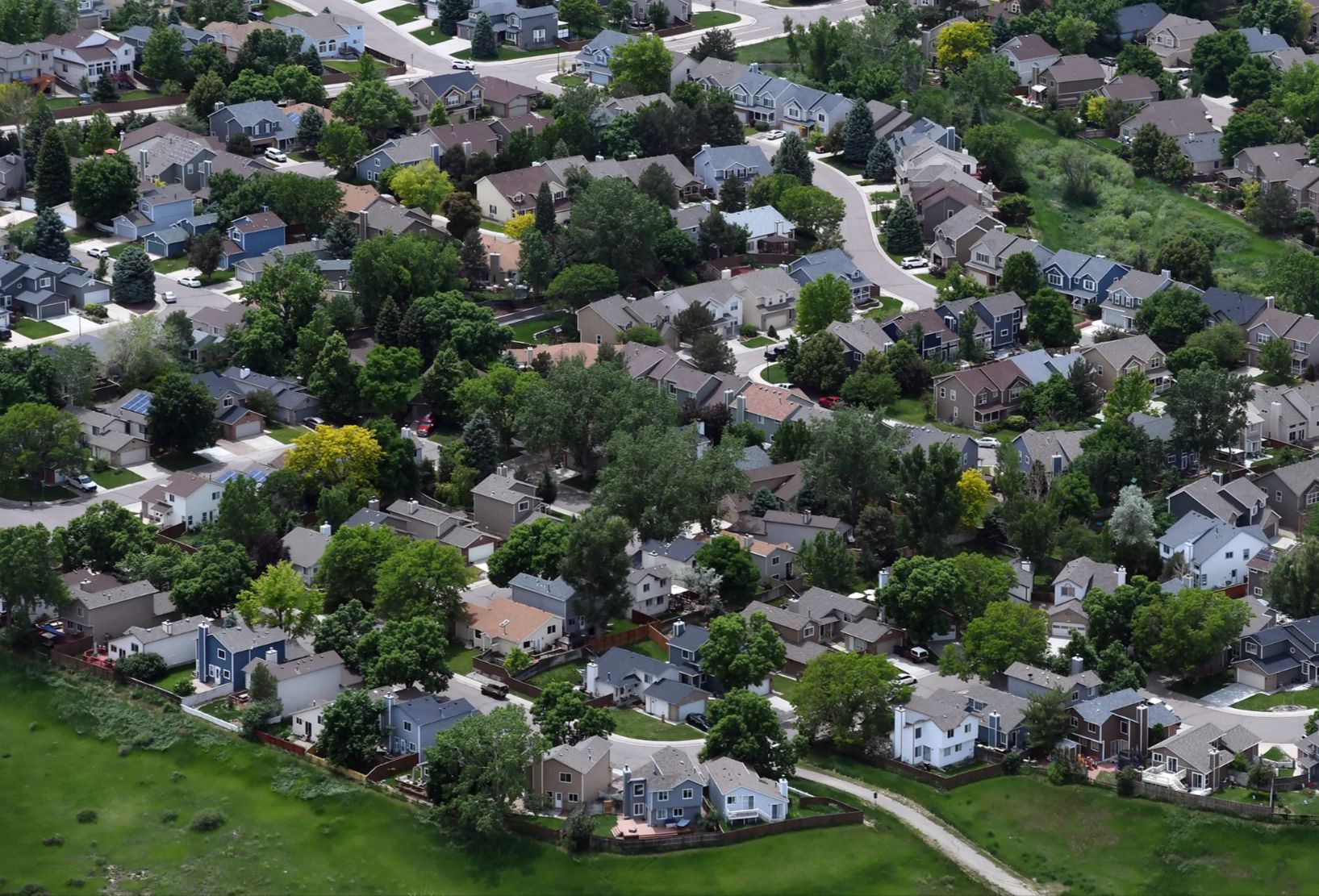
In Boulder, timeline matters because the market rewards clarity. Redfin’s Boulder page currently shows a somewhat competitive market, with a median sale price around $807,000 and homes selling in roughly 50 to 60 days. That is not a market where avoidable delays feel harmless.
A trust sale may be more marketable simply because it can feel cleaner to buyers. There is often less uncertainty around who can sign, who is in charge, and how quickly the transaction can move. A probate sale can still attract strong buyers, especially in desirable Boulder neighborhoods, but it benefits from extra communication up front.
What buyers should know about probate homes
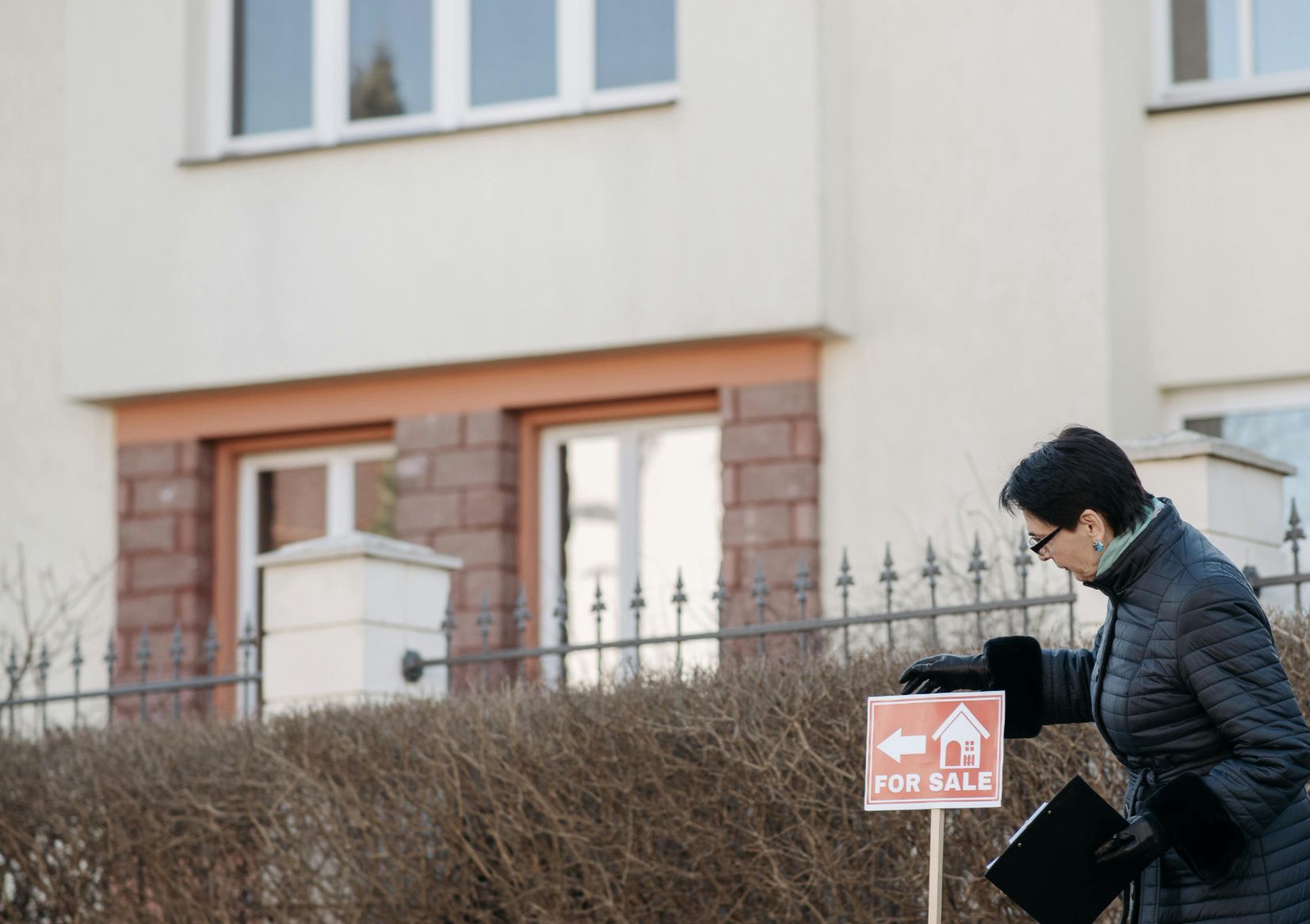
For buyers, a probate property is not automatically a bad bet. In fact, some buyers and investors like probate real estate because the pricing can be realistic and the property may have strong long-term upside. But buyers should understand that probate sales may involve estate-specific disclosures, slower decision-making, or a longer path to closing.
Trust sales usually feel more familiar. The buyer experience can be smoother because the transaction often behaves more like a conventional sale, even though the seller is acting in a fiduciary role.
Why working with a local Boulder agent matters
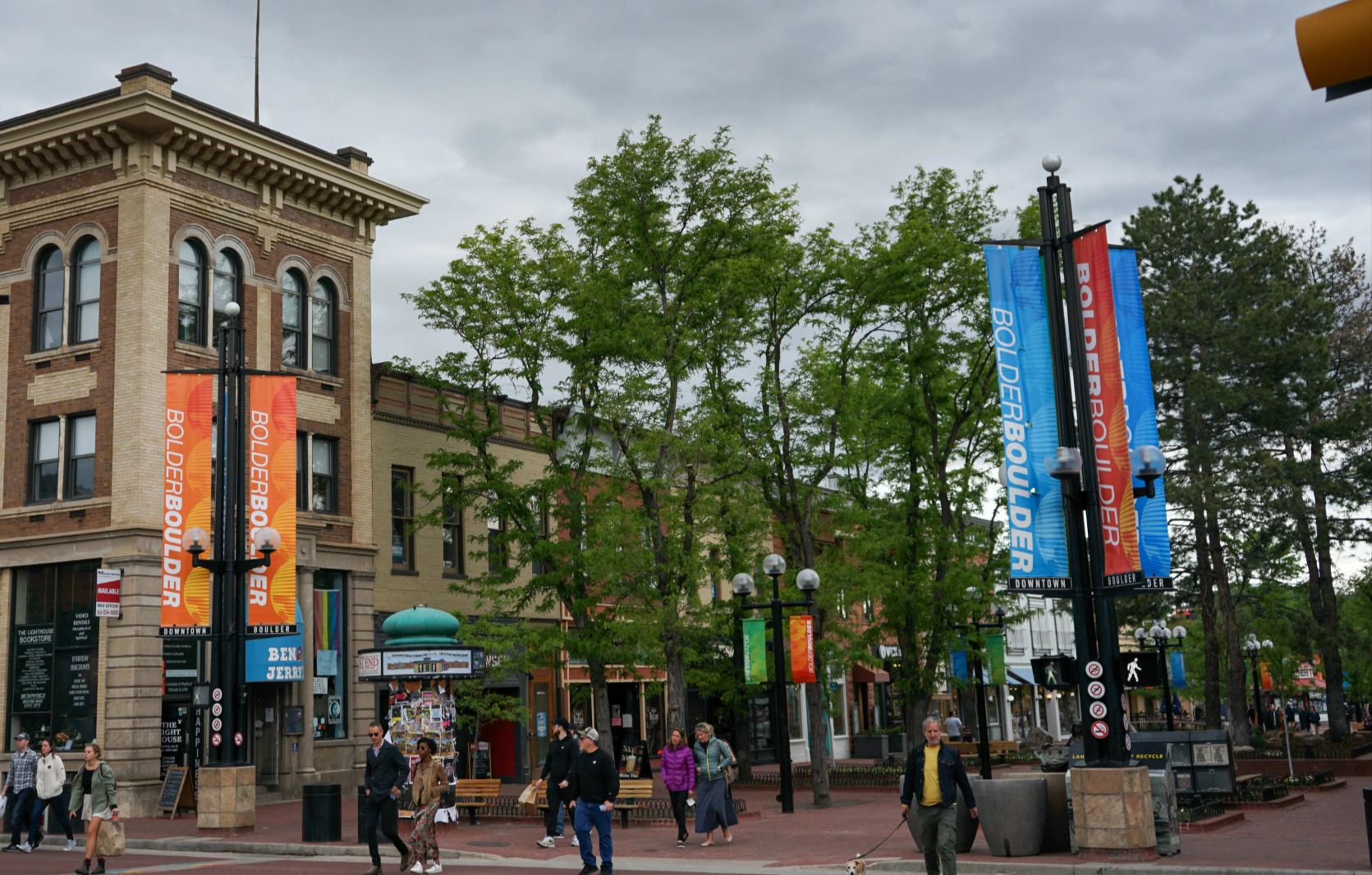
Whether it is a probate sale or a trust sale, the real estate side still comes down to local execution. Pricing a home in central Boulder is different from pricing one in Gunbarrel. Preparing a Chautauqua-adjacent home is different from preparing a lock-and-leave condo near downtown. And when legal or fiduciary layers are involved, the margin for confusion gets smaller.
That is where local guidance helps. Not legal advice. Not probate strategy. Just the real estate side done well: market timing, prep decisions, buyer communication, and keeping the transaction moving.
Final thoughts
The simplest way to think about it is this: probate sales usually come with more court structure; trust sales usually come with more flexibility. In Boulder, that difference can affect speed, buyer confidence, and how quickly a home becomes truly market-ready.
If you are unsure which type of sale you are dealing with, it is best to consult a probate attorney for specifics. Once that part is clear, the Boulder real estate strategy becomes much easier to build.
FROM OUR BLOG


Boulder Rental License Requirements 2026: Fees, Inspections & How to Apply
Renting out a home in Boulder involves more than finding a tenant, setting a monthly rent, and signing a lease. Before most residential properties inside Boulder city limits can legally be advertised or rented, the owner must obtain a rental housing license from the City of Boulder. That requirement

Boulder Homeowners Insurance 2026: Wildfire, Hail & What Buyers Need to Know
Buying a home in Boulder involves more than finding the right neighborhood, negotiating a purchase price, and qualifying for a mortgage. There is another important consideration that can affect both the monthly cost of ownership and the ability to complete a purchase: homeowners insurance. In Boulde

Boulder Down Payment Assistance 2026: How First-Time Buyers Can Get Up to $100,000
For many Boulder buyers, the challenge is not simply qualifying for a monthly mortgage payment. It is getting enough cash together for the down payment, closing costs, reserves, and everything else that comes with buying a home in one of Colorado's more expensive housing markets. What many buyers do