If you're buying a home in Boulder, one of the most important inspections involves something you can't see, smell, or taste.
Radon.
It's a naturally occurring radioactive gas that can enter homes through foundations and accumulate indoors. Unlike a leaking roof, damaged sewer line, or visibly cracked foundation, elevated radon levels generally cannot be identified during an ordinary walkthrough.
And in Boulder County, this isn't a rare concern.
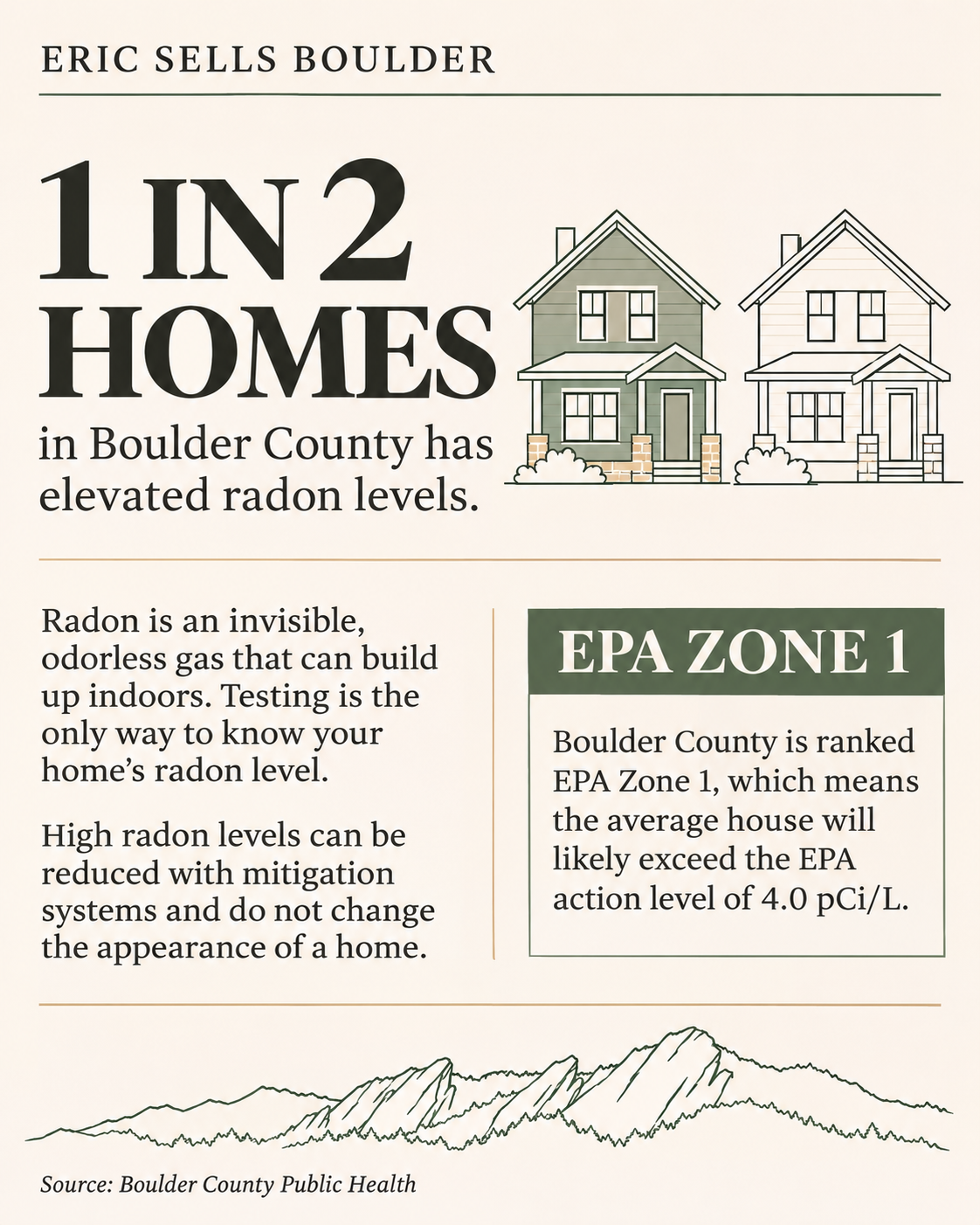
According to Boulder County Public Health, approximately one out of every two homes in the county has elevated radon levels.
That means a home could look perfectly maintained, have a renovated kitchen, a new roof, and beautiful views of the Flatirons while still having an indoor radon problem.
The good news is that radon can be measured, and elevated levels can usually be reduced with an appropriately designed mitigation system.
For buyers, the key is knowing when to test and how to interpret the results before inspection deadlines expire.
For sellers, understanding Colorado's disclosure requirements and gathering existing test records can help avoid complications during a transaction.
Here's what Boulder homeowners, buyers, and sellers should know about radon testing in 2026.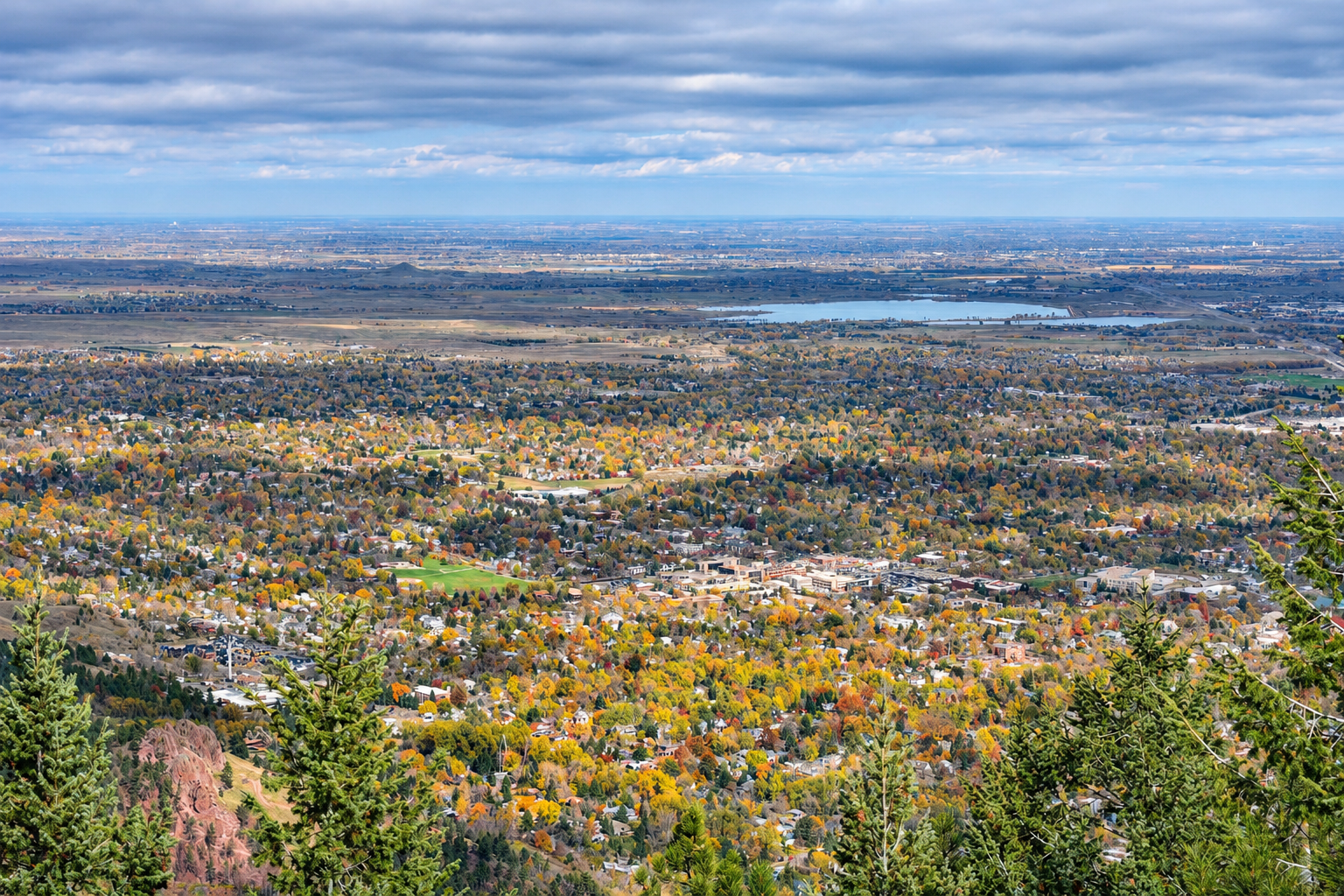
Why Is Radon Such a Concern in Boulder County?
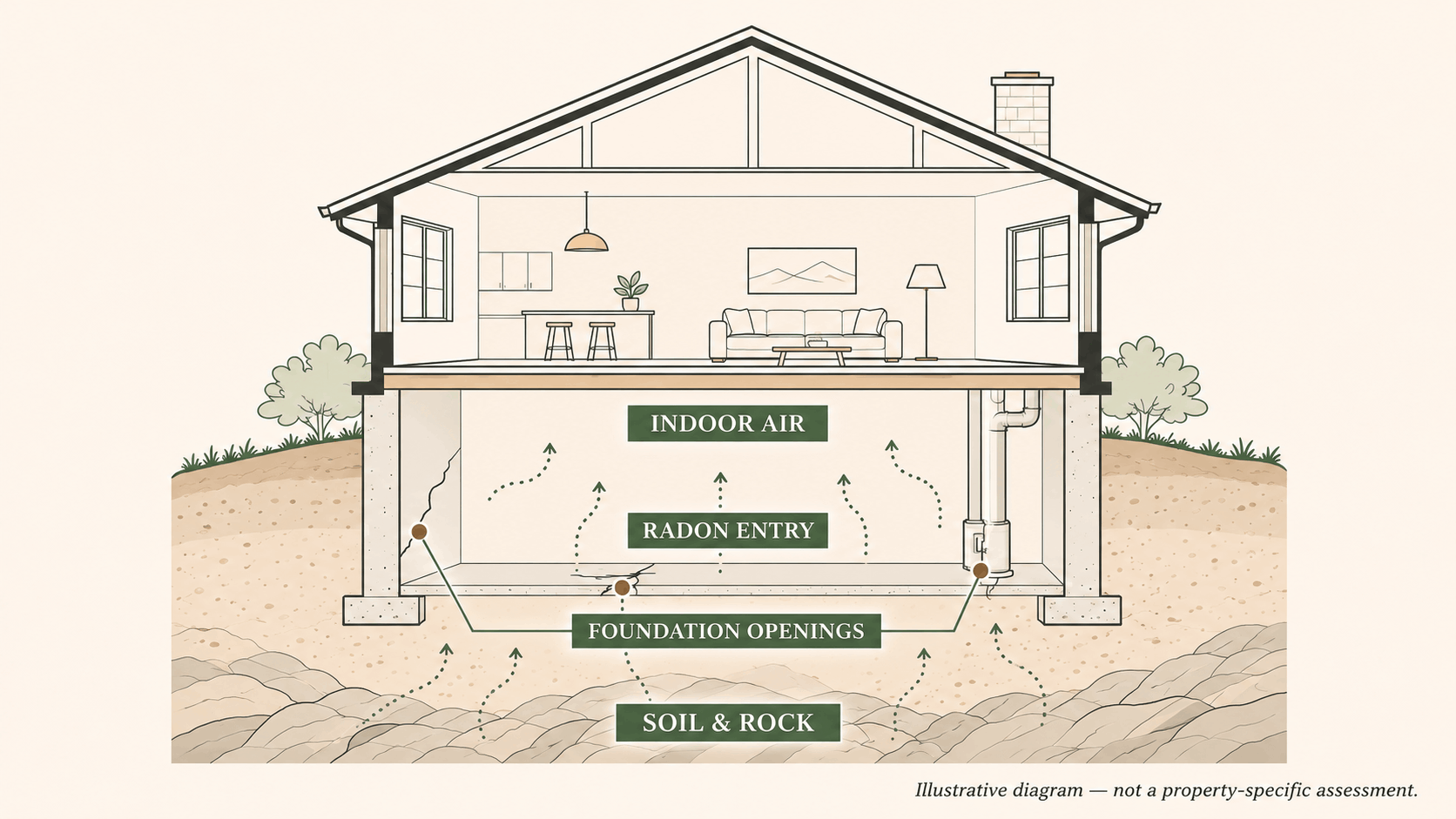
Radon is produced by the natural radioactive decay of uranium found in soil and rock.
As uranium breaks down, radon gas can move through the ground and enter buildings through small openings around foundations, floor slabs, joints, pipes, or other penetrations.
Once inside, radon can accumulate—particularly in enclosed lower levels.
Boulder County's geology makes this an important local issue.
The Environmental Protection Agency places Boulder County in Radon Zone 1, the category associated with the highest predicted potential for elevated indoor radon levels.
Boulder County Public Health also reports that approximately half of local homes have elevated concentrations.
But that statistic does not mean every other house on a particular street will have a radon problem.
Indoor levels can vary significantly between neighboring properties.
One home may have low readings while another, only a short distance away, has elevated levels.
That's why a neighborhood radon map cannot tell you whether a specific Boulder home needs mitigation.
The only reliable way to determine a property's indoor radon concentration is to test it.
Why Radon Matters for Health
Radon exposure is associated with an increased risk of lung cancer.
The EPA identifies radon as the second-leading cause of lung cancer in the United States and the leading cause among people who have never smoked.
The risk generally increases with radon concentration and the length of exposure. Smoking further increases the danger.
Importantly, the EPA says there is no known level of radon exposure that is completely free of risk.
This makes testing worthwhile even when a home appears to be in excellent condition.
How Does Radon Enter a Boulder Home?
Radon usually enters a building from the soil beneath or around its foundation.
As air moves through the home, pressure differences can draw soil gas through small openings.
Common entry pathways include foundation cracks, gaps where pipes penetrate concrete, construction joints, and openings around certain drainage systems.
Different foundation types can present different conditions.
A house with a basement may have potential entry points along its slab and foundation walls.
A slab-on-grade home can still have soil gas enter through joints and penetrations.
Homes with crawl spaces may require a different testing or mitigation approach.
What About Older and Newer Boulder Homes?
Age alone does not determine radon risk.
An older home may have gaps or foundation conditions that influence radon entry, but a newly built home can also have elevated levels.
Likewise, a finished basement does not automatically mean elevated radon will be present.
The home's actual indoor concentration depends on several factors, including soil conditions, construction details, building pressure, ventilation, and how the property is used.
Never assume a home is radon-free because it is new, expensive, recently renovated, or located in a particular Boulder neighborhood.
That includes homes in North Boulder, South Boulder, central Boulder, Gunbarrel, and surrounding Boulder County communities.
Can Radon Reach Upper Floors?
Yes.
Concentrations are often higher closer to ground contact, but radon can move throughout a building.
Apartments and upper-level living spaces are not automatically exempt from concern.
For a purchase, the testing location should follow the appropriate real estate measurement standards and reflect the lowest level of the home that could reasonably be occupied.
How Do You Test a Home for Radon in Boulder?
Radon testing is generally straightforward.
There are two main approaches: short-term testing and long-term testing.
The appropriate choice depends on whether you're evaluating a home during a real estate transaction or monitoring a property you already own.
Short-Term Radon Testing
Short-term testing is commonly used during home purchases because buyers usually need results within a contractual inspection period.
Depending on the test method, short-term measurements can last from approximately 48 hours to 90 days.
For many real estate transactions, a qualified measurement professional uses a continuous radon monitor for at least 48 hours under appropriate test conditions.
Other recognized methods use passive devices and laboratory analysis.
A correctly conducted short-term test can help buyers determine whether the home needs further evaluation or mitigation.
Long-Term Radon Testing
Long-term testing generally lasts more than 90 days.
It can provide a better estimate of the home's average radon concentration over a longer period.
This may be useful for homeowners who are not working within a short contractual deadline.
However, a buyer under contract may not have enough time to complete a long-term test before the inspection deadline.
Short-Term vs. Long-Term Radon Tests
| Test type | Typical duration | Best use |
|---|---|---|
| Short-term test | 48 hours to 90 days, depending on method | Real estate transactions and initial screening |
| Long-term test | More than 90 days | Evaluating longer-term average exposure |
| Post-mitigation test | Duration depends on approved method | Checking whether mitigation reduced radon levels |
Where Should a Radon Test Be Placed?
For a real estate transaction, Boulder County recommends testing the lowest level of the home that could reasonably be occupied.
That may include a basement that is unfinished today but suitable for future living space.
The testing professional should follow the applicable measurement standard when choosing the room and positioning the device.
Generally, testing should not be conducted in unsuitable spaces such as an ordinary garage, attic, or crawl space instead of an appropriate occupiable room.
Why Closed-Building Conditions Matter
Short-term tests commonly require exterior doors and windows to remain closed for at least 12 hours before testing and throughout the measurement period, except for normal entry and exit.
Other restrictions may apply to fans, ventilation equipment, and unusual weather conditions.
These requirements help make the measurement consistent and reduce interference.
For buyers, the practical point is simple:
A radon result is only as useful as the testing procedure behind it.
That's one reason using a qualified, licensed measurement professional is particularly valuable during a transaction.
What Is a High Radon Level in Boulder?
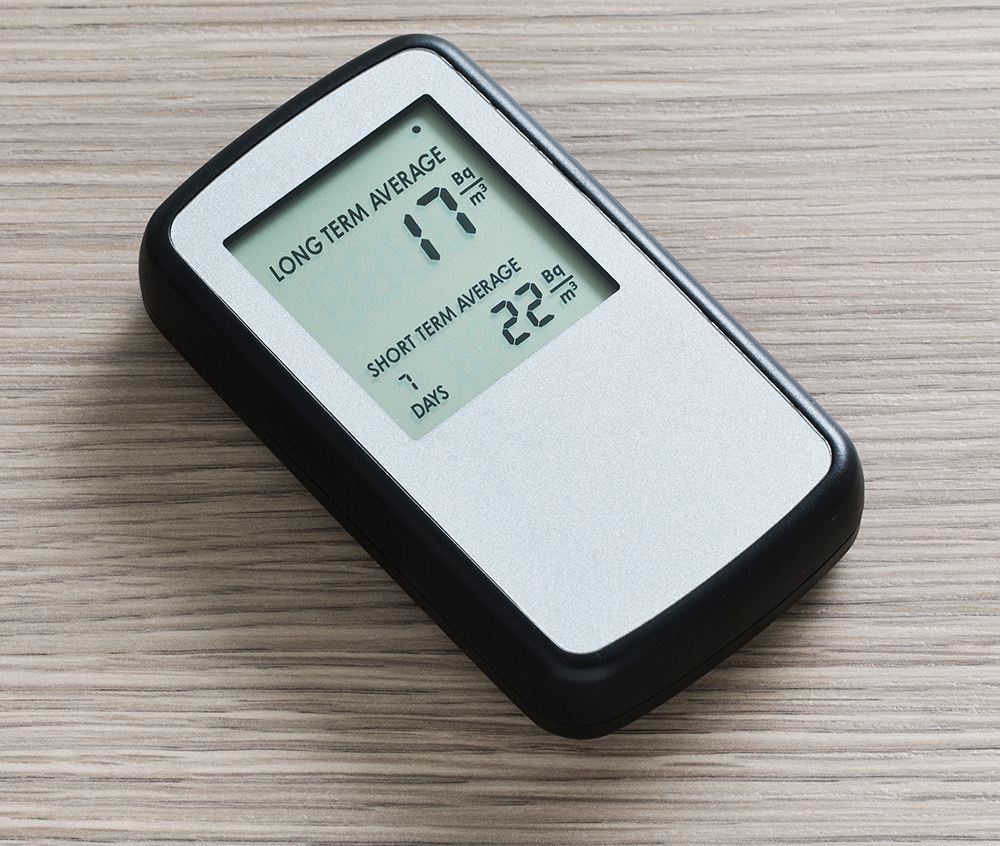
Radon is commonly reported in picocuries per liter of air, abbreviated pCi/L.
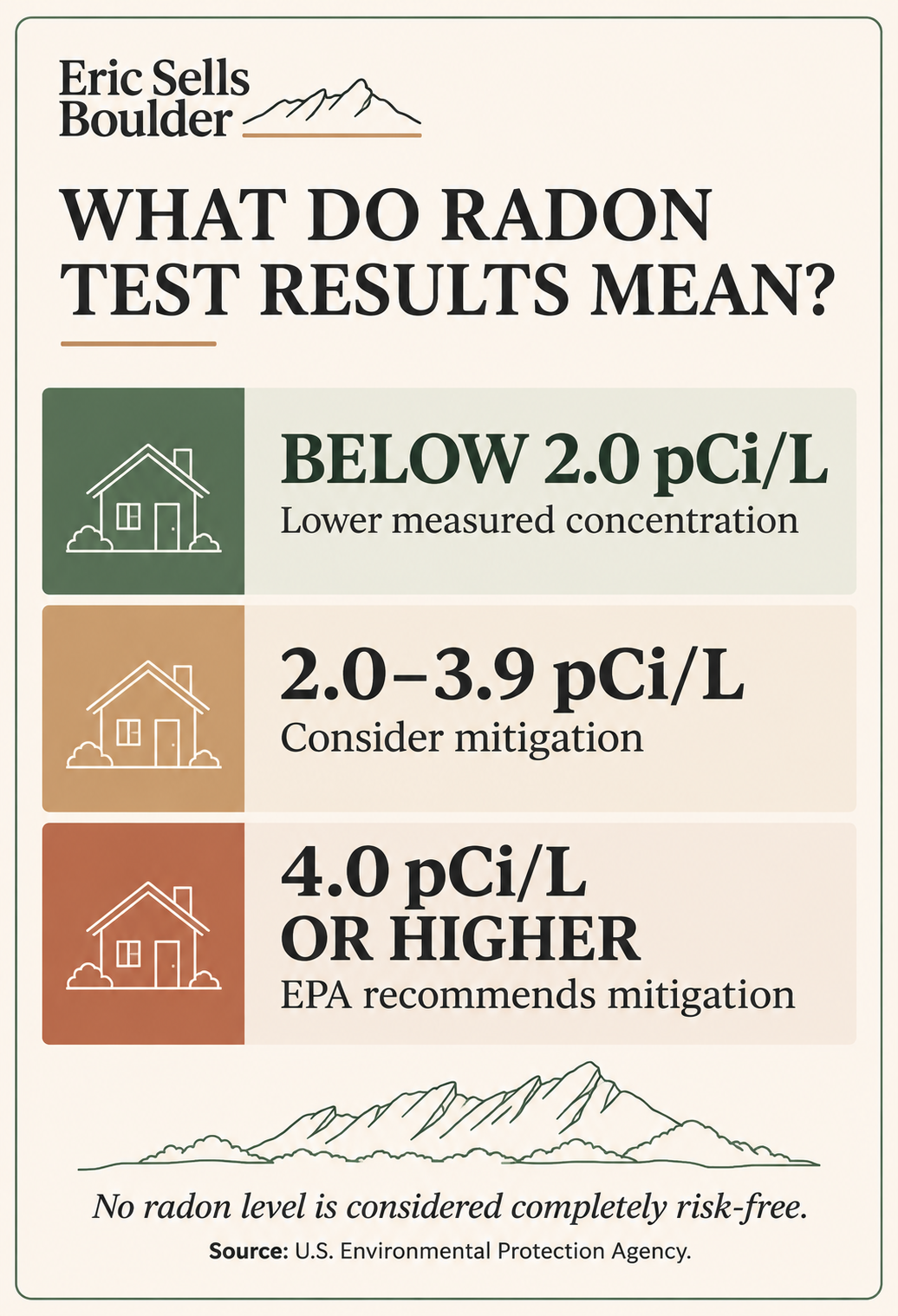
The EPA recommends taking action to reduce indoor radon when confirmed measurements reach 4.0 pCi/L or higher.
But the EPA also recommends considering mitigation when levels fall between 2.0 and 4.0 pCi/L.
That is because radon risk does not suddenly begin at 4.0.
The action level is a practical benchmark for deciding when reduction measures are recommended.
It is not a line separating completely safe air from unsafe air.
How to Interpret Radon Results
| Radon level | General guidance |
|---|---|
| Below 2.0 pCi/L | Lower measured concentration; no level is entirely risk-free |
| 2.0 to below 4.0 pCi/L | EPA recommends considering mitigation |
| 4.0 pCi/L or higher | EPA recommends mitigation |
| After mitigation | Verify results with proper post-mitigation testing |
A single short-term result may require confirmation depending on the testing method and circumstances.
During a real estate transaction, qualified testers may use approved continuous-monitoring methods or simultaneous or sequential measurements.
Buyers should ask the measurement professional to interpret the findings and explain the recommended next steps.
Is a Home With Elevated Radon Automatically Unsafe to Buy?
An elevated result is important, but it does not automatically make the property unsuitable for purchase.
Many homes can be successfully mitigated.
The more useful question is whether the problem can be addressed through an appropriate system, what it will cost, and how its effectiveness will be verified.
A buyer should understand those details before deciding how to proceed with the transaction.
Radon Testing When Buying a Home in Boulder
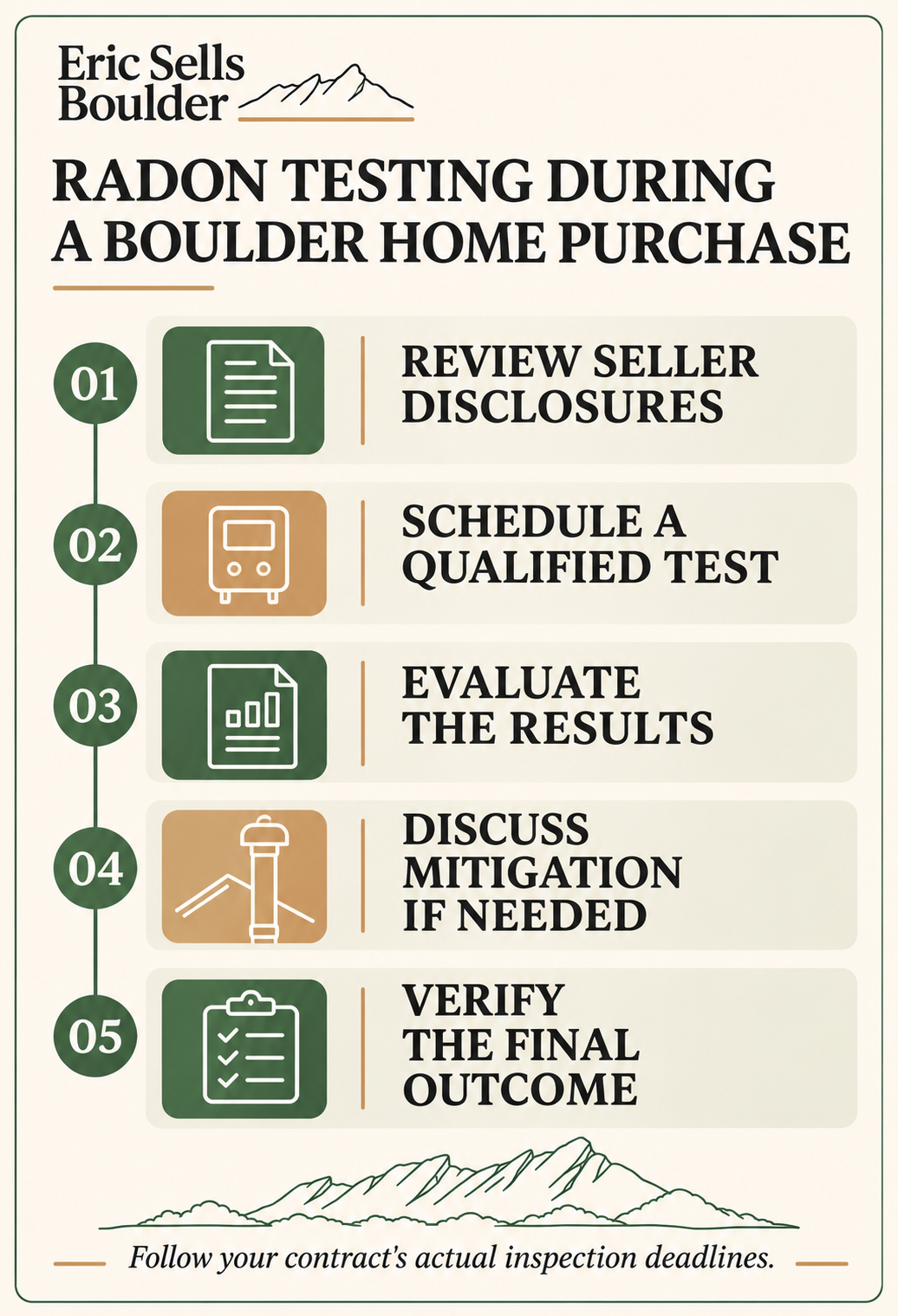
For a Boulder homebuyer, radon testing should be considered early in the inspection process.
A general inspection may identify issues involving the roof, structure, drainage, electrical systems, and other visible components.
Radon requires a separate measurement.
This is true even when the seller provides an older test report.
Indoor radon levels can change because of alterations to the building, heating and ventilation conditions, mitigation-system performance, and other factors.
What Should Buyers Request?
Before scheduling a test, ask the seller whether the property has previously been tested for radon.
Request copies of available reports, including the dates, locations, testing methods, and results.
If the home has a radon mitigation system, ask for:
-
The original installation documentation
-
Contractor and permit information, where applicable
-
Available post-installation test results
-
Any subsequent maintenance or retesting records
-
Information about whether the system is operating normally
A previous low reading does not necessarily eliminate the value of a new test.
Similarly, an existing mitigation system is not proof that current radon levels are acceptable.
What Happens if a Buyer Finds Elevated Radon?
The next steps depend on the executed purchase contract and applicable deadlines.
Potential negotiated solutions may include having the seller arrange an approved mitigation system before closing, obtaining estimates and negotiating an appropriate contractual adjustment, or reaching another mutually acceptable agreement.
These are possible negotiation approaches, not automatic entitlements.
The parties should use the appropriate Colorado contract provisions and consult their real estate professionals rather than assuming a particular test result guarantees cancellation rights or requires a specific seller concession.
An important consideration is verification.
If mitigation is completed before closing, the buyer should receive documentation and an appropriate post-mitigation measurement.
Colorado's Radon Disclosure Law
Colorado's Senate Bill 23-206, effective in 2023, established additional requirements for disclosure of radon information in residential real estate transactions.
Residential sale contracts must include the required radon warning, and sellers must disclose known radon testing, concentrations, reports, and mitigation information under the applicable law.
The law also calls for the appropriate Colorado Department of Public Health and Environment radon brochure to be provided.
The disclosure requirement is not the same as a legal requirement that every seller commission a brand-new radon test.
However, buyers should still consider an independent test as part of their due diligence.
For a broader overview of other property inspections, see my Boulder Home Inspections: Radon, Sewer, Roof & More guide.
How Much Does Radon Mitigation Cost in Boulder?
The cost depends on the home's foundation, layout, existing construction, and the mitigation method needed.
Boulder County's published guidance has described many residential radon mitigation systems as costing approximately $1,000 to $1,400.
That is a general County guidance figure, not a verified 2026 contractor quote.
Actual costs today may be higher or lower depending on the project, permits, access, electrical work, system design, and the contractor.
Sellers and buyers should request property-specific estimates from qualified contractors instead of assuming that a published average will cover the entire project.
How Does Radon Mitigation Work?
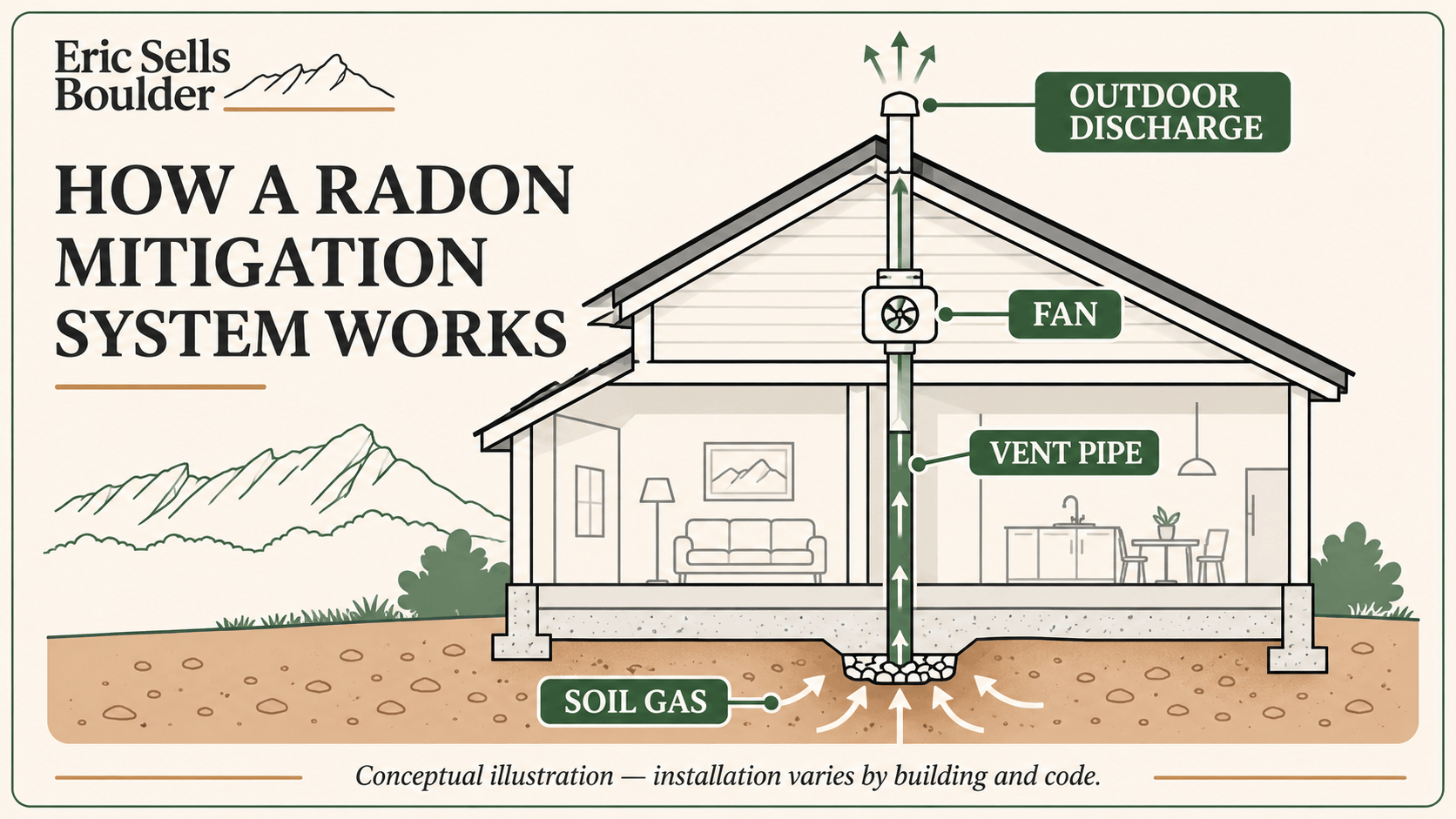
One common approach is called active soil depressurization.
This system uses piping and a fan to draw radon-containing soil gas from beneath the home and discharge it safely outdoors, following applicable technical standards.
The method depends on the foundation.
A slab-on-grade home may require a different installation approach from a house with a basement or crawl space.
The contractor should evaluate the actual structure before recommending a solution.
What Should You Ask a Mitigation Contractor?
Confirm that the contractor holds the required Colorado license and appropriate professional certification.
Ask what work the proposed price includes, whether electrical or other permits are necessary, where the fan and discharge piping will be installed, and what testing will be performed afterward.
A written proposal should clearly explain the work and expected performance.
Boulder County recommends using qualified contractors and obtaining a commitment to reduce measured levels below the EPA's 4.0 pCi/L action level.
Can Homeowners Get Financial Assistance?
Colorado operates a Low-Income Radon Mitigation Assistance (LIRMA) program for qualifying homeowners.
Eligibility depends on the program's income, occupancy, property, testing, and other requirements, as well as available funding.
The program generally focuses on eligible owner-occupied homes rather than investment properties or homes already listed for sale.
Homeowners should confirm current eligibility and funding directly with the program administrator before assuming assistance will be available.
Colorado Radon Program and Assistance Information
Should New Homes and Homes With Mitigation Systems Still Be Tested?
Yes.
A newly constructed home may include radon-resistant features, but that does not eliminate the need to confirm the indoor concentration after occupancy.
Boulder County identifies several local jurisdictions requiring radon-resistant construction for applicable new single-family homes, including the City of Boulder, Longmont, Louisville, Erie, Superior, and unincorporated Boulder County.
Radon-resistant construction may include features intended to reduce the amount of soil gas entering the building.
Some passive systems can be converted to active systems by adding a fan if testing shows elevated levels.
However, the presence of a radon-resistant design is not the same as proof of a low indoor reading.
What If the Home Already Has a Mitigation System?
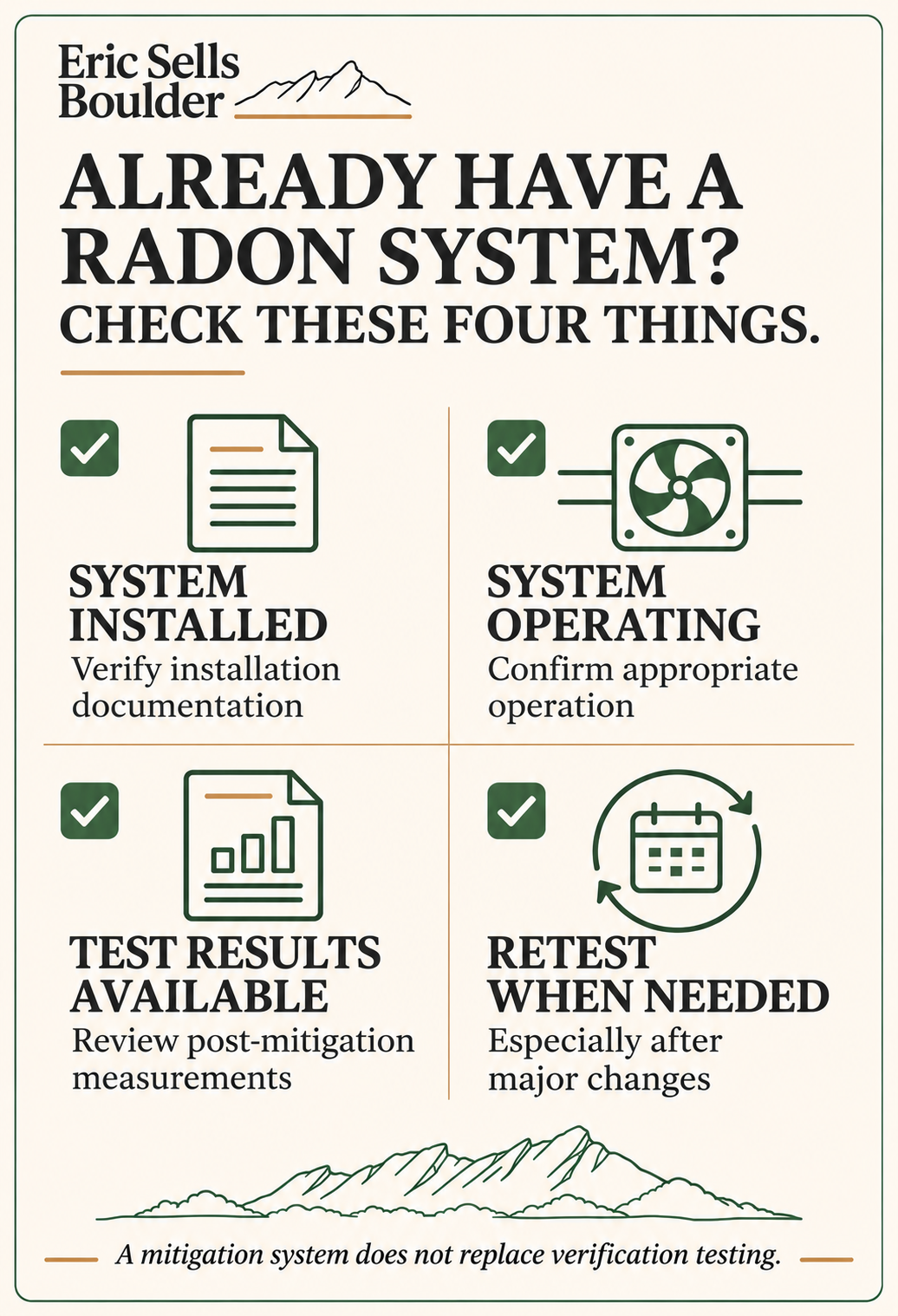
Homeowners should verify that the system is operating as intended and retain the associated records.
A functioning fan or visible vent pipe alone does not confirm that the radon concentration is below the action level.
Post-mitigation testing is important, and periodic retesting can help identify changes over time.
The EPA recommends retesting when building conditions change significantly, such as when occupants begin using a lower level more frequently.
Buyers should also request a current test when older records may no longer accurately represent the home's conditions.
What About Finished Basements?
Basements deserve particular attention in Boulder real estate.
A lower level that was previously used only for storage may later become a bedroom, family room, home office, or other frequently occupied space.
When that happens, testing the relevant level becomes especially important.
The decision should be based on how the space can reasonably be occupied—not simply whether it is currently staged as a bedroom.
What Boulder Sellers Should Do Before Listing
For sellers, preparation can help make the radon portion of the inspection process more straightforward.
Start by reviewing any radon information already associated with the property.
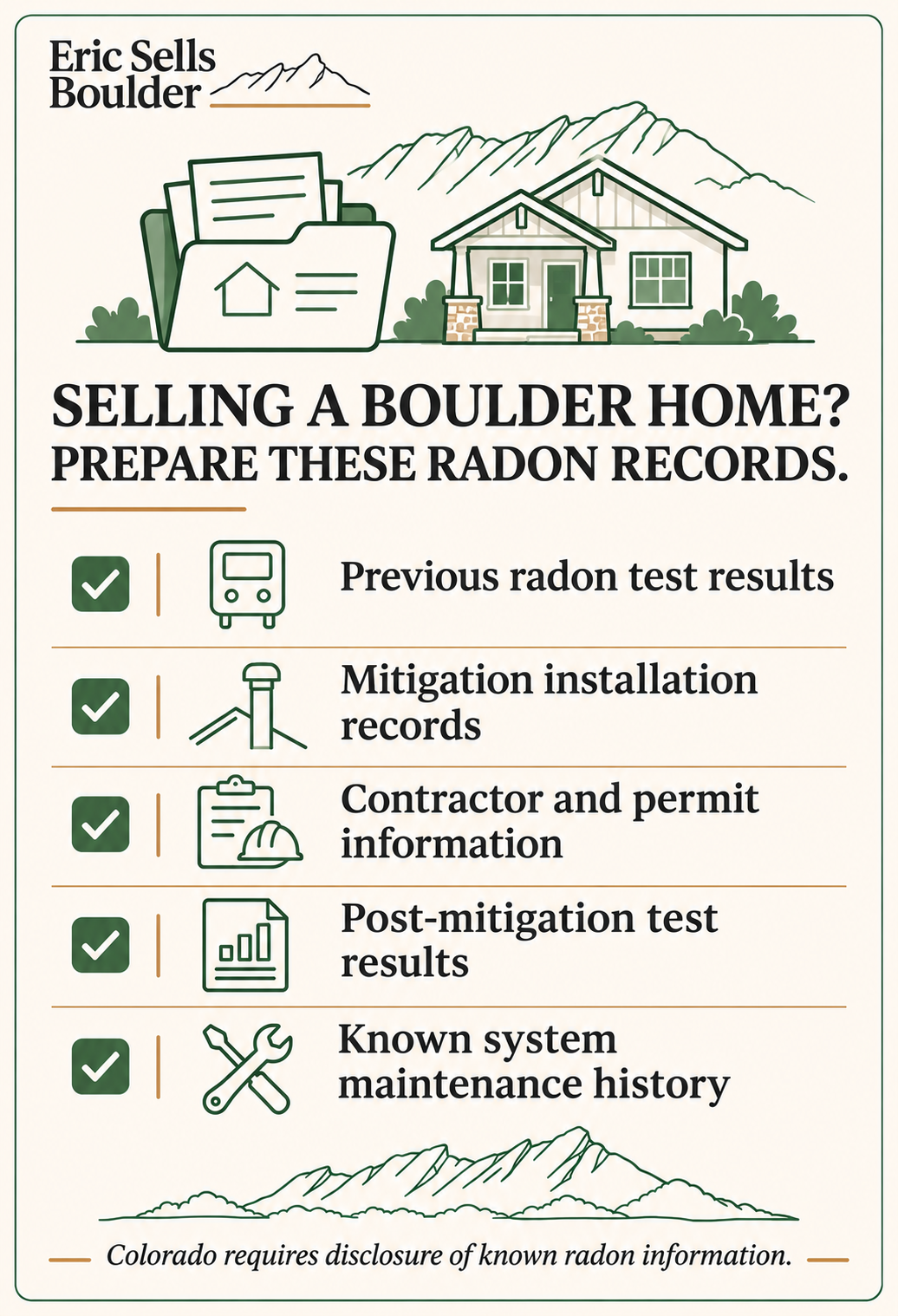
That includes older test reports, mitigation records, warranty information, contractor invoices, permits where applicable, and post-mitigation measurements.
Colorado requires disclosure of known radon information in residential sales.
That includes known testing and mitigation history, not only test results above the EPA action level.
Should Sellers Get a New Radon Test Before Listing?
It can be worth considering, particularly when existing test records are old, the home has undergone substantial alterations, or the property has a mitigation system that has not been checked recently.
However, a new pre-listing test is not universally required by Colorado's radon disclosure law.
A seller should discuss the timing and value of testing with the listing professional.
Completing a test in advance may provide useful information for pricing, preparation, and negotiations.
But a buyer may still request an independent test during the transaction.
What If the Seller Already Knows Radon Is Elevated?
The appropriate response is accurate disclosure and a clear explanation of any actions already taken.
If mitigation has been installed, provide the available documents.
If the issue has not been mitigated, the buyer should have the information needed to evaluate the property and any proposed solution.
Concealing an existing report or describing a mitigation system as proof of acceptable levels without testing creates unnecessary risk.
What About Rental Properties?
Colorado also requires applicable written radon disclosures in residential rental transactions.
There is a specific distinction in 2026: beginning January 1, 2026, the statutory lease-voiding remedy under the radon disclosure provision no longer applies to leases of one year or less. That change should not be confused with removing the underlying disclosure requirements.
Landlords should consult the current law and qualified legal counsel when evaluating mitigation obligations, tenant remedies, and disclosure procedures.
Where Can You Get a Radon Test in Boulder County?
Homeowners have several ways to begin.
Purchase an At-Home Test Kit
Boulder County Public Health provides information on purchasing do-it-yourself test kits and lists local resources such as the ReSource Tool Library in Boulder and the Boulder County Extension office in Longmont.
Because inventory and services can change, contact a listed location before visiting.
Boulder County — Radon Testing Resources
Hire a Colorado-Licensed Radon Professional
For real estate transactions, consider hiring a professional who holds the required Colorado license for radon measurement.
You can verify a professional's license through Colorado's official license lookup.
Colorado Professional License Verification
Certification and licensing are not necessarily the same thing, so confirm the applicable Colorado license rather than relying only on a contractor's advertising.
Keep the Results With Your Property Records
Whether you test during a purchase, before listing, or simply as part of routine maintenance, save the report.
If mitigation is performed, retain the installation records and follow-up measurements.
These documents may be useful when the property is sold in the future.
The Bottom Line: Should Every Boulder Homebuyer Test for Radon?
Radon testing is a relatively simple step that can provide important information about a home's indoor environment.
With approximately half of Boulder County homes estimated to have elevated radon levels, testing deserves serious consideration during any residential purchase.
The property may be new or old.
It may have a finished basement, slab foundation, or existing mitigation system.
It may be located near downtown Boulder, in a newer neighborhood, or elsewhere in Boulder County.
None of those characteristics reliably tells you the home's current radon concentration.
The answer comes from proper testing.
For buyers, that means planning the test early enough to make an informed decision before the relevant contract deadlines.
For sellers, it means providing accurate disclosures and making relevant test and mitigation records available.
And for homeowners, it means checking the indoor environment rather than assuming a home is protected because of its age, location, or construction.
If you're buying or selling property in Boulder or Boulder County, I can help you coordinate the real estate due-diligence process, understand the questions to raise with inspectors and contractors, and evaluate how property-specific findings may affect a transaction.
The goal isn't just to find a home that looks right.
It's to understand the home you're buying—or selling.
Eric Farran
Eric Sells Boulder
This article provides general real estate information based on Boulder County, Colorado, and federal guidance reviewed in October 2026. It is not a substitute for professional radon testing, medical guidance, legal advice, or a property-specific mitigation assessment. Testing methods, regulations, costs, and eligibility requirements can change.
Boulder Radon Testing FAQ
Is radon common in Boulder, Colorado?
Yes. Boulder County Public Health estimates that approximately one in two homes in Boulder County has elevated radon levels, and the county is classified as EPA Radon Zone 1.
Do I need a radon test when buying a house in Boulder?
Colorado strongly recommends radon testing for homebuyers. A new test is not automatically mandatory in every residential sale, but it is a valuable part of buyer due diligence because previous results and neighborhood averages cannot establish a home's current radon level.
What radon level is considered high?
The EPA recommends mitigation at confirmed levels of 4.0 pCi/L or higher and recommends considering mitigation between 2.0 and 4.0 pCi/L. No radon level is considered entirely risk-free.
How long does a radon test take?
A short-term radon test can take as little as 48 hours, depending on the approved method. Long-term testing lasts more than 90 days and provides a better picture of longer-term average levels.
How much does radon mitigation cost in Boulder?
Boulder County's published guidance has described many mitigation systems as costing approximately $1,000 to $1,400, but that is not a current contractor quote. Actual 2026 costs depend on the property's construction, required system design, permits, and contractor pricing.
Does a seller have to disclose radon in Colorado?
Yes. Colorado law requires residential sellers to provide applicable disclosures concerning known radon testing, concentrations, reports, and mitigation, along with required radon information. The law does not automatically require a new test for every sale.
Can you sell a house with high radon levels in Boulder?
Yes, an elevated radon result does not automatically prevent a property from being sold. The seller must satisfy applicable disclosure requirements, and the buyer and seller may negotiate how any mitigation concerns are handled under their contract.
Do new Boulder homes need radon testing?
Yes, testing is recommended even when a newly constructed home includes radon-resistant features. The performance of those features should be verified through indoor measurements.
Does an existing radon mitigation system mean a home is safe?
Not automatically. The system's operation and effectiveness should be assessed, and appropriate post-mitigation or follow-up testing should confirm the indoor concentration.
Where can I find a licensed radon professional in Colorado?
Use Colorado's professional license verification system to check the applicable radon measurement or mitigation license. Boulder County Public Health also provides guidance on testing and mitigation.
FROM OUR BLOG

How Much Does It Cost to Sell a House in Boulder in 2026? Closing Costs Explained
Selling a home in Boulder can involve a substantial amount of money, but the final sale price isn't necessarily the amount that ends up in your bank account. Between brokerage compensation, title insurance, closing charges, property-tax adjustments, mortgage payoff, and possible buyer concessions, s
Boulder Property Taxes 2026–2027: Why Your Bill Changed and What Homeowners Should Expect
If you own a home in Boulder County, you may have noticed that your property tax bill looked different in 2026. You may have seen two assessed values instead of one, encountered an unexpected increase, or wondered why your taxes changed even though your property's assessed market value barely moved.
Boulder Rental License Requirements 2026: Fees, Inspections & How to Apply
Renting out a home in Boulder involves more than finding a tenant, setting a monthly rent, and signing a lease. Before most residential properties inside Boulder city limits can legally be advertised or rented, the owner must obtain a rental housing license from the City of Boulder. That requirement