
A general home inspection is an important starting point when buying in Boulder, but some of the most consequential property questions deserve their own tests or specialist reviews. Radon cannot be detected by sight or smell. A deteriorated sewer lateral may look fine from inside the house. Roof condition can involve permitting and historic-review questions, while poor drainage can exist even outside a mapped floodplain. Older electrical systems require more nuance than simply asking when the house was built.
For a Boulder buyer, the practical question is not, “Is this an old house?” It is, “What systems are present, what condition are they in, what work has been done, and what should I verify before my contract deadlines?”
The following framework focuses on five areas that routinely justify closer attention: radon, sewer scopes, roofs, drainage and flood exposure, and older electrical components.
1. Why These Issues Deserve Extra Due Diligence in Boulder
The key takeaway is that a clean-looking Boulder home can still have expensive or safety-related conditions that a visual walkthrough will not answer.
Boulder has housing from many construction eras, along with properties that have been remodeled in stages. That makes documentation particularly useful. Buyers should compare the physical inspection with seller disclosures, permit history, invoices, specialist reports, and, when relevant, HOA records.

A standard inspector may identify warning signs, but some questions require additional tools or expertise. Radon needs measurement. A sewer lateral needs a camera to see its interior. Roof concerns may warrant evaluation by a qualified roofer. Drainage may require looking beyond the foundation to grades, downspouts, retaining conditions, and mapped flood information. Electrical findings may justify review by a licensed electrician.
City of Boulder property and permit records are also worth reviewing when past work is material to the purchase. The city states that permits and inspections apply to construction, alterations, repairs, removals, and replacements, subject to applicable exceptions and project-specific requirements.
For properties outside Boulder city limits, do not assume that Boulder municipal requirements apply. Building departments, utilities, special districts, and maintenance responsibilities can differ across Boulder County.
2. Radon Testing Should Be a Routine Part of Boulder Due Diligence
Radon testing is especially important in Boulder County because elevated levels are common and cannot be predicted from appearance, neighborhood, or neighboring test results.
As accessed August 25, 2026, Boulder County Public Health reports that approximately one out of every two homes in Boulder County has elevated radon levels and identifies the county as EPA Zone 1. The EPA recommends fixing a home when testing shows radon at 4 picocuries per liter (pCi/L) or higher and says homeowners should consider mitigation between 2 and 4 pCi/L because no level of radon exposure is considered risk-free.
For real estate transactions, Boulder County describes short-term testing that generally takes two to seven days. A continuous radon monitor can be placed in the lowest potentially occupiable level for at least 48 hours, subject to proper test conditions.
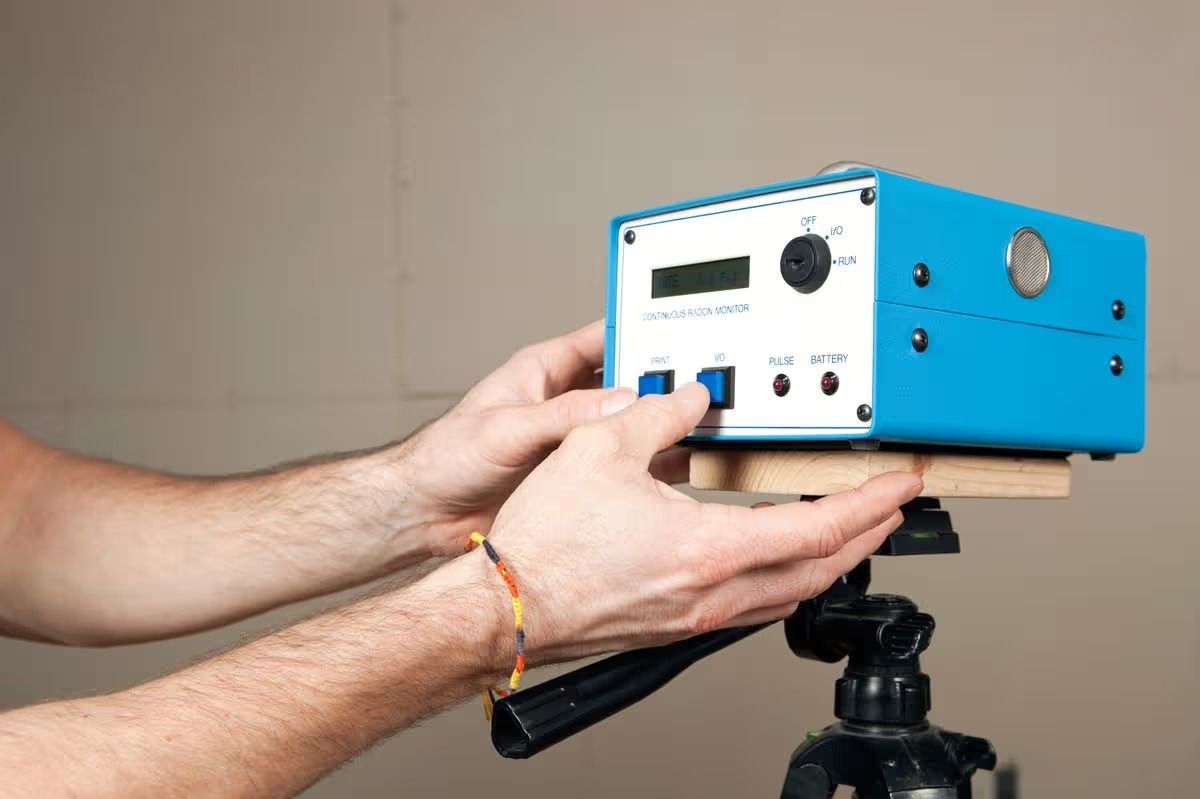
Colorado law also matters. Senate Bill 23-206 took effect August 7, 2023, and requires residential sales contracts to include specified radon information, including the statutory warning and disclosure of known testing, concentrations, reports, and mitigation information. Colorado law also requires radon professionals to be licensed. The Colorado Real Estate Commission lists updated residential contracts and Seller's Property Disclosure forms for use on and after January 1, 2026.
A mitigation system already installed is useful information, but it is not a substitute for a current test. Boulder County similarly recommends testing newly constructed homes even when radon-resistant construction features are present.
3. A Sewer Scope Can Reveal Problems the Interior Inspection Cannot See
For a detached Boulder home, a sewer camera inspection can be valuable because the private service line represents a separate component that is largely invisible during a conventional inspection.
The City of Boulder states that a sanitary sewer customer is responsible for the service line up to and including its connection to the city-owned sewer main. If a problem is found in that private line, the city recommends contacting a plumber to investigate and resolve it.
A sewer scope typically sends a camera through an accessible cleanout or other suitable entry point. The goal is to document the visible condition of the line toward its connection and identify conditions such as:
- Root intrusion
- Cracked or separated sections
- Offset joints
- Obstructions or heavy buildup
- Areas of persistent standing water
- Evidence suggesting previous repair or lining
- A section the camera cannot adequately inspect
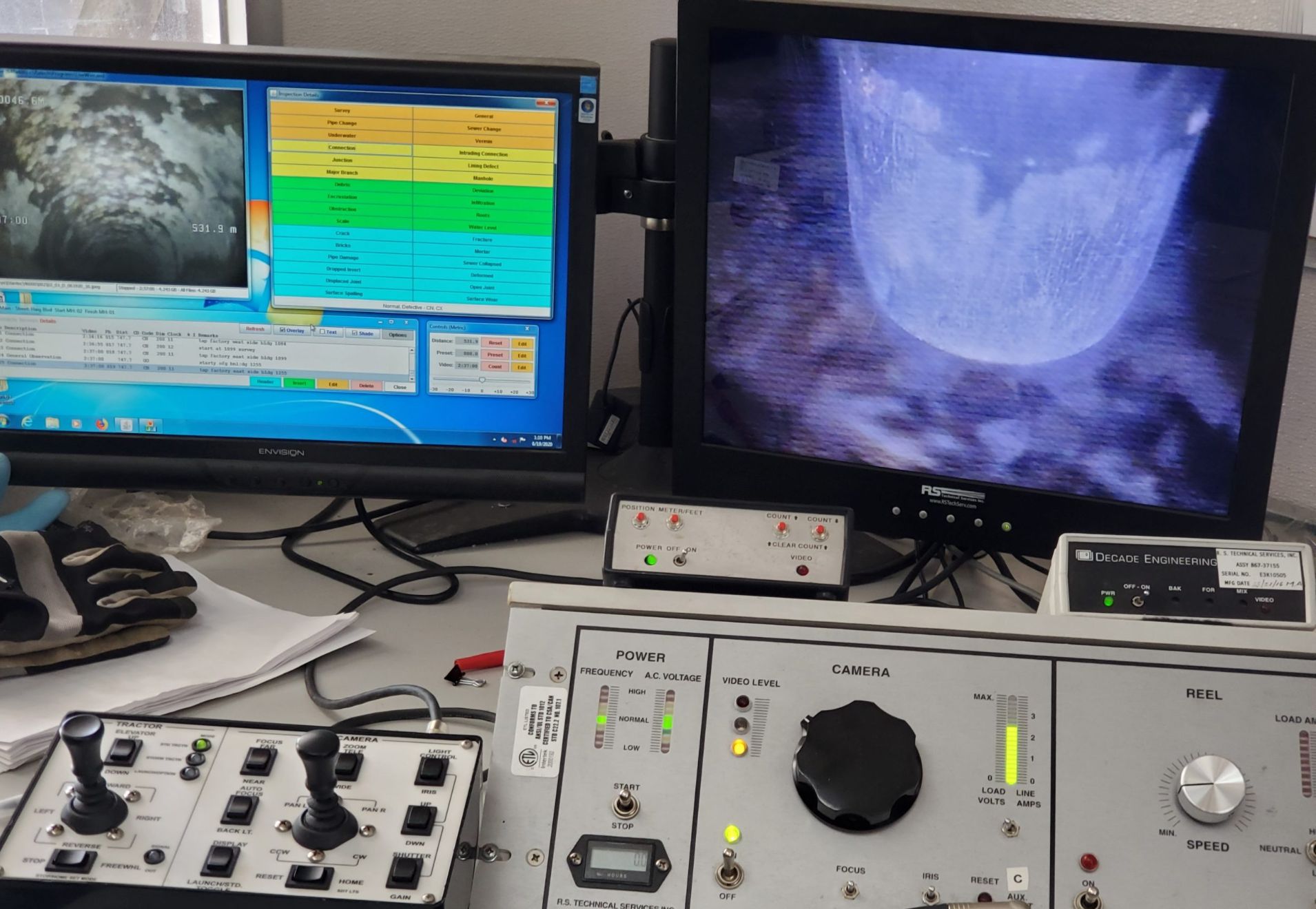
The video alone is not always enough. Buyers should ask for a written interpretation, approximate location of significant defects when possible, and an explanation of whether further plumbing investigation is recommended.
If repairs are proposed within the City of Boulder, permitting requirements depend on the work and its location. The city's 2026 fee schedule includes wastewater permits and inspections, including a category for private-property repairs. Work extending into a public right-of-way can involve additional approvals.
For condos, townhomes, and other common-interest communities, responsibility may be divided differently. Confirm the declaration, maintenance matrix, HOA records, and insurance responsibilities instead of assuming that every sewer segment belongs to the unit owner.
4. Roof Condition Is About More Than the Shingle's Apparent Age
A Boulder roof should be evaluated by condition, installation, permits, drainage performance, and remaining serviceability rather than by one estimated age number.
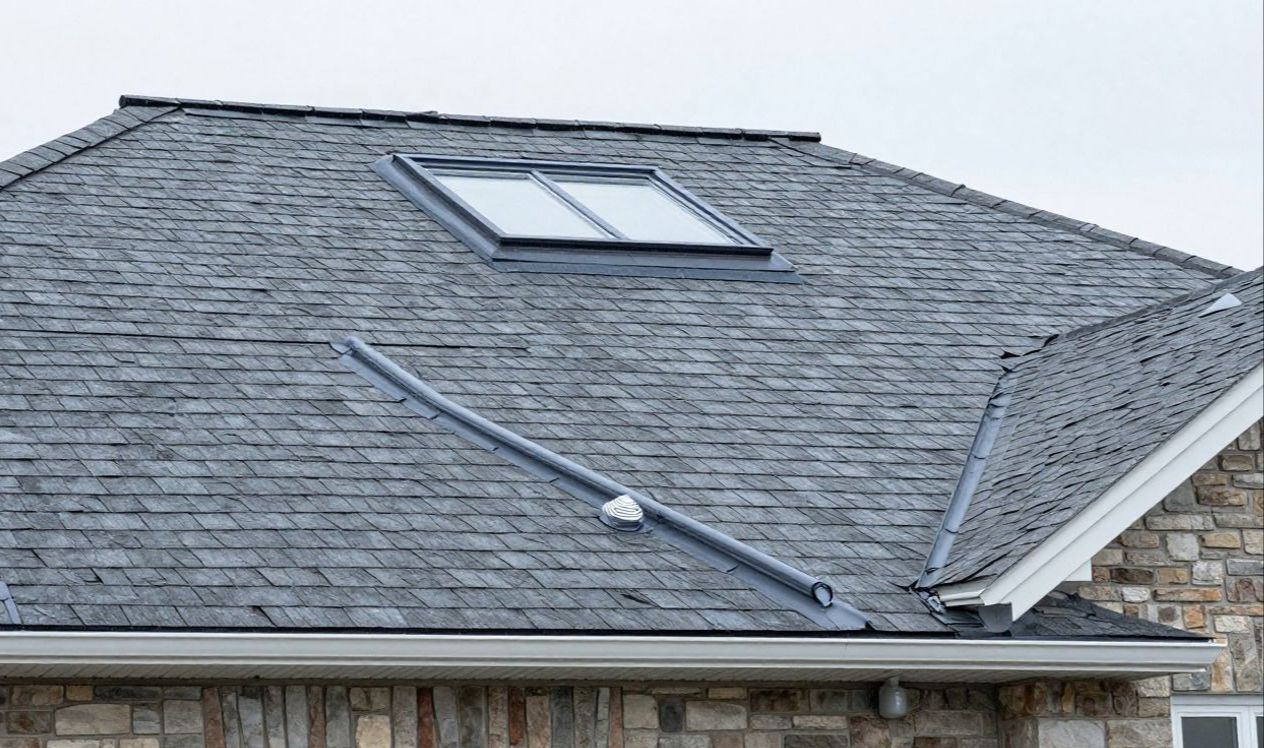
Inspection concerns can include missing or damaged roofing, deteriorated flashing, improper penetrations, evidence of leakage, inadequate repairs, deteriorated sealants, ventilation issues, and conditions around skylights, chimneys, vents, or rooftop equipment. Attic observations matter too because staining, moisture, daylight penetration, or damaged sheathing can add context that is not visible from outside.
Boulder-specific rules are also relevant when evaluating prior or future work. As of August 2026, the City's residential permit guidance states that Class A roofing materials are required and wood roofing materials are prohibited for applicable residential work. The city also requires permits and inspections for regulated work, and its current roof-inspection process calls for documentation of items such as flashing, penetrations and overall roof conditions during permitted projects.
Historic status adds another layer. Exterior roofing changes to an individually designated landmark or a property in a local historic district require historic-preservation review through a Landmark Alteration Certificate.
For a buyer, useful questions include: When was the roof installed? Is there a final permit or completion record? What material was used? Are warranties transferable? Has an insurer placed any restrictions on coverage because of roof condition or age?
An insurance professional should answer the last question before the applicable contract deadlines.
5. Drainage Problems and Floodplain Status Are Related, but They Are Not the Same Thing
A house can have poor site drainage without being in a mapped regulatory floodplain, and a floodplain search does not replace an on-site moisture and grading review.
At the property level, buyers should look at what happens to water after it reaches the roof and ground. Relevant observations include gutters and downspouts, grading near the foundation, low areas next to the structure, window wells, sump systems, retaining conditions, irrigation, basement staining, crawlspace moisture, and where runoff appears to travel.
Mapped flood risk is a separate due-diligence question. The City of Boulder regulates development using FEMA Flood Insurance Rate Maps associated with the 1% annual-chance flood and provides an interactive property-level floodplain map. The city specifically cautions that flooding can occur outside mapped floodplain areas.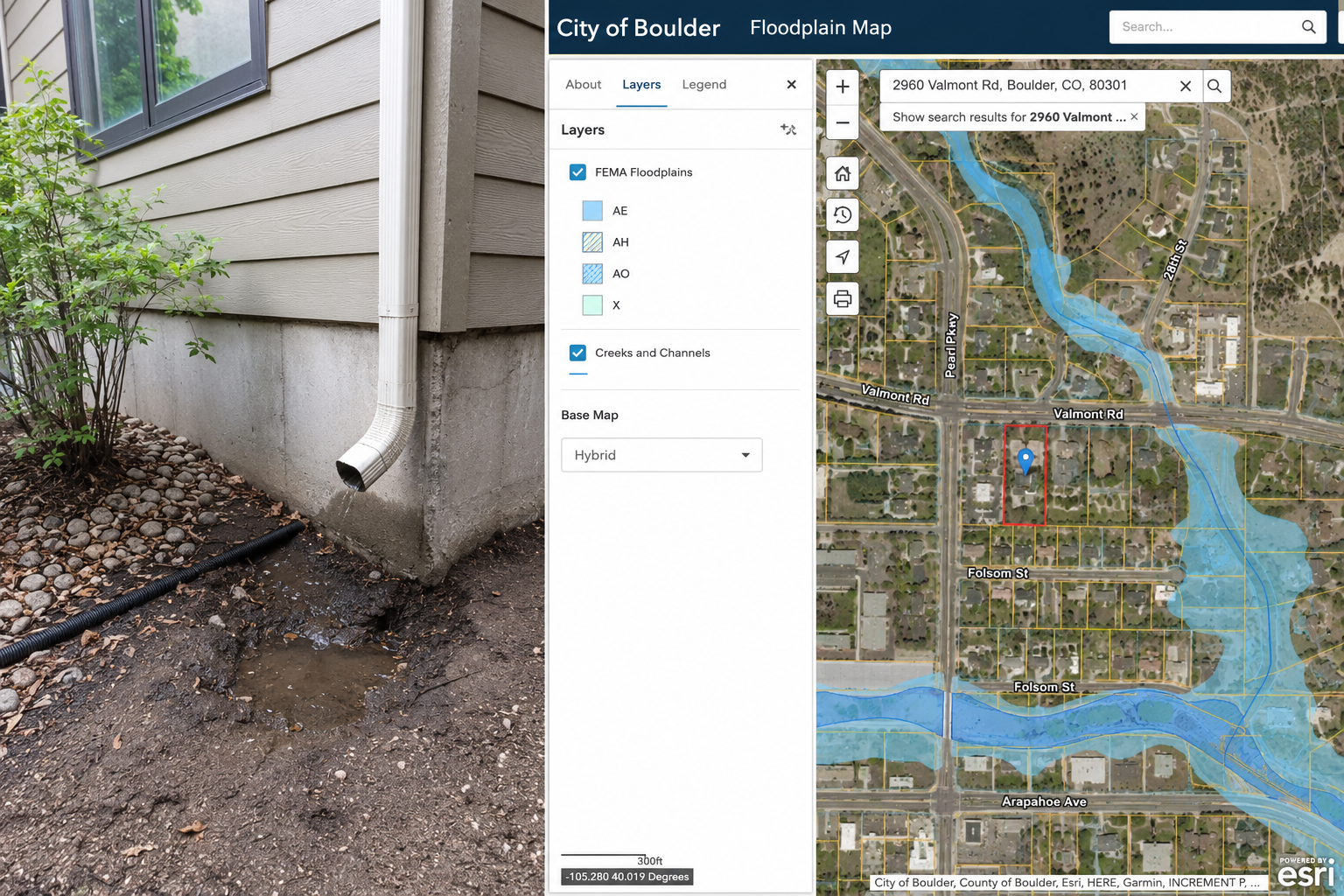
Flood maps can also change. The city notes that maps are periodically revised to reflect factors such as new topography, updated studies, land development, flood events, and mitigation improvements. Buyers should therefore use the current map for the actual address rather than relying on an old listing, appraisal, or previous owner's recollection.
For properties involving significant slopes or areas of potential mass movement, the City of Boulder may require engineering information for certain development work. Its current permit guidance says grading and drainage plans can be required for properties with significant slope concerns, mass-movement potential, or proposed development on slopes of 15% or more.
Insurance, flood-zone determinations, elevation information, soils conditions, and engineered drainage questions should be verified with the applicable agency and qualified professionals.
6. Older Electrical Systems Need Evaluation, Not Assumptions
An older electrical system is not automatically unsafe, but a buyer should understand what is original, what has been altered, and whether significant findings deserve a licensed electrician's review.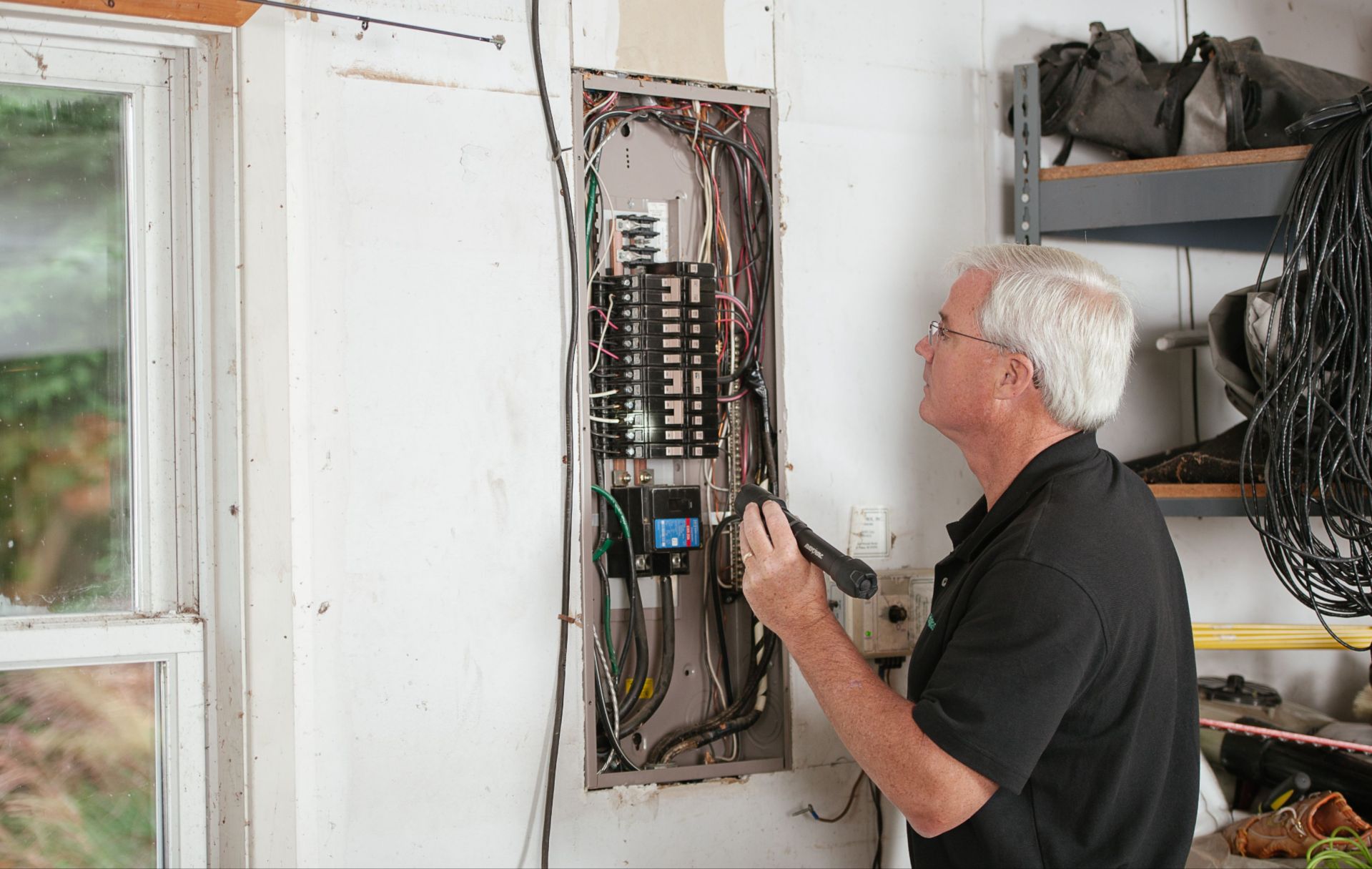
Useful inspection questions include the service and panel configuration, grounding and bonding observations, receptacle condition, visible wiring types, signs of overheating, damaged components, open junctions, amateur-looking modifications, and whether major remodeling appears consistent with the permit history.
One particularly important distinction is between an older installation that simply predates current practices and a condition presenting an actual safety concern. A buyer should avoid assuming that every component must be upgraded solely because today's code is different. At the same time, visible defects, questionable alterations, or insurer concerns should not be dismissed as “normal for an old house.”
If an inspector identifies solid-conductor aluminum branch-circuit wiring, additional review is appropriate. The U.S. Consumer Product Safety Commission has documented fire-hazard concerns associated with deteriorating connections in certain older aluminum branch-circuit installations and publishes specific repair guidance. A licensed electrician should identify the wiring and recommend the appropriate response rather than relying on a visual guess.
The City of Boulder requires permitting for regulated electrical alterations while exempting limited minor repair and maintenance work. For homes with substantial renovations, buyers can compare visible work with available city permit records.
Insurance acceptance can be a separate issue from physical condition or building-code compliance, so buyers should obtain property-specific underwriting guidance directly from their insurer.
7. A Boulder-Specific Inspection Checklist Before You Close
The best approach is to turn inspection findings into a short list of questions that can be answered before your contractual deadlines.
For a Boulder property, consider confirming:
- Radon: Was a current test performed under appropriate conditions? What prior results or mitigation records did the seller disclose?
- Sewer: Was the private lateral scoped, and did the report clearly identify any material defects or areas that could not be viewed?
- Roof: What is the documented installation history? Are permits or final inspections available? Does a roofer recommend further evaluation?
- Drainage: Does water move away from the building appropriately? Are there basement, crawlspace, sump, retaining-wall, or grading concerns?
- Flood and site constraints: What do the current City of Boulder, Boulder County, and FEMA resources show for this particular parcel?
- Electrical: Are there safety findings or older components that merit a licensed electrician's evaluation?
- Permits: Does the visible renovation history correspond reasonably with available permit records?
- Insurance: Will the insurer accept the roof, electrical system, flood exposure, and other property-specific conditions on acceptable terms?
- Attached housing: Which components belong to the owner and which are maintained by the HOA?
The right response to an inspection finding is not automatically to terminate a purchase or demand that every older component be replaced. The goal is to understand the condition, likely scope, available documentation, professional recommendations, and contractual options before making a decision.
Buyers should independently verify property condition, permits, zoning, flood information, insurance, HOA responsibilities, and other property-specific matters with the appropriate professionals and agencies.
If you're evaluating a Boulder home and want help organizing inspection findings, specialist reports, disclosures, permit information, and your transaction deadlines, Eric can help you put the property-specific pieces into context. Online guidance cannot replace the actual contract, inspection, HOA documents, permit record, insurance quote, or advice of the appropriate licensed professional, but it can help you know which questions to ask before you make a decision.
FROM OUR BLOG
Boulder Housing Market October 2026: Are Home Prices Falling?
Updated October 1, 2026 Search for the Boulder housing market right now, and you can find several very different-looking answers. Realtor.com's September 2026 data shows a $910,000 median sold price in Boulder, down 8.5% from a year earlier. Zillow, however, estimates the typical Boulder home value
CU Boulder South Is Closing for Years: What the Flood Project Means for South Boulder Residents and Homebuyers
Updated September 29, 2026 CU Boulder South is about to change dramatically. Beginning the week of October 5, 2026, the entire site, including its existing trails, is scheduled to close to public access while the City of Boulder begins the South Boulder Creek Flood Mitigation Project. Construction i

Family-Friendly Things to Do in Boulder: Parks, Trails & More
Boulder is often associated with serious hiking, climbing, and cycling, but experiencing the city with children does not require turning every outing into an endurance event. Some of Boulder's most useful family activities are much simpler: a playground beside a multi-use path, a short walk around a