Boulder has always been deliberate about growth. Every new development gets scrutinized, debated, and refined before a shovel touches the ground. That process can be slow — but when projects do move forward, they tend to be significant. Right now, three redevelopment projects are actively reshaping the city in ways that will influence Boulder real estate for decades to come.
Whether you're buying, selling, or simply paying attention to where this market is heading, these projects are worth understanding. They're not just new buildings — they're signals about what kind of city Boulder is choosing to become.
THE PEARL ARTS DISTRICT: A ONCE-IN-A-GENERATION CULTURAL BET
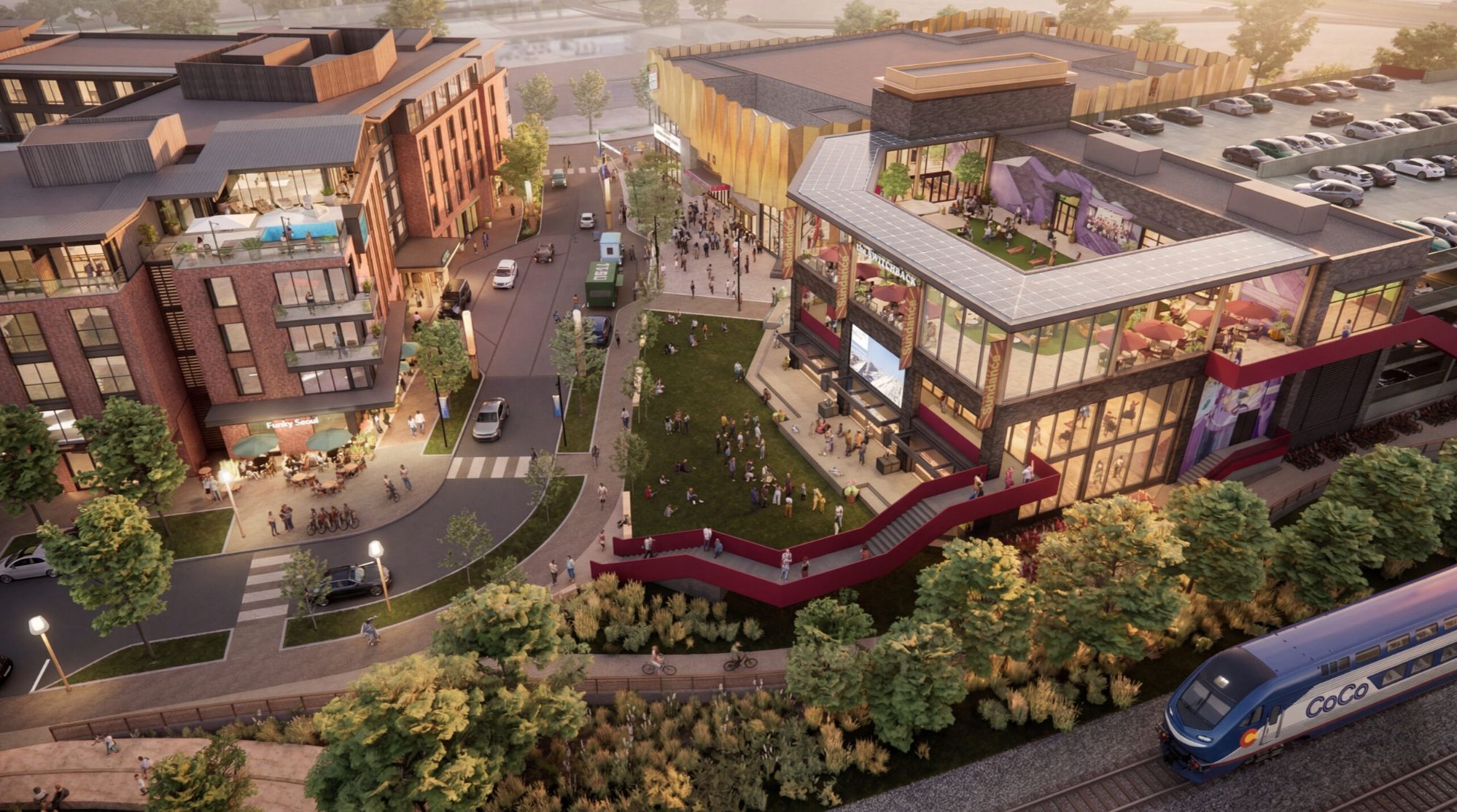
The most ambitious of the three is also the most talked about. The Pearl Arts District is a proposed $632 million, 11-acre redevelopment on Frontier Avenue in East Boulder — just steps from the future Front Range Passenger Rail station — that would bring 500 new housing units, a world-class 2,500-seat performing arts venue, a 125-room hotel, galleries, creative workspace, and ground-floor retail all onto a single, transit-oriented site.
The project is being developed by Conscience Bay Company and entered Boulder's formal review process in early 2026. Planning officials have signaled support for the general concept, though the review process — as with all things in Boulder — is thorough. The project's own economic impact study projects $4.1 billion in economic impact over 30 years, including $2.5 billion in Boulder and Boulder County, along with roughly 390 long-term jobs from the performing arts venue alone.
What makes the Pearl Arts District especially compelling is the Sundance connection. The performing arts venue is designed to become a permanent home for Sundance-affiliated programming — bringing world-class film, music, and creative events to a city that has long had the cultural appetite but not always the infrastructure to match it.
In many cases, major cultural anchors like this reshape the real estate landscape around them over time. Think about what the St. Julien Hotel did for the Walnut Street corridor, or what Boulder's Pearl Street Mall has meant to property values in the surrounding blocks for 40-plus years. A world-class performing arts venue in East Boulder would be a different kind of catalyst — one that could meaningfully shift how buyers and investors perceive that entire quadrant of the city.
It's worth noting that this project is still in review and subject to change. As always, it's best to consult with a local real estate professional for specifics on how nearby developments may affect individual properties.
THE ALPINE-BALSAM PROJECT: BOULDER'S LARGEST AFFORDABLE HOUSING COMMITMENT
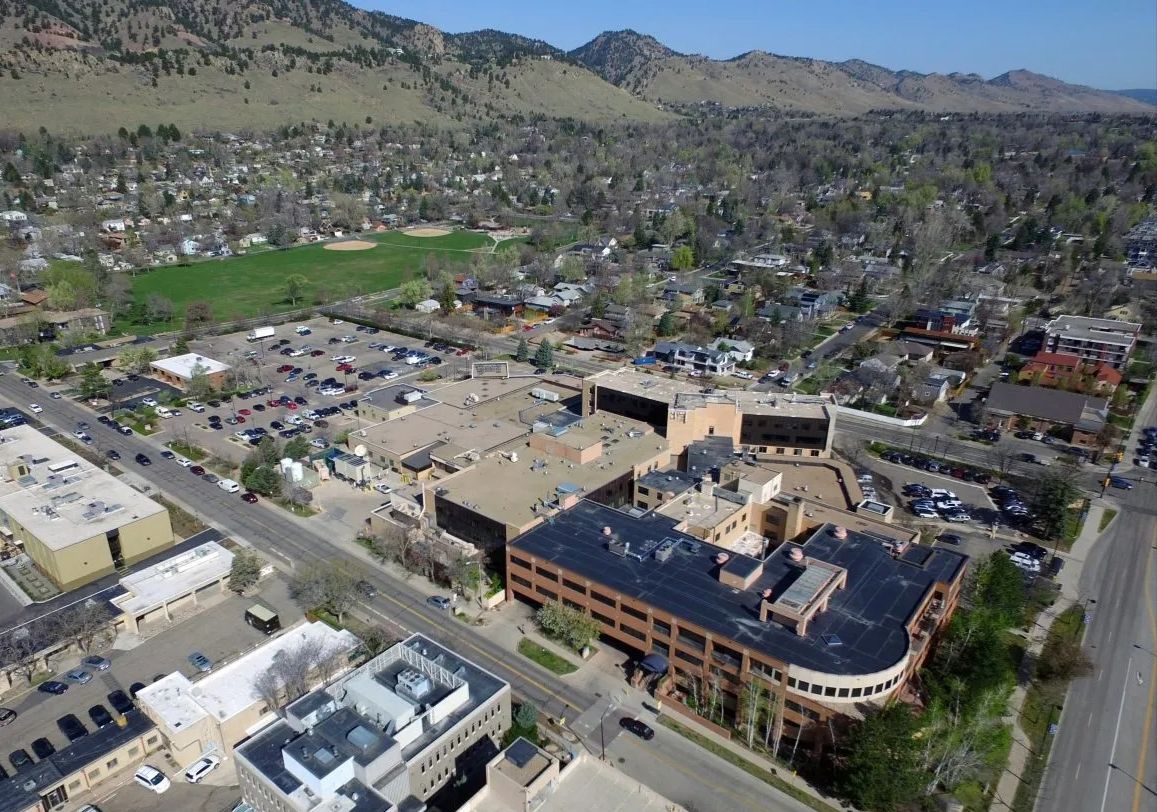
A few miles north, on the west side of Broadway between Alpine Avenue and Balsam Avenue, a very different kind of transformation is already underway. The Alpine-Balsam redevelopment is the city's long-awaited reimagination of the former Boulder Community Health hospital campus — a 10-year project that ceremonially broke ground in December 2024 and is now actively under construction.
The city purchased the site in 2015 for $40 million, spent another $16 million on sustainable deconstruction (diverting nearly 94% of building materials from landfills), and is now building something genuinely mixed in purpose: 157 permanently affordable housing units, 60 market-rate homes, a new Western City Campus consolidating city offices and services, 2,100 square feet of commercial space, flood mitigation infrastructure along Balsam Avenue, new bike lanes, and a multi-use path along the greenway on the site's north edge.
Construction on the Western City Campus is expected to wrap up by spring 2027. Housing construction is expected to begin by late 2026, with Boulder Housing Partners overseeing the affordable units and Coburn Partners handling the market-rate side. ZGF Architects, a firm with a strong track record on mass timber and low-carbon civic buildings, is leading the design.
For a neighborhood like North Boulder — where buyers routinely compete for a limited supply of single-family homes and condos — adding 217 housing units to a walkable, transit-served site near Broadway, North Boulder Park, and established retail is genuinely meaningful. Generally speaking, when city-owned land is developed with this kind of mixed-income intentionality, it tends to stabilize the surrounding market rather than disrupt it. The emphasis on pedestrian experience, sustainability, and neighborhood integration reflects exactly the kind of planning Boulder is known for.
WILLIAMS VILLAGE II: A NEW NEIGHBORHOOD CENTER NEAR CU
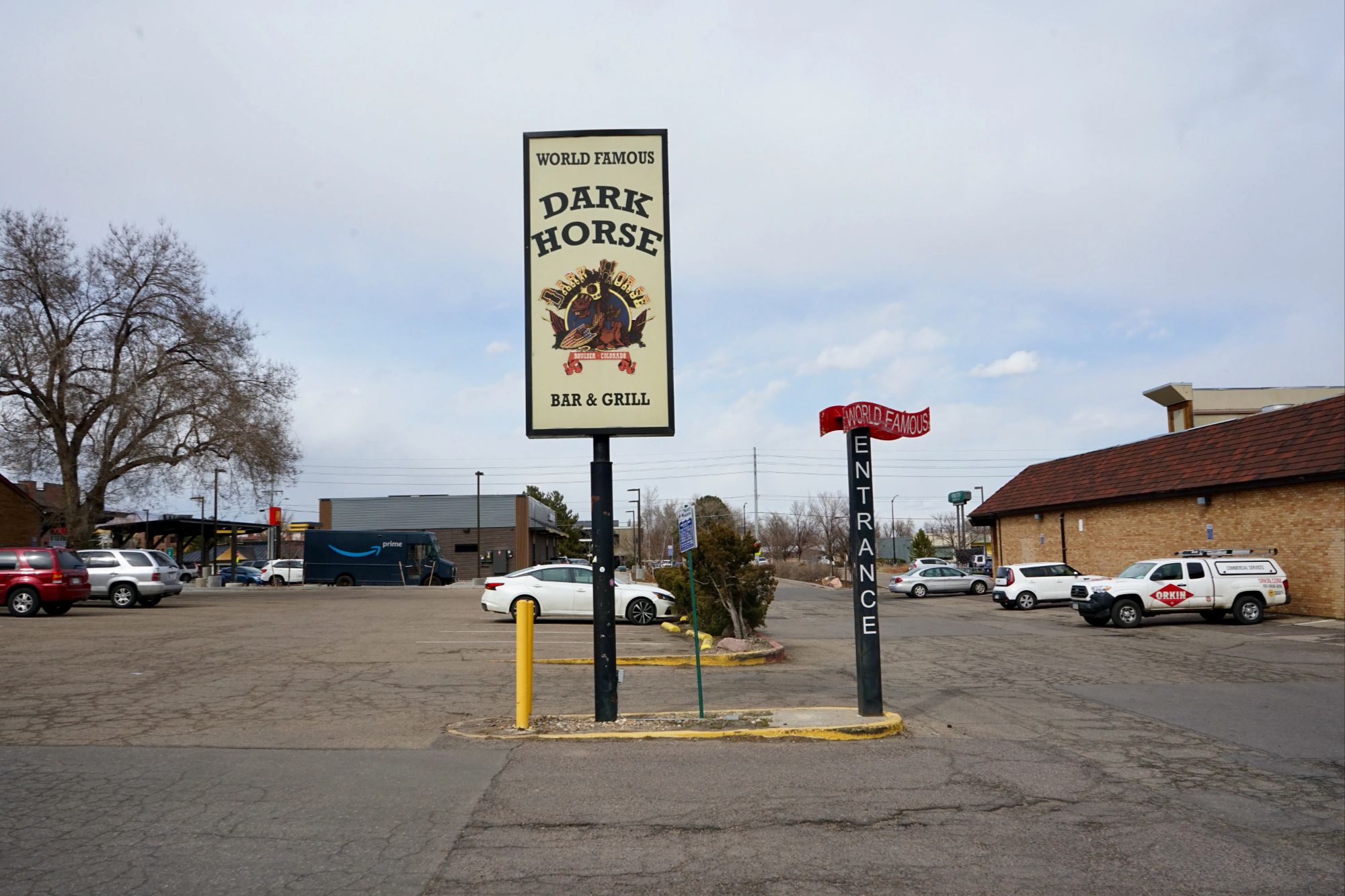
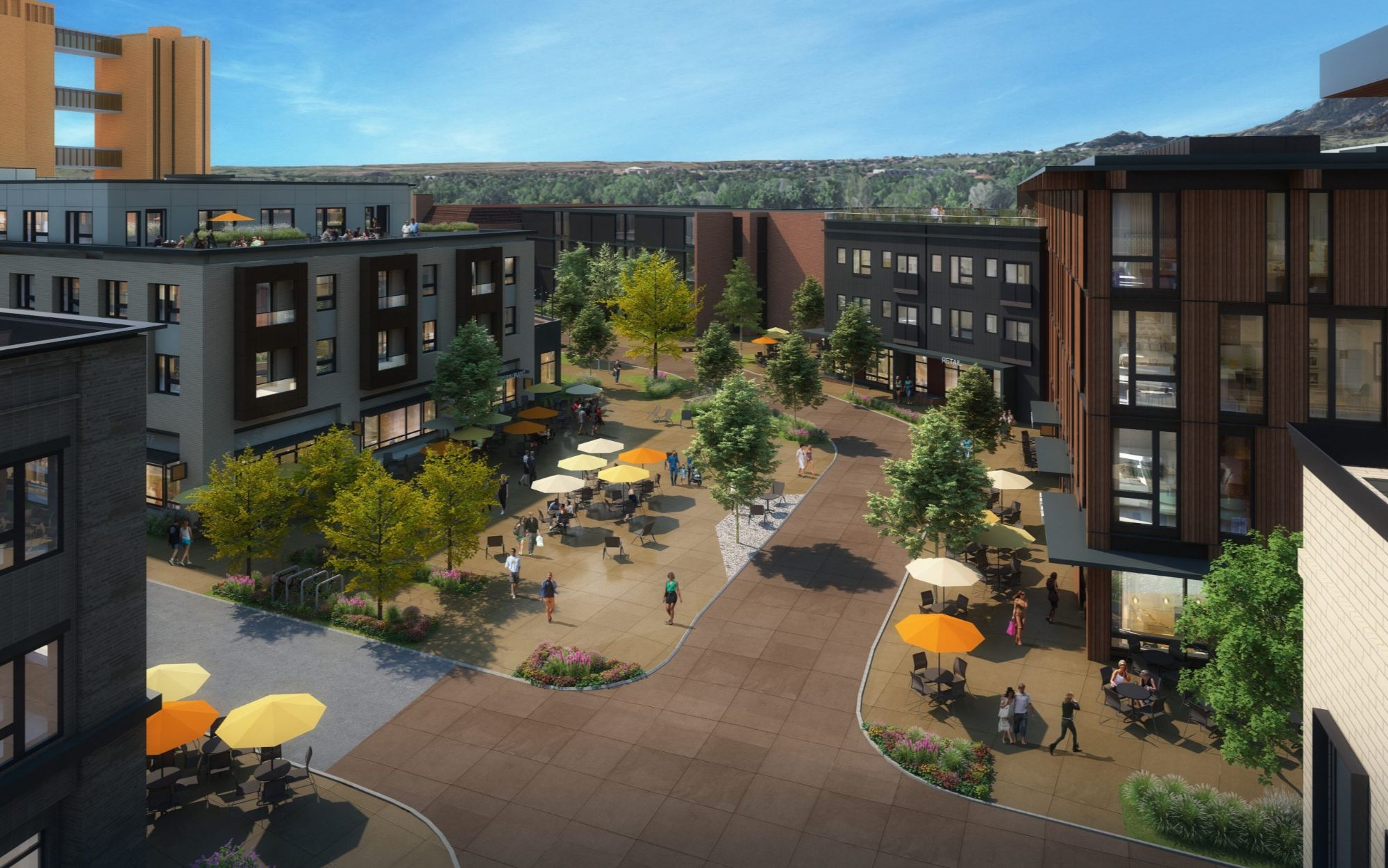
South of campus, at the corner of Baseline Road and 30th Street, a 10-acre suburban retail strip is being replaced with something far more urban. Williams Village II — developed by the Williams Family and Morgan Creek Ventures, both Boulder-based companies — received unanimous City Council approval in November 2025 and is now moving through the final stages of entitlement.
The project will bring approximately 427 housing units to the site, combining student housing, affordable apartments, and market-rate residences within a quarter-mile of CU Boulder's campus. Add to that roughly 52,000 square feet of ground-floor retail and commercial space, a woonerf-style pedestrian-friendly internal street layout, new plazas and community amenities, and the possibility of a neighborhood grocery store — and you have a development that will fundamentally change the character of this stretch of Baseline Road.
More than two-thirds of the current site is a surface parking lot. Replacing that with a walkable, mixed-use neighborhood — all-electric buildings designed to meet Boulder's energy goals, with a $56 million construction loan already secured through Avatar Financial Group — is exactly the kind of density-done-right that Boulder's planning frameworks have been pushing toward. City Council voted 9-0 in favor.
For buyers watching the Boulder real estate market near CU, this project adds a significant amount of new housing supply to one of the city's most chronically undersupplied corridors. For investors, the combination of student demand, proximity to employers, and walkable retail creates a durable demand profile that is worth understanding before the project opens its doors.
The Dark Horse Bar & Grill — a beloved Boulder institution for over 50 years — will be displaced by the redevelopment, although developers have expressed interest in incorporating a new Dark Horse space within the project. That detail matters, because it says something about the community values woven into this development: this isn't a clean-slate teardown, it's a negotiated evolution.
WHAT THESE PROJECTS MEAN FOR BOULDER REAL ESTATE
Three projects. Three very different parts of Boulder. Three different visions for what growth should look like. But taken together, they point toward something consistent: Boulder is adding density, housing, and mixed-use vitality in deliberate, transit-adjacent locations — and doing so with a level of design care and community input that sets it apart from most cities its size.
For buyers, this means more options coming to market in neighborhoods that are actively improving. For sellers in proximity to these projects, neighborhood narrative and walkability scores are only going to strengthen over time. And for investors tracking Boulder real estate, these three developments represent the kind of long-horizon signals that informed portfolio decisions are built around.
In many cases, the most valuable thing a buyer or investor can do right now is understand not just where the market is today, but where the city has committed to taking it. That's the kind of context I work to bring to every conversation.
FROM OUR BLOG
Boulder Housing Market October 2026: Are Home Prices Falling?
Updated October 1, 2026 Search for the Boulder housing market right now, and you can find several very different-looking answers. Realtor.com's September 2026 data shows a $910,000 median sold price in Boulder, down 8.5% from a year earlier. Zillow, however, estimates the typical Boulder home value
CU Boulder South Is Closing for Years: What the Flood Project Means for South Boulder Residents and Homebuyers
Updated September 29, 2026 CU Boulder South is about to change dramatically. Beginning the week of October 5, 2026, the entire site, including its existing trails, is scheduled to close to public access while the City of Boulder begins the South Boulder Creek Flood Mitigation Project. Construction i
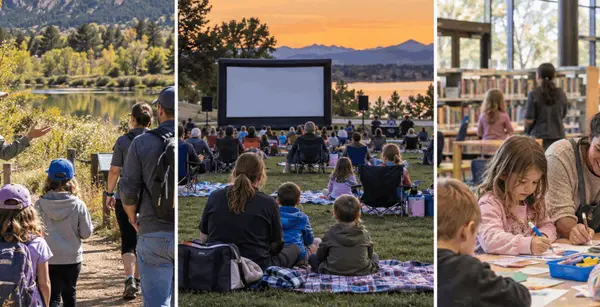
Family-Friendly Things to Do in Boulder: Parks, Trails & More
Boulder is often associated with serious hiking, climbing, and cycling, but experiencing the city with children does not require turning every outing into an endurance event. Some of Boulder's most useful family activities are much simpler: a playground beside a multi-use path, a short walk around a