Boulder is expensive because it offers something a lot of places cannot: a small, highly livable city with major outdoor access, strong identity, and limited room to grow. That combination sounds simple, but in real estate terms, it is powerful. You have demand from buyers who want the Boulder lifestyle, and a supply picture that stays tight because the city protects a lot of what makes Boulder Boulder in the first place.
There is only so much Boulder to go around
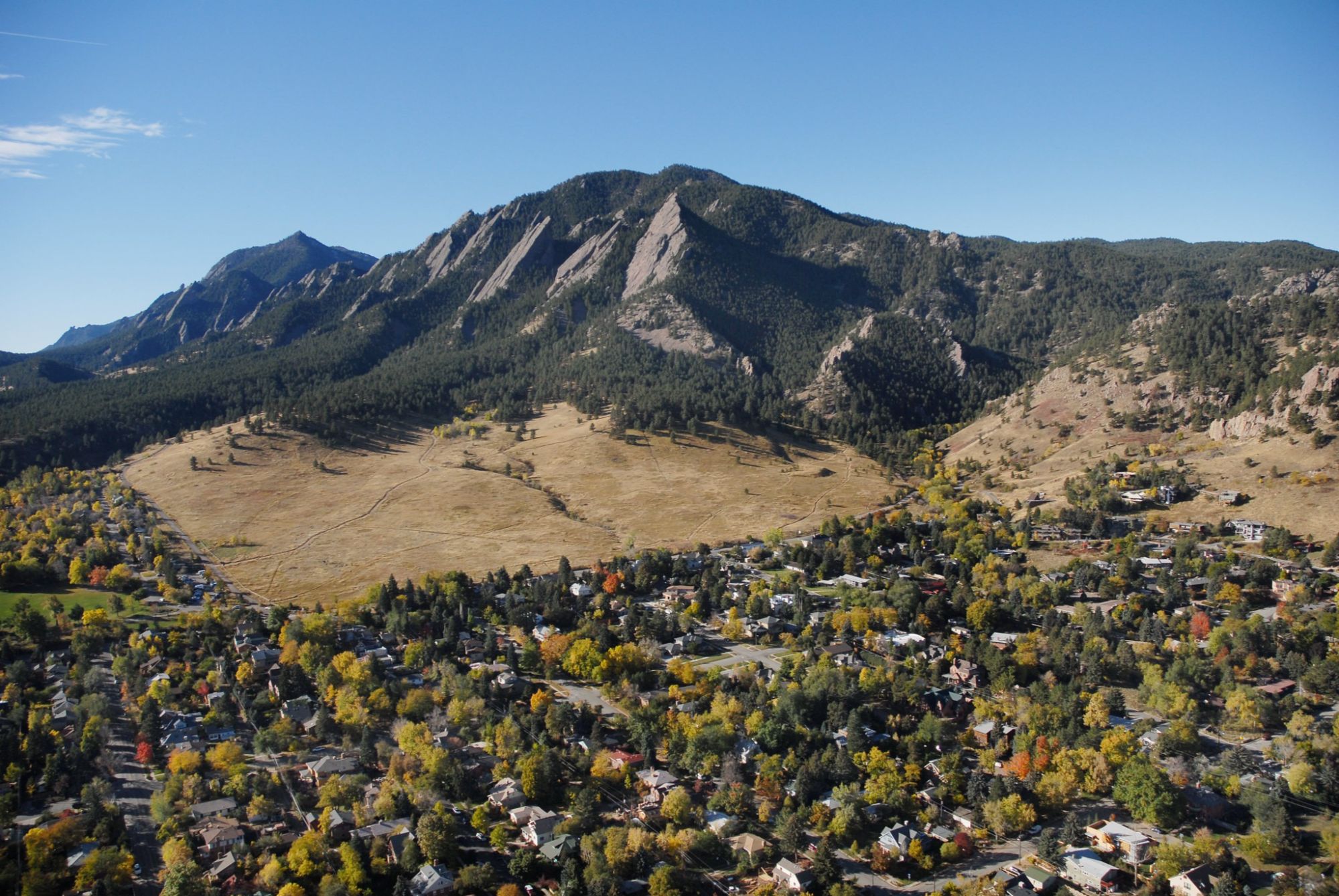
One of the clearest reasons Boulder real estate stays pricey is land scarcity. The City of Boulder says Open Space and Mountain Parks manages more than 45,000 acres of permanently protected land and about 155 miles of trails. The Boulder Valley Comprehensive Plan is built around protecting the natural environment while guiding growth, and the city’s affordable housing dashboard says the total number of homes in Boulder generally grows at only about 1% per year.
That does not mean nothing gets built. It means Boulder is not expanding outward the way many Front Range communities do. So when demand rises, prices feel it faster. Generally speaking, that is one of the clearest explanations for why Boulder homes for sale often command a premium over nearby options. That last point is an inference drawn from the city’s land-protection and housing-growth context, plus current market pricing.
People are paying for a very specific lifestyle
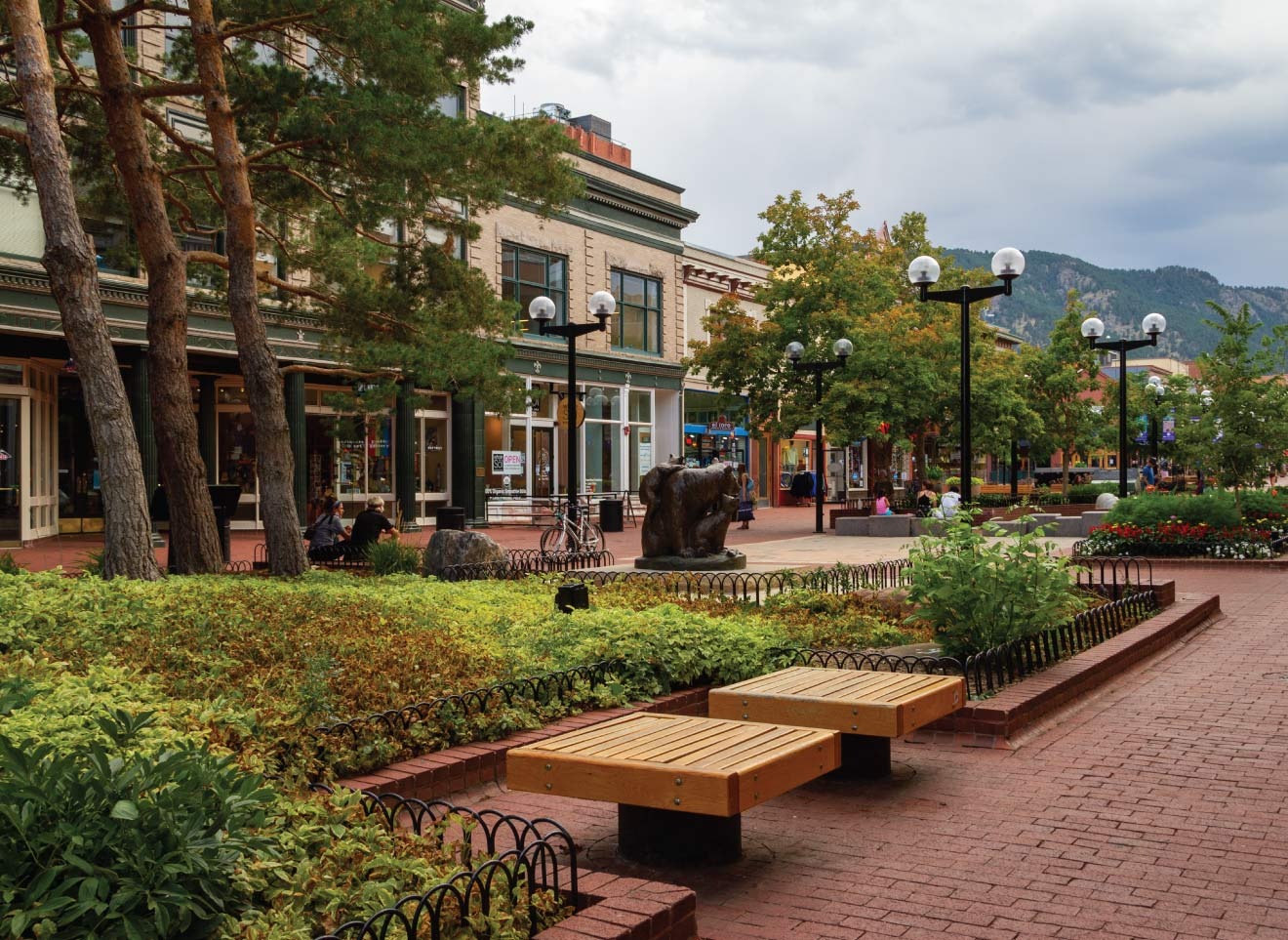
Boulder is not expensive just because of the mountains. It is expensive because of the full package: trails, a walkable downtown core, university energy, established neighborhoods, and a city identity that feels distinct. Visit Boulder describes Pearl Street as the “heart and soul” of Boulder, and that is more than tourism language. It captures the reason people are willing to stretch for this market.
CU Boulder adds to that demand as well. The university says it has more than 38,000 students, and CPR reported enrollment at 38,428 in fall 2024 after a 3.4% increase. That steady student, faculty, staff, and alumni pull is one more reason Boulder keeps attracting people who want to live, rent, invest, or stay connected here long term.
The pricing is real, even when the market softens
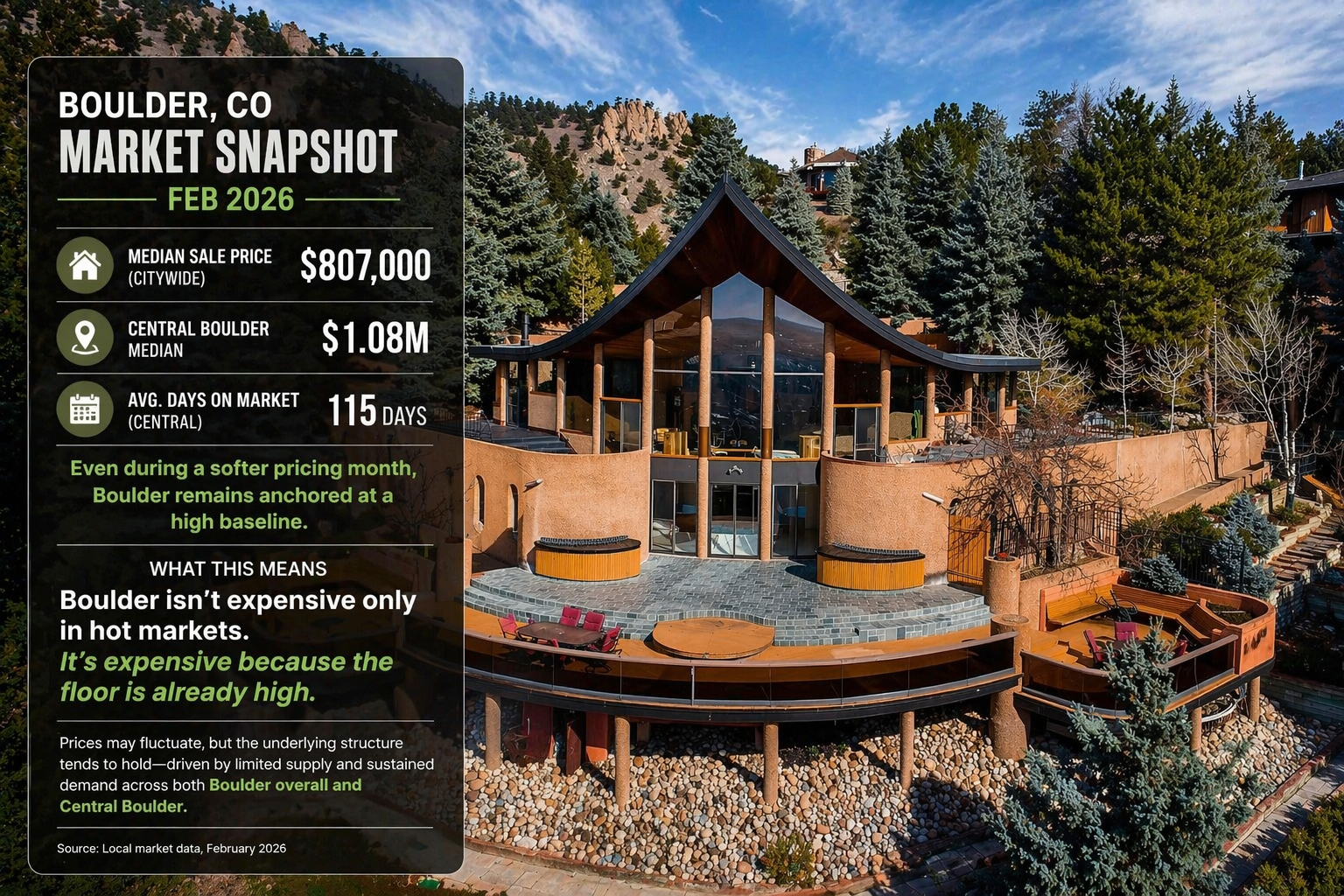
Redfin’s February 2026 data shows a median sale price of about $807,000 in Boulder citywide. In Central Boulder, the median was about $1.08 million, with homes averaging 115 days on market. So even in a month where prices were softer than the year before, Boulder was still operating from a high baseline.
That is important because people sometimes assume Boulder is expensive only when the market is overheated. It is not. Boulder tends to be expensive because its floor is already high. The exact number moves. The underlying structure usually does not. That is an inference, but it is supported by the city’s supply constraints and the consistently elevated price levels in both Boulder overall and Central Boulder specifically.
Not every Boulder neighborhood carries the same premium
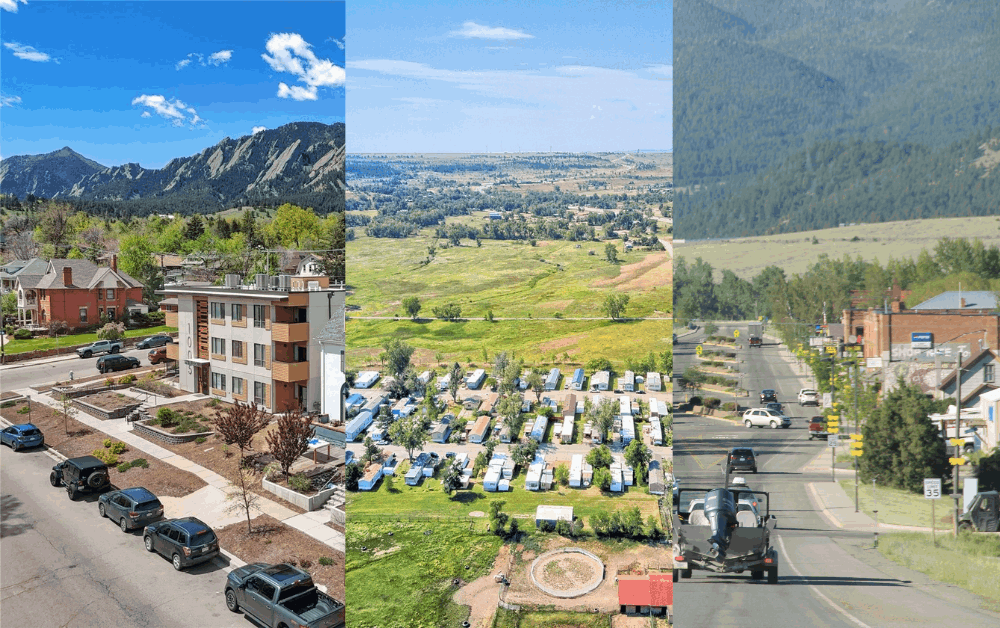
This part matters for buyers and sellers. “Boulder is expensive” is true, but it is not evenly true. Central Boulder, Mapleton Hill, Newlands, and Chautauqua-adjacent areas tend to command a different level of pricing than more edge-of-town or attached-home options. That is one reason working with a local Boulder real estate lens matters so much. The city may be small, but the pricing differences inside the map can still be meaningful. That neighborhood spread is an inference supported by the Central Boulder pricing data and Boulder’s neighborhood-specific lifestyle differences.
For people moving to Boulder, this is the real question: are you paying for Boulder in general, or are you paying for a very specific version of Boulder? Those are not always the same number.
So, is Boulder worth it?
That depends on what you value. If your priority is maximum house for the money, Boulder is usually not the cheapest answer. If your priority is access, identity, outdoors, and long-term lifestyle appeal, Boulder starts making a lot more sense. That is why buyers keep coming, why sellers still benefit from strong positioning, and why investing in Boulder real estate continues to attract people who believe scarcity and quality travel well together. The investment takeaway is an inference, grounded in the combination of limited supply, strong demand drivers, and current price levels.
Boulder is expensive because it is hard to replicate. And in real estate, places that are hard to replicate usually do not stay cheap for long.
FROM OUR BLOG
Boulder Rental License Requirements 2026: Fees, Inspections & How to Apply
Renting out a home in Boulder involves more than finding a tenant, setting a monthly rent, and signing a lease. Before most residential properties inside Boulder city limits can legally be advertised or rented, the owner must obtain a rental housing license from the City of Boulder. That requirement
Boulder Homeowners Insurance 2026: Wildfire, Hail & What Buyers Need to Know
Buying a home in Boulder involves more than finding the right neighborhood, negotiating a purchase price, and qualifying for a mortgage. There is another important consideration that can affect both the monthly cost of ownership and the ability to complete a purchase: homeowners insurance. In Boulde
Boulder Down Payment Assistance 2026: How First-Time Buyers Can Get Up to $100,000
For many Boulder buyers, the challenge is not simply qualifying for a monthly mortgage payment. It is getting enough cash together for the down payment, closing costs, reserves, and everything else that comes with buying a home in one of Colorado's more expensive housing markets. What many buyers do