Three Boulder neighborhoods are evolving faster than anywhere else in the city — and for buyers, sellers, and investors watching the Boulder real estate market, that evolution represents a rare opportunity to get ahead of the curve.
Boulder Junction is crossing the finish line on a long-held city vision. The NoBo Art District just received a prestigious state designation that puts it on Colorado's official creative map. And East Boulder is quietly becoming the most ambitious urban reinvention the city has attempted in a generation. Together, they tell a compelling story about where Boulder is heading — and what it means for the people buying, selling, and investing here right now.
Boulder Junction Is Becoming What It Was Always Meant to Be
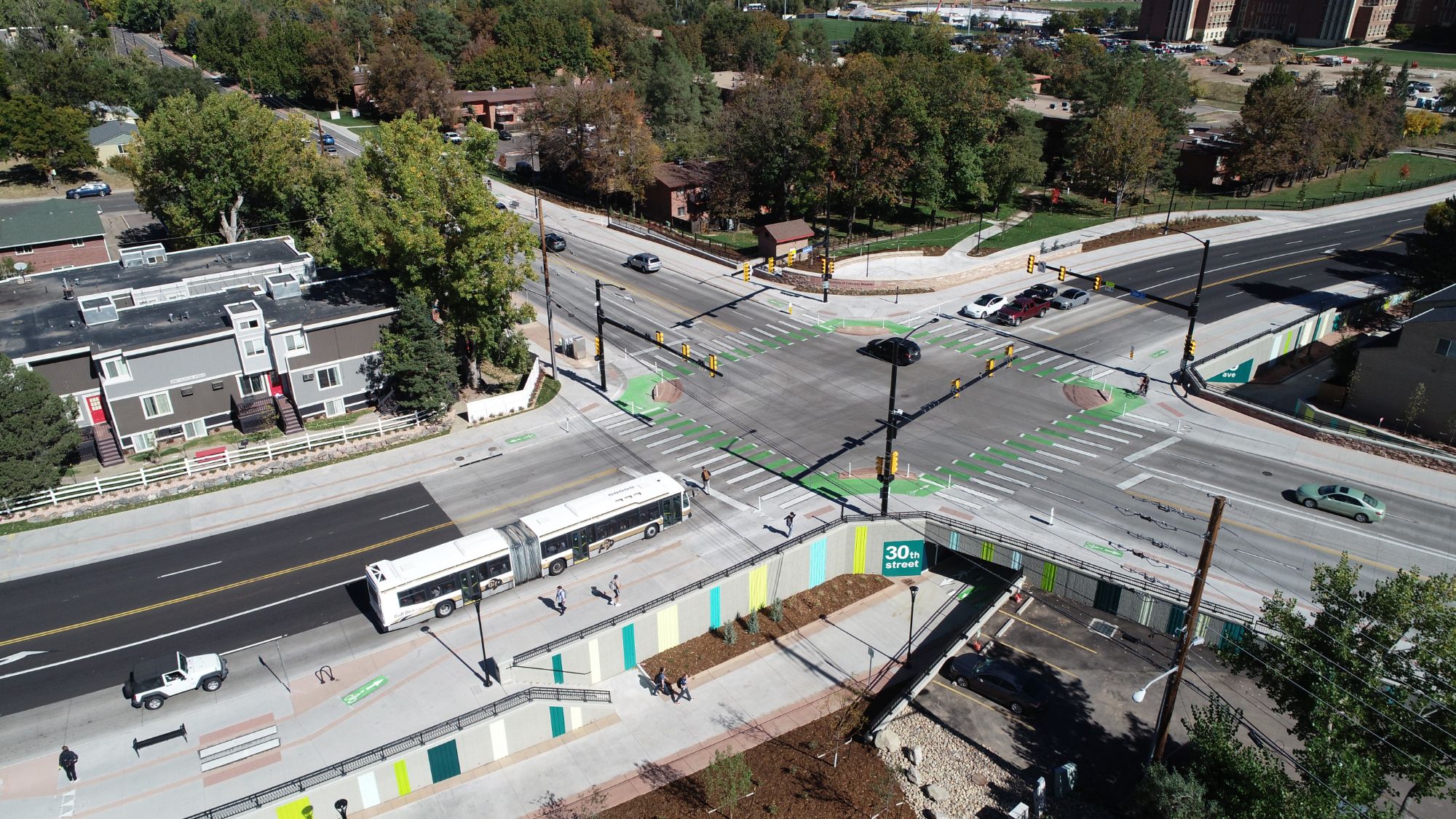
If you've driven through Boulder Junction lately — the mixed-use area centered around 30th Street, Pearl Street, Valmont Road, and Foothills Parkway — you've seen something taking shape. Apartments above ground-floor retail. Bike lanes that feel genuinely safe. A regional transit hub that gets you to Denver without touching your car. The lifestyle here leans urban-lite in the best possible sense.
What makes 2026 different is that Boulder Junction is finally becoming what it was always planned to be. The city's Transit Village Area Plan, originally adopted in 2007, laid out a 160-acre vision for this geographic center of Boulder to evolve into a lively, pedestrian-oriented place where people live, work, shop, and connect to regional transit. Phase 1, west of the railroad tracks, is largely complete. Phase 2, east of the tracks, is now in active implementation — with land use updates guiding new development toward that long-range vision.
What that means on the ground: more housing density, more flexibility in how parcels can be used, and a sustained push toward transit-oriented development that makes neighborhoods feel less car-dependent and more human in scale. In many cases, transit-proximate districts have a reliable track record when it comes to long-term property value. When walkability improves, when daily errands become bikeable, when getting to Denver takes 45 minutes without a car — housing demand follows.
This isn't speculative energy. It's infrastructure investment catching up to a vision that's been 17 years in the making — and that long runway of city planning provides a level of certainty that's genuinely rare in Boulder real estate.
The NoBo Art District Is Now Colorado's Official Creative Hub
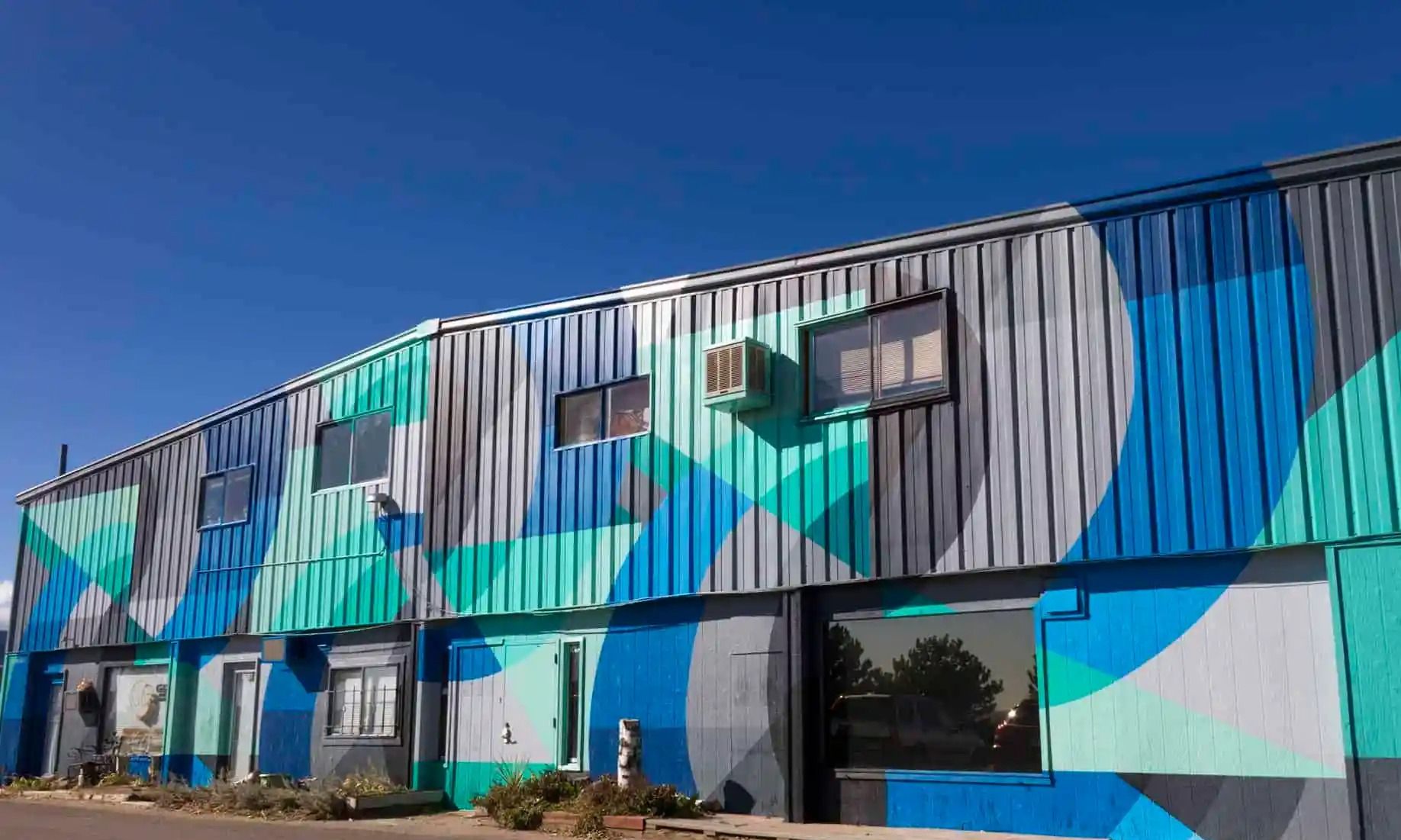
North Boulder has had a creative energy for years. Anyone who has wandered the Emerald City warehouse district on a First Friday knows exactly what it feels like: more than 200 artists and creative businesses operating along the Broadway corridor in a mix that feels genuinely organic — upscale new urbanism alongside working studios; high-end restaurants steps from gallery spaces.
But late 2025 made it official. The NoBo Art District was awarded Colorado Creative District certification by the State of Colorado — a designation earned through a rigorous process that recognizes communities using arts and culture as economic and civic anchors. Colorado's creative industries collectively contribute $19.7 billion and more than 121,000 jobs to the state's economy, and NoBo is now formally part of that recognized ecosystem.
The district's First Friday Artwalk drew over 8,000 visitors in 2024, spread across 11 monthly events featuring 800 artists in more than 200 studios and venues. Plans for a future creative campus that could eventually anchor the Boulder Museum of Contemporary Art would give the district the kind of institutional gravity that changes neighborhood trajectories entirely.
Generally speaking, there's a well-documented pattern in cities that formalize arts districts: they attract creative workers, small businesses, and walkable retail — and that community investment tends to lift the surrounding residential market over time. If you've been considering moving to Boulder and want a neighborhood with more texture than Pearl Street, NoBo is worth a serious look.
East Boulder Is Undergoing the City's Most Ambitious Reinvention
East Boulder has long been understood as the city's employment engine — research hubs, climbing gyms, tech companies, industrial buildings. The kind of zone you drive through, not linger in. That story is changing dramatically.
The East Boulder Subcommunity Plan, adopted by City Council in October 2022, represents one of the most far-reaching planning commitments Boulder has made in decades. The vision: transform East Boulder over the next two decades into a mixed-use, transit-connected, walkable neighborhood where people not only work but actually live — with restaurants, services, and everyday amenities all accessible without a car. The city updated the Form Based Code for the area in March 2025, and the first housing project under these new rules was unanimously approved by City Council in early 2026.
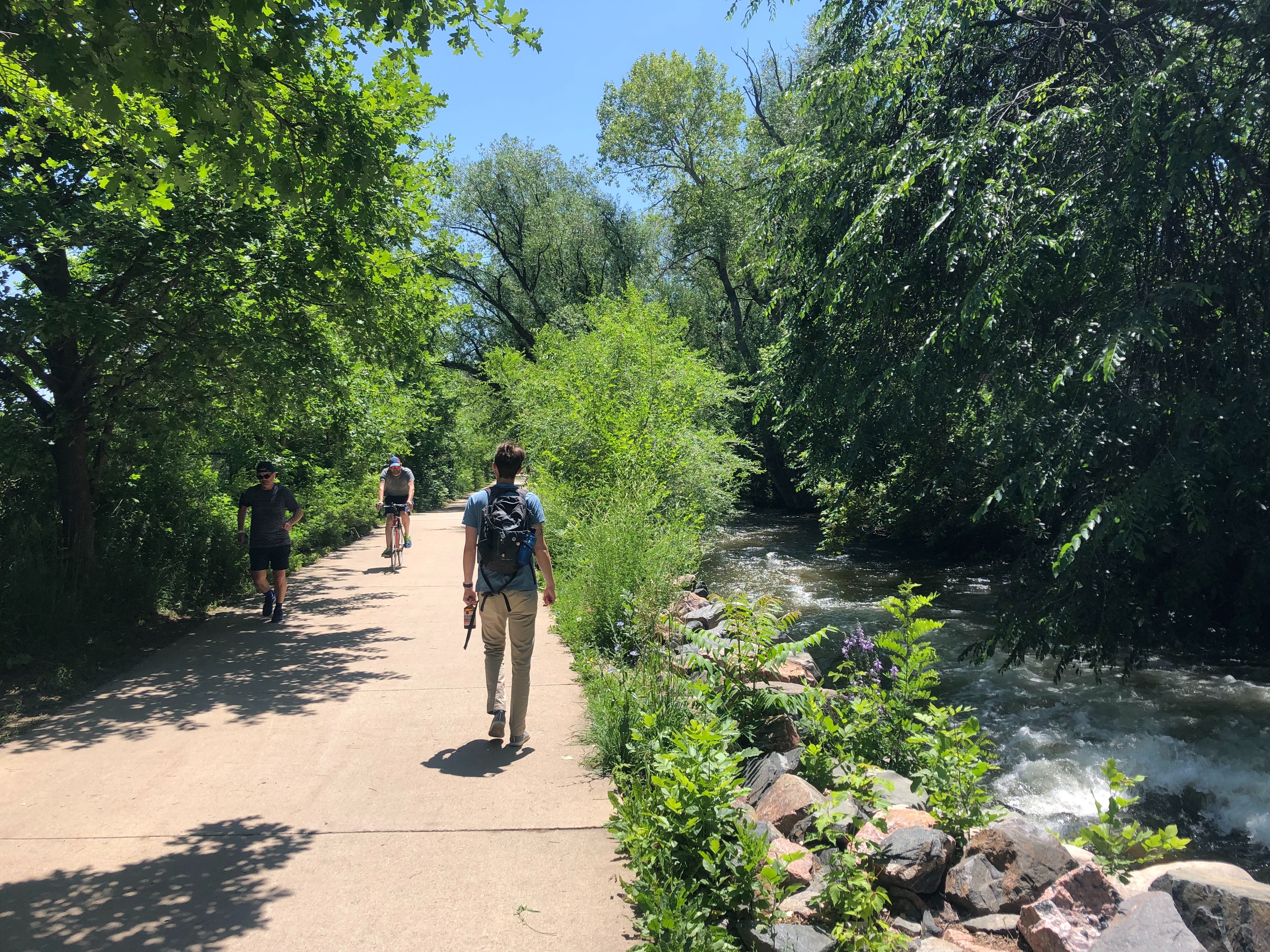
Here's what makes East Boulder compelling beyond the planning documents: the neighborhood already has a lot of the right ingredients. Wide multi-use paths with access to the Goose Creek Trail. Rock climbing gyms. Biotech and research employers that anchor steady demand. A personality that leans active, curious, and a little unconventional — which fits Boulder perfectly. What it has lacked is housing and the walkable daily services that make a neighborhood feel complete. The subcommunity plan addresses that directly.
For those investing in Boulder real estate, East Boulder represents something rare: an area where city planning has explicitly committed to adding housing and improving livability, where major employers anchor demand, and where values still reflect the "before" picture rather than the "after." That won't last forever — which is, of course, the point.
What This Means for Buyers, Sellers, and Investors Right Now
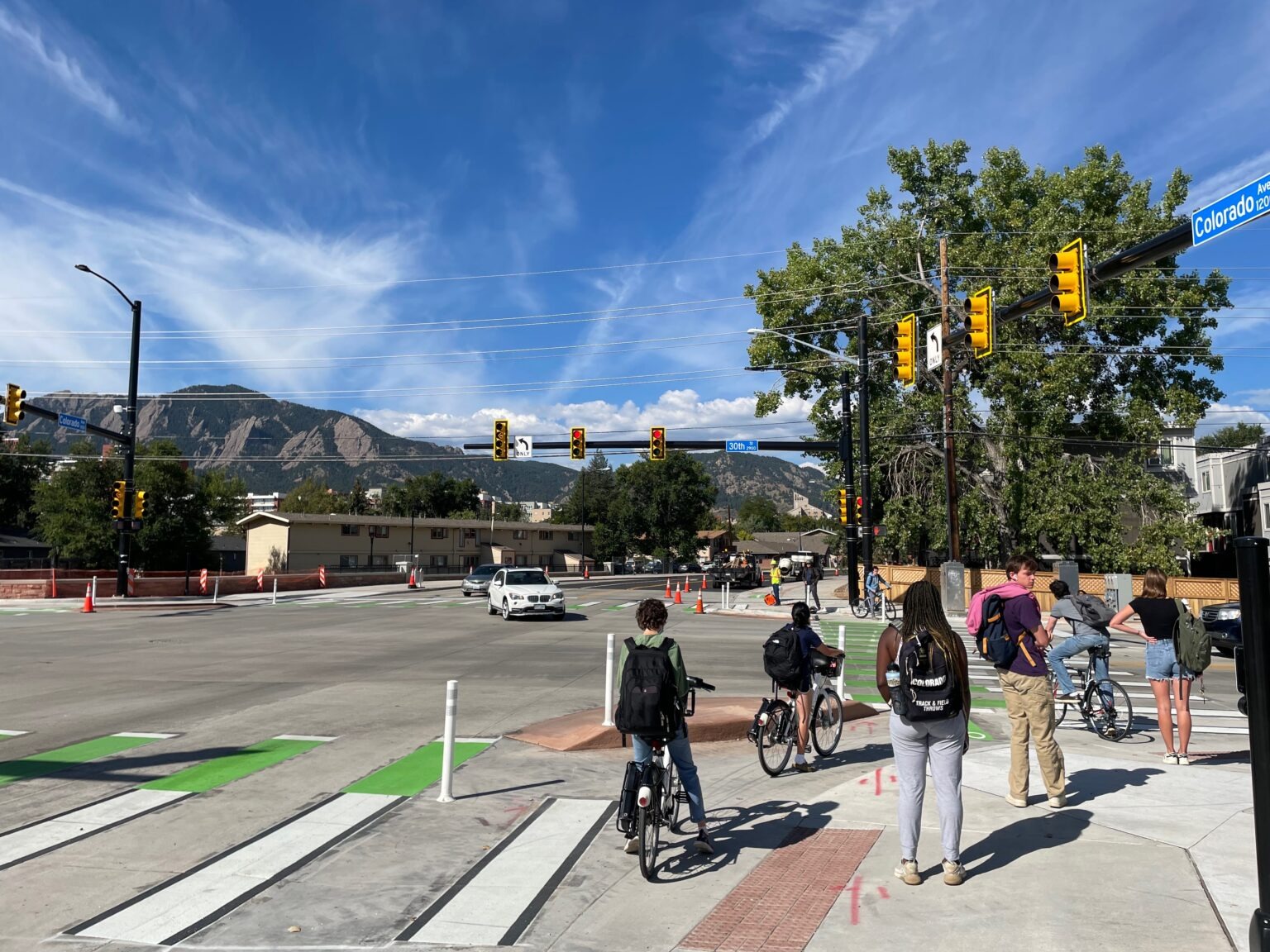
Step back and look at these three neighborhoods together and a clear theme emerges: Boulder is deliberately building complete neighborhoods. Places where you can live, work, create, and move around without defaulting to your car for every errand. That's not a new idea for Boulder — it's actually core to what has made the city's real estate market hold its value so persistently over time.
Boulder's broader market has moved toward more balance over the past year. Inventory is up, and buyers generally have more time to evaluate options than they did in the frenzied years of 2021 and 2022. That makes this an interesting moment. If you've been watching the market from the sidelines, emerging neighborhoods offer a window that tends to close once transformation becomes obvious to everyone.
For buyers, these neighborhoods offer genuine lifestyle upside alongside relative opportunity in a market that still commands premium prices. For sellers, improved infrastructure and designations like NoBo's Creative District status give your agent a stronger story to tell at listing time. And for investors, the combination of deliberate city planning, employer density, and active lifestyle infrastructure creates fundamentals worth taking seriously.
In many cases, the best real estate decisions in a market like Boulder come from understanding not just the listing, but the broader context — where a neighborhood is heading, what the city has committed to building, and how your situation intersects with the market right now. It's always best to consult with a local real estate professional who can connect those dots for you.
FROM OUR BLOG
Boulder Housing Market October 2026: Are Home Prices Falling?
Updated October 1, 2026 Search for the Boulder housing market right now, and you can find several very different-looking answers. Realtor.com's September 2026 data shows a $910,000 median sold price in Boulder, down 8.5% from a year earlier. Zillow, however, estimates the typical Boulder home value
CU Boulder South Is Closing for Years: What the Flood Project Means for South Boulder Residents and Homebuyers
Updated September 29, 2026 CU Boulder South is about to change dramatically. Beginning the week of October 5, 2026, the entire site, including its existing trails, is scheduled to close to public access while the City of Boulder begins the South Boulder Creek Flood Mitigation Project. Construction i
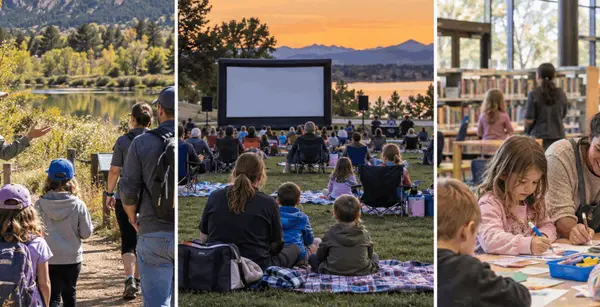
Family-Friendly Things to Do in Boulder: Parks, Trails & More
Boulder is often associated with serious hiking, climbing, and cycling, but experiencing the city with children does not require turning every outing into an endurance event. Some of Boulder's most useful family activities are much simpler: a playground beside a multi-use path, a short walk around a