Colorado’s proposed new passenger rail line now has a name: Colorado Connector, or CoCo. State officials say the starter service from Fort Collins to Denver is currently estimated to cost $333 million to build, with about $30 million a year in operating costs.
Axios reports the route would include stops in Loveland, Longmont, Boulder, Louisville, Broomfield, Westminster, and Denver, with three daily round-trips if the plan moves forward. The Front Range Passenger Rail District still describes the project as being in evaluation and design development, so this is real progress, but it is not a finished deal yet.
Why Boulder should care
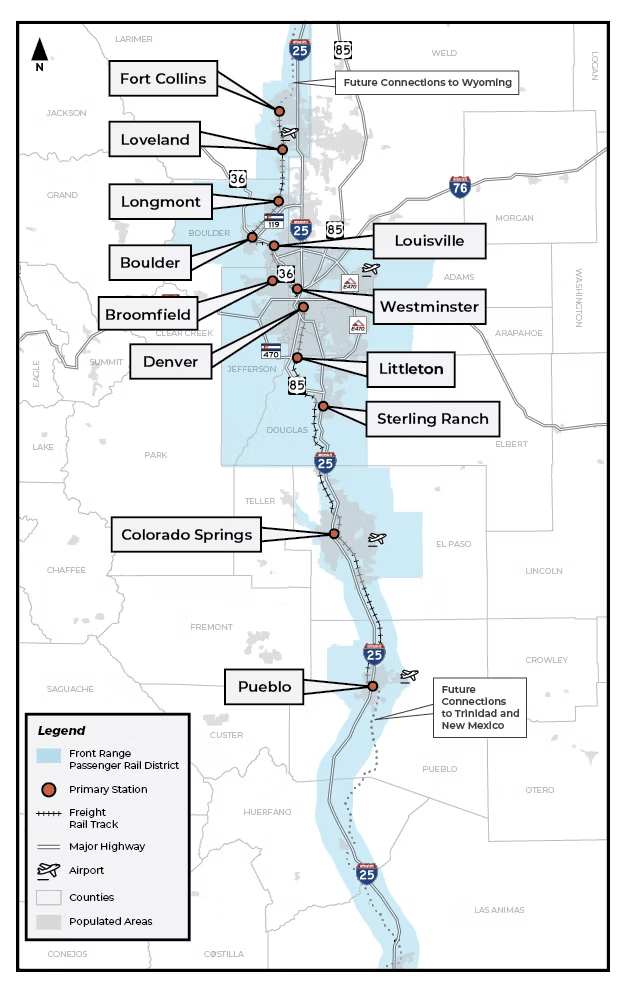
For Boulder, this is bigger than transportation news. It is a lifestyle and access story. Boulder already wins on walkability, bikeability, university energy, and day-to-day quality of life. What it does not always win on is regional rail connectivity. If CoCo eventually gives Boulder a more reliable link north and south along the Front Range, that could make Boulder feel even more viable for people who want Boulder living without being fully car-dependent for every regional trip. That is an inference, but it follows directly from the proposed Boulder stop and the project’s stated goal of connecting Front Range communities.
What it could mean for Boulder real estate
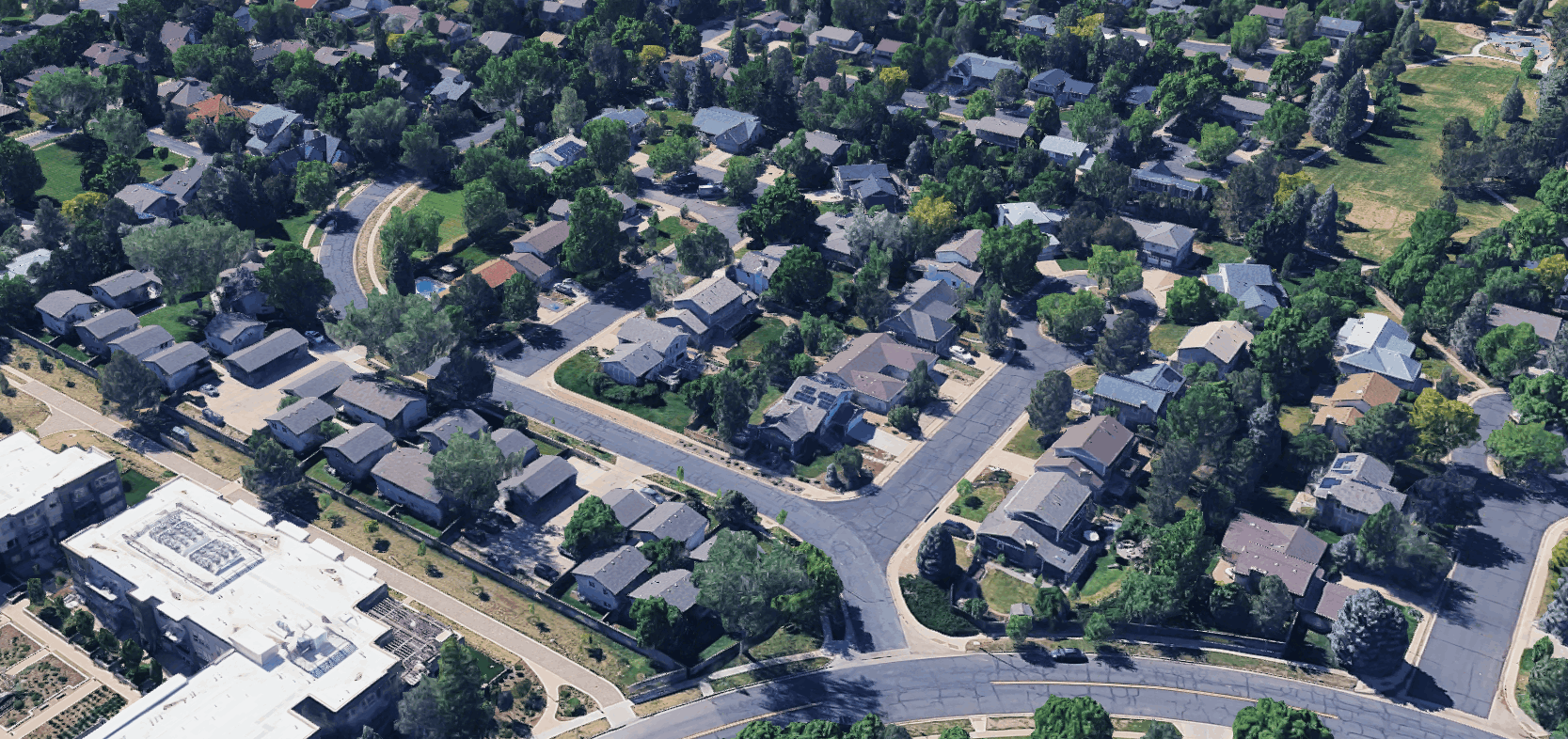
Transit does not change a market overnight, especially when a project is still moving through approvals. But it can shape perception. Boulder is already a premium market because it combines limited supply with a highly specific lifestyle. If regional access improves, that can reinforce demand from buyers who want Boulder as a home base but still care about easier movement across the corridor. That is especially relevant for commuters, hybrid workers, parents with CU ties, and buyers comparing Boulder against Denver, Longmont, or Louisville.
And because Boulder’s land supply is structurally constrained by protected open space and slow growth, infrastructure improvements often matter more here than in places that can simply sprawl outward. The City of Boulder highlights more than 45,000 acres of open space and a long-term planning framework built around managing growth rather than endlessly expanding it.
The real question for buyers and sellers
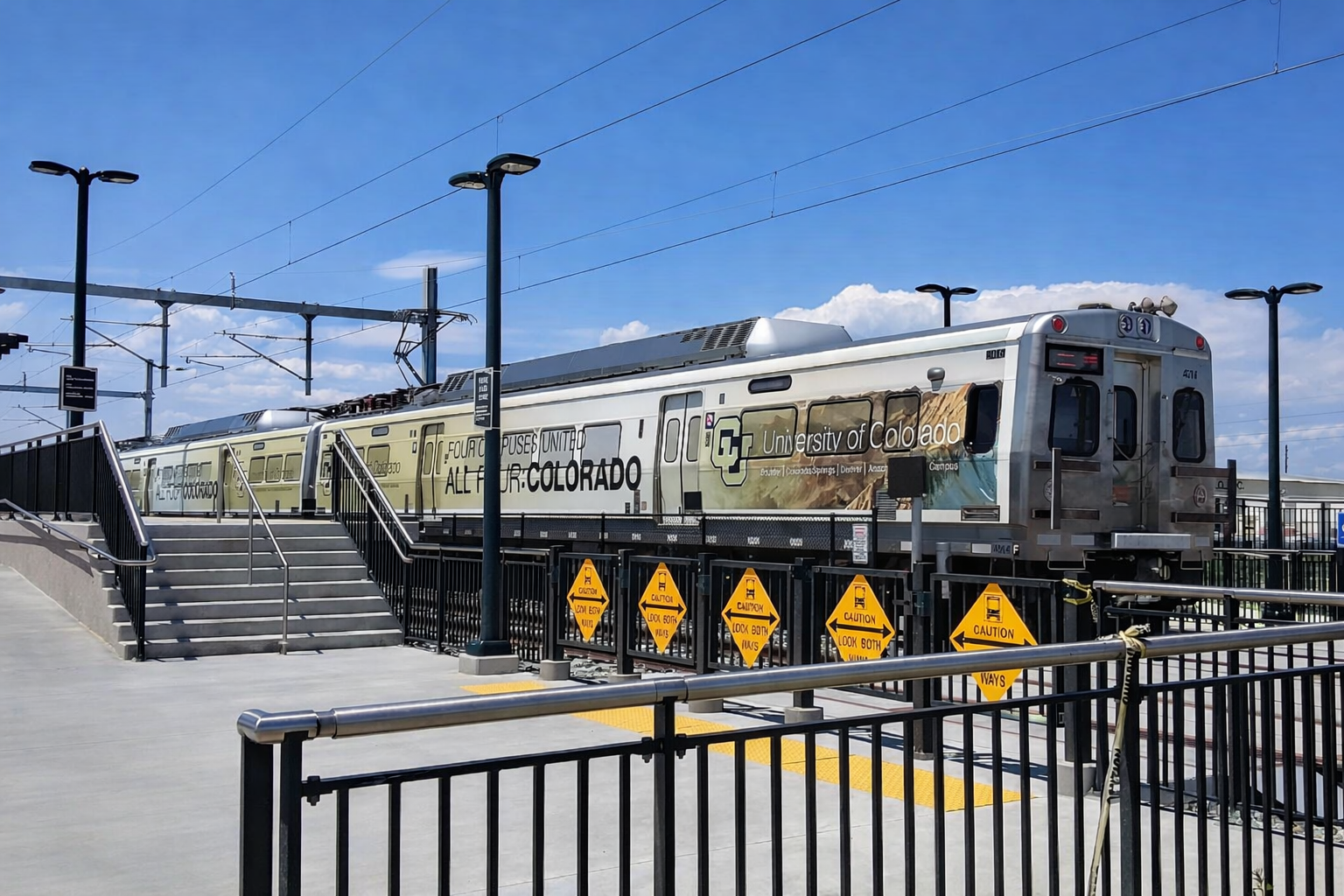
The smartest way to look at CoCo right now is not as a guarantee. It is a signal. The state has a name, a corridor, a rough cost, a proposed stop list, and a target of getting the first train running within the decade. That is enough to make people pay attention, especially in markets like Boulder, where transportation, lifestyle, and scarcity all feed into value.
For buyers, this is one more reason to think beyond today’s commute and look at where Boulder may be headed. For sellers and investors, it is a reminder that even early-stage infrastructure can shape how a market is talked about. And in Boulder, perception often matters earlier than people think.
FROM OUR BLOG


Pearl Street Mall Guide: Where to Eat, Shop, and People-Watch
Pearl Street Mall is one of the easiest places to start understanding Boulder, but there is an important distinction first-time visitors often miss: the pedestrian mall itself is only four blocks, from 11th Street to 15th Street. Downtown shopping and dining continue east and west well beyond those

Boulder Without a Car: Walkable, Bikeable, and Transit-Friendly Things to Do
If you are considering Boulder without a car, the useful question is not simply, “Is Boulder walkable?” It is whether the places you actually use can be connected comfortably by walking, biking, and transit from a specific address. Boulder gives car-free and car-light residents more infrastructure t

Best Places to Stay in Boulder by Travel Style
Choosing where to stay in Boulder is less about finding one universally “best” hotel and more about matching your lodging to what you actually plan to do. A downtown stay makes it easier to walk to Pearl Street restaurants and shops. A cottage at Chautauqua puts hiking outside your door. A suite wit