
Yes, in many cases, you can sell a house during probate. The bigger question is usually not whether the home can be sold, but who has the authority to sell it, when that authority starts, and how the timing fits the Boulder real estate market.
For Boulder families, this matters because probate real estate is rarely just about paperwork. It is often tied to a home with real emotional weight: a Mapleton Hill classic, a Table Mesa ranch, a North Boulder townhome, or a longtime family property near Chautauqua. And when you are trying to balance grief, logistics, and market timing, clarity matters. Under Colorado’s probate guidance, probate is generally required when the deceased owned real estate in their name alone, and a personal representative is appointed to administer the estate.
The short answer: a probate home can often be sold once authority is in place
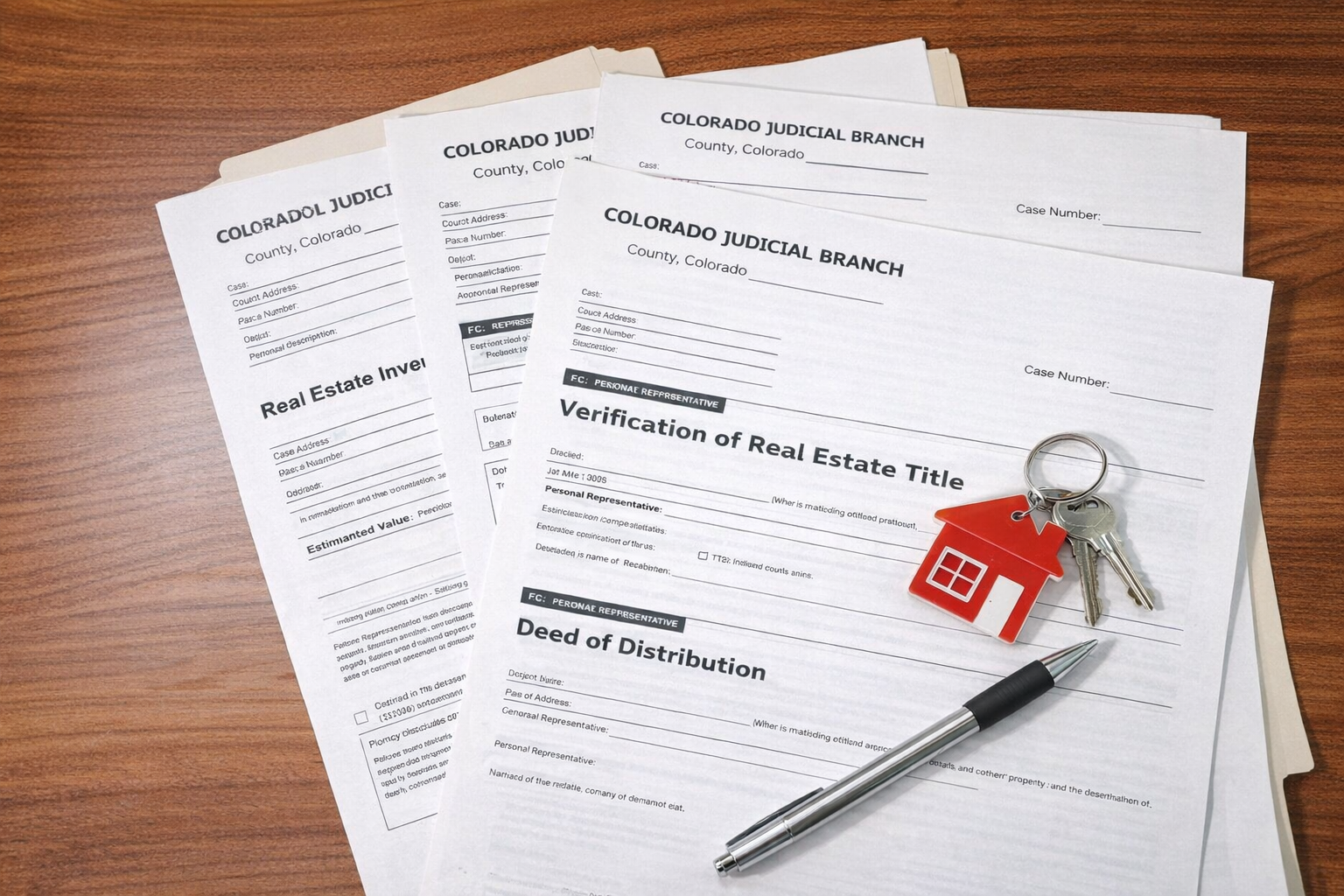
Generally speaking, a home can be sold during probate after the estate has been opened and the person with legal authority has been appointed. Colorado Judicial Branch instructions say probate paperwork can be filed 120 hours after death, and once the court or registrar appoints the personal representative, the court issues “Letters” that serve as proof of authority to act on behalf of the estate.
That does not always mean a sale happens instantly. Some estates are straightforward and informal. Others are formal, contested, or slower-moving. But the main point is this: a probate home is not automatically frozen forever. With the right authority and the right plan, selling a home in probate is often very doable.
Who actually sells the home?
Usually, the person with authority is the personal representative. Colorado’s probate instructions define the personal representative as the person appointed to administer the estate, formerly called the executor. The same instructions say the personal representative is responsible for collecting assets, valuing them, paying claims, and distributing what remains according to law.
That distinction matters because families often assume the closest relative can simply sign and move forward. In reality, that is not always how it works. A sibling, adult child, or heir may be deeply involved in decisions, but legal signing authority usually follows the formal appointment, not family consensus. It is best to consult a probate attorney for specifics if there is disagreement, a missing will, or questions about title.
Informal probate vs. formal probate
Colorado allows estates to start informally or formally. Informal probate can allow a registrar to appoint a personal representative without prior notice to interested persons if the nominee has priority. Formal probate involves notice and the opportunity for objections, and it generally takes more court involvement. The Colorado Judicial Branch also notes that formal probate takes more time and paperwork because the court reviews what is being requested and gives final approval.
That difference can affect how quickly a probate property hits the market.
What probate timing means in Boulder
In Boulder real estate, timing still matters. Redfin’s current market page says Boulder is somewhat competitive, with a median sale price around $807,000 and homes selling in roughly 50 to 60 days, depending on the measure used on the page. That is not a market where you want unnecessary delays, unclear authority, or weeks of indecision once the home is ready.
For probate sellers, that means the best move is often to start early on the pieces you can control: title review, property condition, clean-out planning, pricing strategy, and whether light prep makes sense. If the home is dated but well located, buyers in Boulder may still see real opportunity. If it is turnkey in a strong lifestyle location, presentation can make an even bigger difference.
Tips for selling a probate property in Boulder
A probate sale tends to go more smoothly when everyone understands the sequence:
1. Confirm legal authority first
Before pricing, staging, or listing, make sure the right person has the right authority in writing. Colorado’s probate instructions specifically say the Letters are evidence of appointment and proof of authority to act for the estate.
2. Get realistic about the condition
Many probate homes have deferred maintenance. That is normal. The goal is not perfection. The goal is to decide what improves value, what protects the sale, and what is not worth doing.
3. Think about net, not just price
Probate sales often come with carrying costs, deadlines, and coordination challenges. A clean, well-timed sale can sometimes be the stronger outcome than chasing the last dollar and losing momentum.
Final thoughts
If you are wondering whether you can sell a house during probate in Boulder, the answer is usually yes, once the estate is opened and the personal representative has authority to act. From there, the real work becomes strategic: understanding court involvement, preparing the property, and choosing a selling approach that fits both the estate and the Boulder market.
Probate can feel heavy. But the real estate side does not have to feel chaotic. With the right legal guidance and a local Boulder real estate plan, the process can become much more manageable.
FROM OUR BLOG


Boulder Rental License Requirements 2026: Fees, Inspections & How to Apply
Renting out a home in Boulder involves more than finding a tenant, setting a monthly rent, and signing a lease. Before most residential properties inside Boulder city limits can legally be advertised or rented, the owner must obtain a rental housing license from the City of Boulder. That requirement
Boulder Homeowners Insurance 2026: Wildfire, Hail & What Buyers Need to Know
Buying a home in Boulder involves more than finding the right neighborhood, negotiating a purchase price, and qualifying for a mortgage. There is another important consideration that can affect both the monthly cost of ownership and the ability to complete a purchase: homeowners insurance. In Boulde
Boulder Down Payment Assistance 2026: How First-Time Buyers Can Get Up to $100,000
For many Boulder buyers, the challenge is not simply qualifying for a monthly mortgage payment. It is getting enough cash together for the down payment, closing costs, reserves, and everything else that comes with buying a home in one of Colorado's more expensive housing markets. What many buyers do